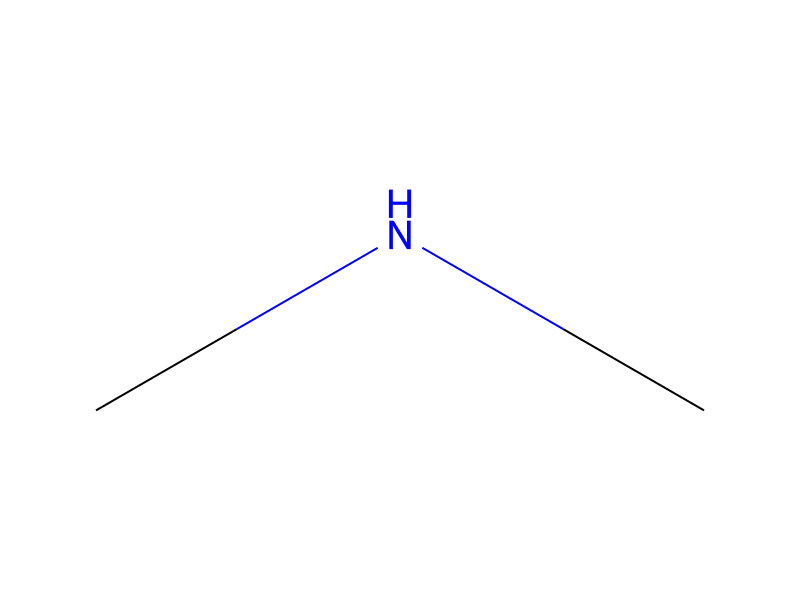
To a solution of 5-bromoindole (3.0 g, 15.3 mmol, 1.0 eq.) in a mixture of acetic acid (8.0 mL) and water (2.0 mL) were added, at 0° C., formaldehyde (1.5 mL, 37% in H2O, 18.4 mmol, 1.2 eq) and dimethylamine (3.0 mL, 40% in H2O, 27.5 mmol, 1.8 eq). The mixture was stirred at room temperature for 4 hours and then, quenched with ice and 5 M aqueous sodium hydroxide. The mixture was extracted with dichloromethane and then, the organic layer was dried over MgSO4 and partially evaporated. To the solution gramine in dichloromethane (50 mL) were added, under an argon atmosphere, anhydrous toluene (100 mL) and methyl iodide (1.49 mL, 24.5 mmol, 1.6 eq.). The mixture was stirred at room temperature for 36 hours and then, the precipitate was filtered and washed with diethyl ether. To the resulting powder were added water (100 mL) and potassium cyanide (2.9 g, 44.5 mmol, 3.0 eq.). The mixture was stirred at reflux temperature for 1 hour and quenched with a saturated aqueous sodium carbonate solution, after cooling to room temperature. The crude product was extracted with ethyl acetate and then, the organic layer was and dried over MgSO4, filtered through a silica gel pad and concentrated under reduced pressure to afford (5-bromo-1H-indol-3-yl)-acetonitrile as a beige solid (2.8 g, 78%).