홈MCP워크벤치Skills
홈워크벤치알림마이페이지
llms.txt · MCP 가이드개인정보처리방침 · 이용약관 · 지원v1.8.3
  1. 홈
  2. /반응

Diisopropylethylamine → 3-(Oxazol-2-yl)-9H-dipyrido[2,3-b;4',3'-d]pyrrole-6-carbonitrile

HRID 1505950
인쇄

반응식

HRID 1505950 반응식
Br[C:2]1[CH:16]=[N:15][C:5]2[NH:6][C:7]3[CH:12]=[N:11][C:10]([C:13]#[N:14])=[CH:9][C:8]=3[C:4]=2[CH:3]=1.[Cl-].[Li+].CCN(C(C)C)C(C)C.C([Sn](CCCC)(CCCC)[C:33]1[O:34][CH:35]=[CH:36][N:37]=1)CCC.[F-].[K+]>CN(C=O)C.C1C=CC([P]([Pd]([P](C2C=CC=CC=2)(C2C=CC=CC=2)C2C=CC=CC=2)([P](C2C=CC=CC=2)(C2C=CC=CC=2)C2C=CC=CC=2)[P](C2C=CC=CC=2)(C2C=CC=CC=2)C2C=CC=CC=2)(C2C=CC=CC=2)C2C=CC=CC=2)=CC=1>[O:34]1[CH:35]=[CH:36][N:37]=[C:33]1[C:2]1[CH:16]=[N:15][C:5]2[NH:6][C:7]3[CH:12]=[N:11][C:10]([C:13]#[N:14])=[CH:9][C:8]=3[C:4]=2[CH:3]=1
참가 물질반응 조건실험 절차후처리출처 및 근거반응 노트

참가 물질

8

반응물 5

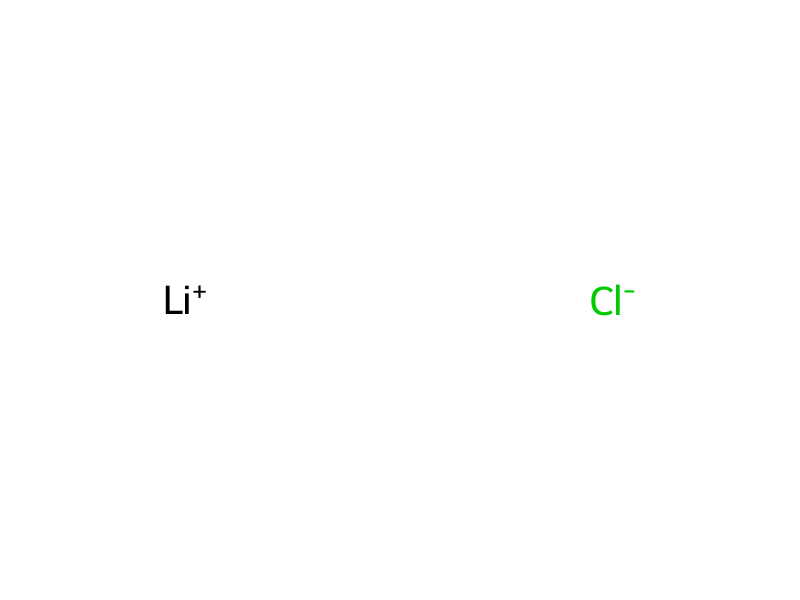
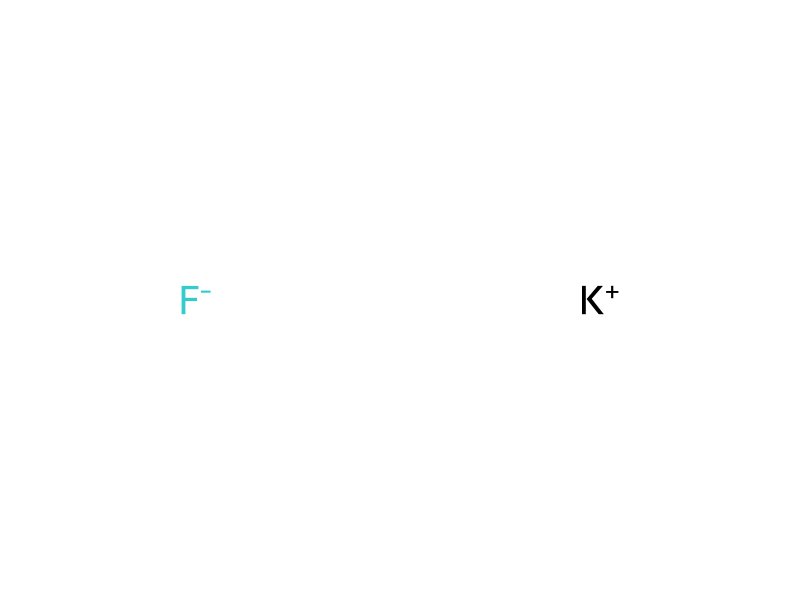
HCID 81531DiisopropylethylamineHCID 433294Lithium ChlorideHCID 522689Potassium FluorideHCID 154861832-(Tri-n-butylstannyl)oxazoleHCID 582667513-bromo-9H-pyrrolo[2,3-b:5,4-c']dipyridine-6-carbonitrile

생성물 1

HCID 582663233-(Oxazol-2-yl)-9H-dipyrido[2,3-b;4',3'-d]pyrrole-6-carbonitrile
수율 45.1%

시약·촉매·용매 2

HCID 178418397HCID 178418397, 화합물촉매HCID 6228Dimethylformamide용매

반응 조건

온도
165 °C

실험 절차

A solution of 3-bromo-9H-dipyrido[2,3-b;4′,3′-d]pyrrole-6-carbonitrile (101 mg, 0.369 mmol) and lithium chloride (46.9 mg, 1.11 mmol) in DMF (0.63 mL) was treated with DIPEA (161 μL, 0.922 mmol) and 2-(tri-n-butylstannyl)oxazole (232 μL, 1.11 mmol), and then degassed by the bubbling of nitrogen for 5 minutes. Tetrakis(triphenylphosphine)palladium(0) (21.3 mg, 18.4 μmol, 5.0 mol %) was added and the mixture heated at 165° C. for 15 hours. The mixture was allowed to cool and treated with saturated aqueous potassium fluoride solution at ambient temperature. The resulting solids were removed by filtration and washed with 20% methanol in DCM and water. The filtrate was filtered through a pad of celite, washing with 20% methanol in DCM. The layers were separated, the aqueous phase extracted into 20% methanol in DCM, and the combined organic phases concentrated in vacuo. The residue was dissolved in AcOH with sonication and heating, filtered hot, and allowed to cool. The resulting suspension was treated with water and then filtered to collect the tan-gray solid, which was redissolved in DMF and purified by preparative HPLC [2-60% MeCN/water modified with 0.1% ammonium hydroxide] to afford a tan solid (43.5 mg, 45%). 1H NMR (400 MHz, DMSO-D6): 9.29 (d, J=2.2 Hz, 1H), 9.26 (d, J=2.2 Hz, 1H), 9.03 (m, 1H), 8.97 (m, 1H), 8.28 (m, 1H), 7.43 (m, 1H). LCMS (Method D): RT=8.29 min, M+H+=262.


후처리

  1. customdegassed by the
  2. custombubbling of nitrogen for 5 minutes
  3. temperatureto cool
  4. customThe resulting solids were removed by filtration
  5. washwashed with 20% methanol in DCM and water
  6. filtrationThe filtrate was filtered through a pad of celite
  7. washwashing with 20% methanol in DCM
  8. customThe layers were separated
  9. extractionthe aqueous phase extracted into 20% methanol in DCM
  10. concentrationthe combined organic phases concentrated in vacuo
  11. dissolutionThe residue was dissolved in AcOH with sonication
  12. temperatureheating
  13. filtrationfiltered hot
  14. temperatureto cool
  15. additionThe resulting suspension was treated with water
  16. filtrationfiltered
  17. customto collect the tan-gray solid, which
  18. dissolutionwas redissolved in DMF
  19. custompurified by preparative HPLC [2-60% MeCN/water modified with 0.1% ammonium hydroxide]

출처 및 근거

ORD 기록
ord-77ec6c53202e4df283142dc574d33f0b
출처 데이터셋
uspto-grants-2015_12
DOI
10.6084/m9.figshare.5104873.v1
특허 번호
US09216980B2

반응 노트

이 페이지에서참가 물질반응 조건실험 절차후처리출처 및 근거반응 노트