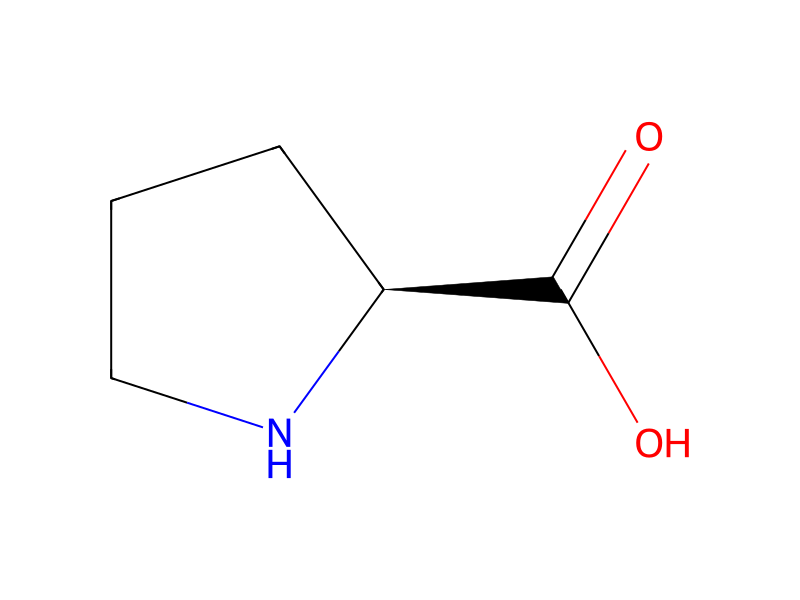
To a suspension of 6-bromo-1-(3-cyclopropoxypropyl)-3,3-dimethylindolin-2-one (360 mg, 1.06 mmol) and K2CO3 (441 mg, 3.19 mmol) in DMSO (2 ml) were added L-proline (49.0 mg, 426 μmol), copper (I) iodide (40.5 mg, 213 μmol) and ammonium hydroxide (373 mg, 414 μl, 2.66 mmol). The tube was sealed and heated to 90° C. for 7 hours. The reaction mixture was poured into TBME (50 ml) and extracted with 1 M HCl. The combined aqueous layers were basified with 2M Na2CO3. The aqueous phase was extracted two times with TBME. The combined organic layers were dried over Na2SO4 and concentrated in vacuo. The title compound was obtained as brown viscous oil (228 mg).