홈MCP워크벤치Skills
홈워크벤치알림마이페이지
llms.txt · MCP 가이드개인정보처리방침 · 이용약관 · 지원v1.8.3
  1. 홈
  2. /반응

Potassium Carbonate → N-Phenyl-4-(9-phenyl-9H-carbazol-3-yl)aniline

HRID 1509629
인쇄

반응식

HRID 1509629 반응식
[CH:1]1[CH:6]=[CH:5][C:4]([NH:7][C:8]2[CH:13]=[CH:12][C:11](Br)=[CH:10][CH:9]=2)=[CH:3][CH:2]=1.[C:15]1([N:21]2[C:33]3[CH:32]=[CH:31][C:30](B(O)O)=[CH:29][C:28]=3[C:27]3[C:22]2=[CH:23][CH:24]=[CH:25][CH:26]=3)[CH:20]=[CH:19][CH:18]=[CH:17][CH:16]=1.C1(C)C=CC=CC=1P(C1C=CC=CC=1C)C1C=CC=CC=1C.C(=O)([O-])[O-].[K+].[K+]>C([O-])(=O)C.[Pd+2].C([O-])(=O)C.C(O)C.C1(C)C=CC=CC=1>[CH:1]1[CH:6]=[CH:5][C:4]([NH:7][C:8]2[CH:13]=[CH:12][C:11]([C:30]3[CH:31]=[CH:32][C:33]4[N:21]([C:15]5[CH:20]=[CH:19][CH:18]=[CH:17][CH:16]=5)[C:22]5[C:27]([C:28]=4[CH:29]=3)=[CH:26][CH:25]=[CH:24][CH:23]=5)=[CH:10][CH:9]=2)=[CH:3][CH:2]=1
참가 물질반응 조건실험 절차후처리출처 및 근거반응 노트

참가 물질

8

반응물 4

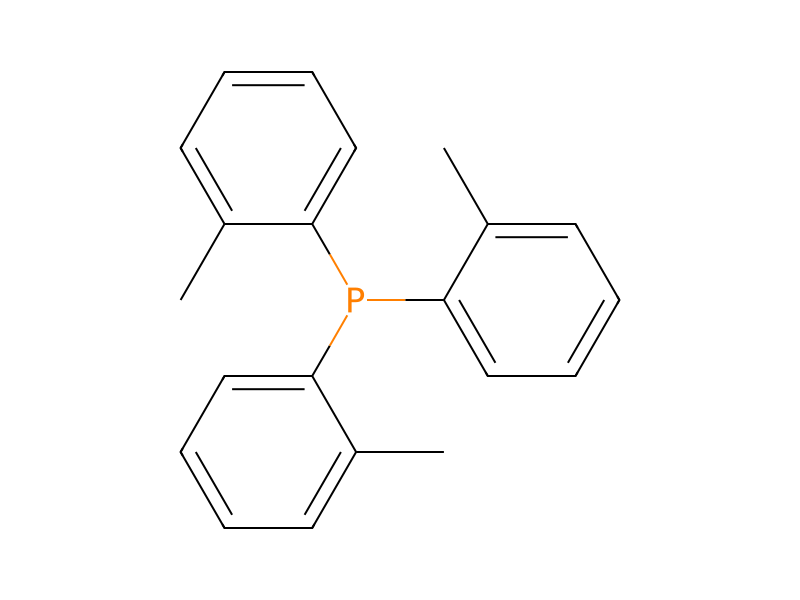
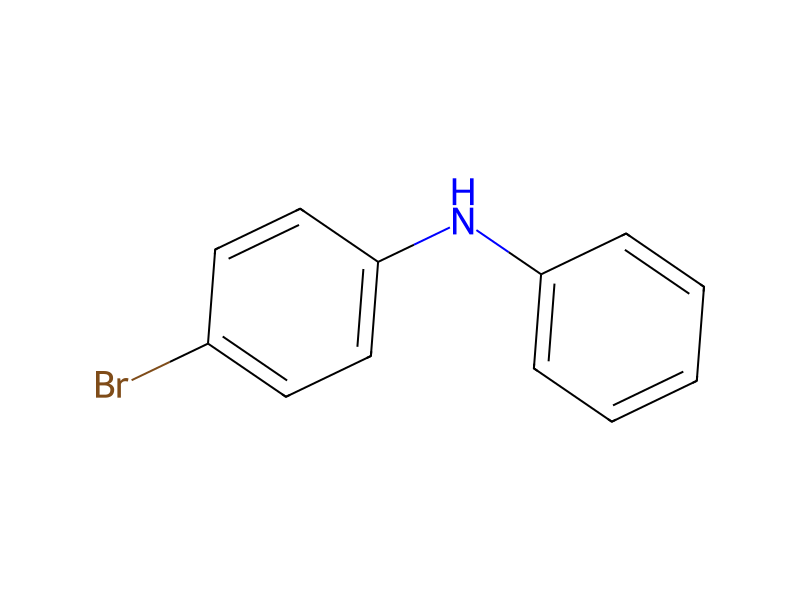
HCID 11430Potassium CarbonateHCID 80271Tri-o-tolylphosphineHCID 64257864-BromodiphenylamineHCID 513584509-Phenyl-9H-carbazole-3-boronic acid

생성물 1

HCID 59827983N-Phenyl-4-(9-phenyl-9H-carbazol-3-yl)aniline수율 45.9%

시약·촉매·용매 3

HCID 167845
palladium(II) acetate
촉매
HCID 702Ethanol용매
HCID 1140Toluene용매

반응 조건

온도
100 °C

실험 절차

Into a 500 mL three-neck flask were put 6.5 g (26 mmol) of 4-bromodiphenylamine, 7.5 g (26 mmol) of 9-phenyl-9H-carbazole-3-boronic acid, and 400 mg (1.3 mmol) of tri(o-tolyl)phosphine. The air in the flask was replaced with nitrogen. To the mixture were added 100 mL of toluene, 50 mL of ethanol, and 14 mL (0.2 mol/L) of an aqueous solution of potassium carbonate. Under reduced pressure, this mixture was degassed while being stirred. After the degassing, 67 mg (30 mmol) of palladium(II) acetate was added to the mixture. This mixture was refluxed at 100° C. for 10 hours. After the reflux, an organic layer of the mixture was separated, an aqueous layer was extracted with toluene, and the extracted solution was combined with the organic layer and then washed with a saturated saline solution. The combined organic layer was dried with magnesium sulfate. After the drying, this mixture was subjected to gravity filtration. The obtained filtrate was condensed to give an oily light brown substance. This oily substance was purified by silica gel column chromatography (a developing solvent was a mixed solvent of hexane:toluene=4:6). A white solid obtained after the purification was recrystallized with a mixed solution of dichloromethane and hexane to give 4.9 g of a white solid, which was the object of the synthesis, in a yield of 45%. A synthesis scheme of Step 2 is shown in (a-2) given below.


후처리

  1. customInto a 500 mL three-neck flask were put
  2. customUnder reduced pressure, this mixture was degassed
  3. customAfter the reflux, an organic layer of the mixture was separated
  4. extractionan aqueous layer was extracted with toluene
  5. washwashed with a saturated saline solution
  6. dry with materialThe combined organic layer was dried with magnesium sulfate
  7. filtrationAfter the drying, this mixture was subjected to gravity filtration
  8. customcondensed
  9. customto give an oily light brown substance
  10. customThis oily substance was purified by silica gel column chromatography (a developing solvent
  11. customA white solid obtained
  12. customafter the purification
  13. customwas recrystallized with a mixed solution of dichloromethane and hexane

출처 및 근거

ORD 기록
ord-d63574cc41ed43b8944bd3c335021ed0
출처 데이터셋
uspto-grants-2015_12
DOI
10.6084/m9.figshare.5104873.v1
특허 번호
US09224960B2

반응 노트

이 페이지에서참가 물질반응 조건실험 절차후처리출처 및 근거반응 노트