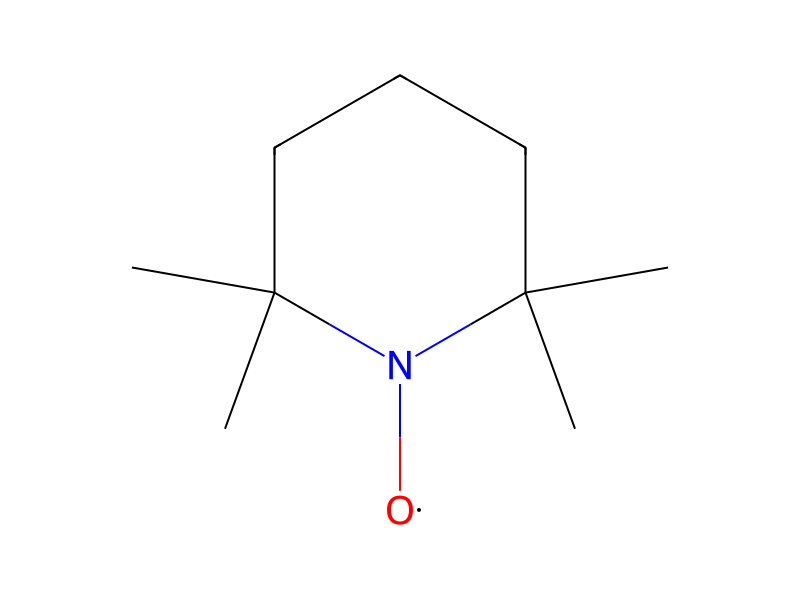
[O:1]1[C:6]2[CH:7]=[CH:8][C:9]([N:11]3[CH2:15][C@@H:14]([CH2:16][OH:17])[O:13][C:12]3=[O:18])=[CH:10][C:5]=2[O:4][CH2:3][CH2:2]1.C(OC[C@H]1OC1)(=[O:23])CCC.C(OC1C(OC(=O)C)=C(I)C=CC=1)(=O)C.CC1(C)N([O])C(C)(C)CCC1.C([O-])([O-])=O.[Na+].[Na+]>CC(=O)OCC.O.CC#N>[O:1]1[C:6]2[CH:7]=[CH:8][C:9]([N:11]3[CH2:15][C@@H:14]([C:16]([OH:23])=[O:17])[O:13][C:12]3=[O:18])=[CH:10][C:5]=2[O:4][CH2:3][CH2:2]1To a solution of (S)-3-(2,3-dihydro-benzo[1,4]dioxin-6-yl)-5-hydroxymethyl-oxazolidin-2-one (enantiomeric antipode of intermediate 1.iii), prepared from (S)-glycidyl butyrate, 985 mg, 3.92 mmol) in 1:1 water/MeCN (20 mL) cooled to 0° C. was added diacetoxyiodobenzene (2.83 g, 2.2 eq) and TEMPO (122 mg, 0.2 eq). The mixture was stirred at 0° C. for 30 min and at rt overnight. EA and sat. Na2CO3 were added and the phases separated. The aq. layer was washed once more with EA and then carefully acidified with 1M aq. HCl. The aq. phase was then extracted 2× with EA. The combined org. layers were washed with brine and dried over MgSO4 and concentrated to afford the desired intermediate as colourless solid (847 mg, 81%).