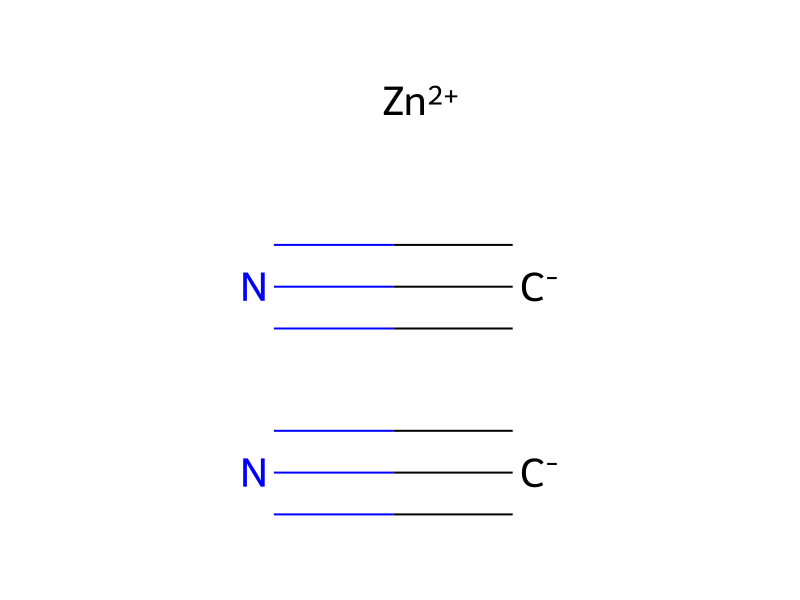
Br[C:2]1[CH:3]=[CH:4][C:5]([F:11])=[C:6]2[C:10]=1[NH:9][CH:8]=[CH:7]2.C(Cl)Cl.[CH3:15][N:16](C=O)C>[C-]#N.[C-]#N.[Zn+2].C1C=CC([P]([Pd]([P](C2C=CC=CC=2)(C2C=CC=CC=2)C2C=CC=CC=2)([P](C2C=CC=CC=2)(C2C=CC=CC=2)C2C=CC=CC=2)[P](C2C=CC=CC=2)(C2C=CC=CC=2)C2C=CC=CC=2)(C2C=CC=CC=2)C2C=CC=CC=2)=CC=1>[F:11][C:5]1[CH:4]=[CH:3][C:2]([C:15]#[N:16])=[C:10]2[C:6]=1[CH:7]=[CH:8][NH:9]2To a solution of 7-bromo-4-fluoro-1H-indole (D40) (20.0 g) in DMF (250 mL) under N2 atmosphere were added Zn(CN)2 (44.0 g) and then Pd(PPh3)4 (20.0 g). The reaction mixture was heated at 120° C. overnight. After cooling, DCM (700 mL) was added to the resulting mixture. The mixture was filtered. Then DCM (1.0 L) and H2O (1.5 L) were added to the filtrate. The organic phase was separated and the aqueous phase was extracted with DCM. The combined organic layers were washed with H2O, dried over anhydrous sodium sulfate and then concentrated. The residue was purified by column chromatography on silical gel to afford 4-fluoro-1H-indole-7-carbonitrile (D41) as a white solid (11.5 g).