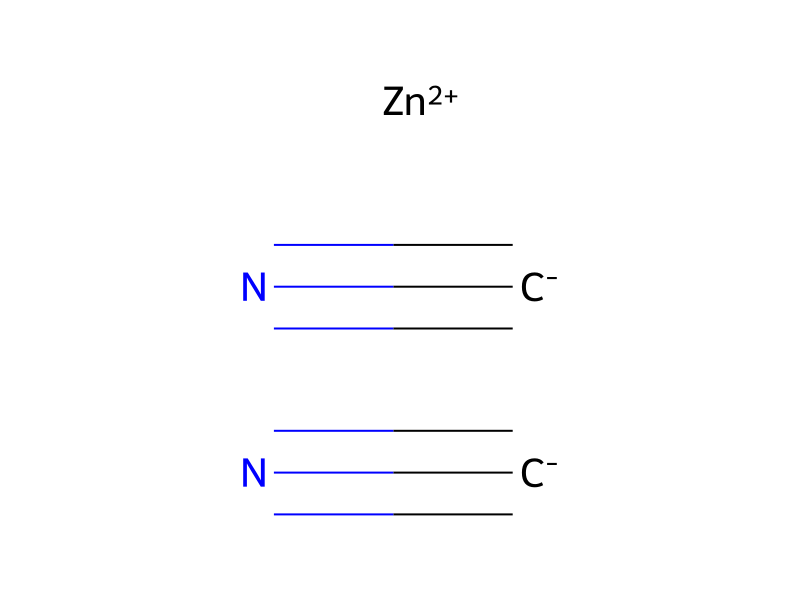
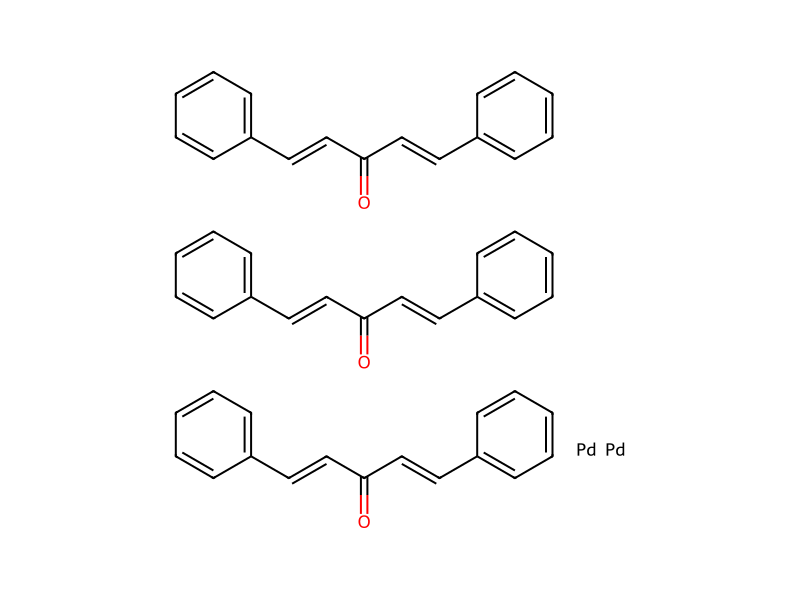
Br[C:2]1[C:7]([CH3:8])=[CH:6][C:5]([Cl:9])=[CH:4][N:3]=1.C[C:11]([N:13](C)C)=O>O.[C-]#N.[Zn+2].[C-]#N.[Pd].[Pd].C(=CC(C=CC1C=CC=CC=1)=O)C1C=CC=CC=1.C(=CC(C=CC1C=CC=CC=1)=O)C1C=CC=CC=1.C(=CC(C=CC1C=CC=CC=1)=O)C1C=CC=CC=1.C1(P(C2C=CC=CC=2)[C-]2C=CC=C2)C=CC=CC=1.[C-]1(P(C2C=CC=CC=2)C2C=CC=CC=2)C=CC=C1.[Fe+2]>[Cl:9][C:5]1[CH:6]=[C:7]([CH3:8])[C:2]([C:11]#[N:13])=[N:3][CH:4]=1A mixture of 2-bromo-5-chloro-3-methylpyridine (45 g, 218 mmol), zinc cyanide (8.30 mL, 131 mmol), tris(dibenzylideneacetone) dipalladium (0) (4.99 g, 5.45 mmol), and 1,1′-bis(diphenylphosphino)ferrocene (6.04 g, 10.90 mmol) in dimethylacetamide (40 mL) was heated to 110° C. for 4 hours. The reaction mixture was cooled to RT, diluted with water and extracted with ethyl acetate. The organic phase obtained was concentrated under reduced pressure and residue purified by chromatography on silica gel using ISCO eluting with 0-60% EtOAc/hex to afford the title compound 5-chloro-3-methylpicolinonitrile (25.4 g, 166 mmol, 76% yield). LC/MS (ESI+) m/z=153.1 (M+H).