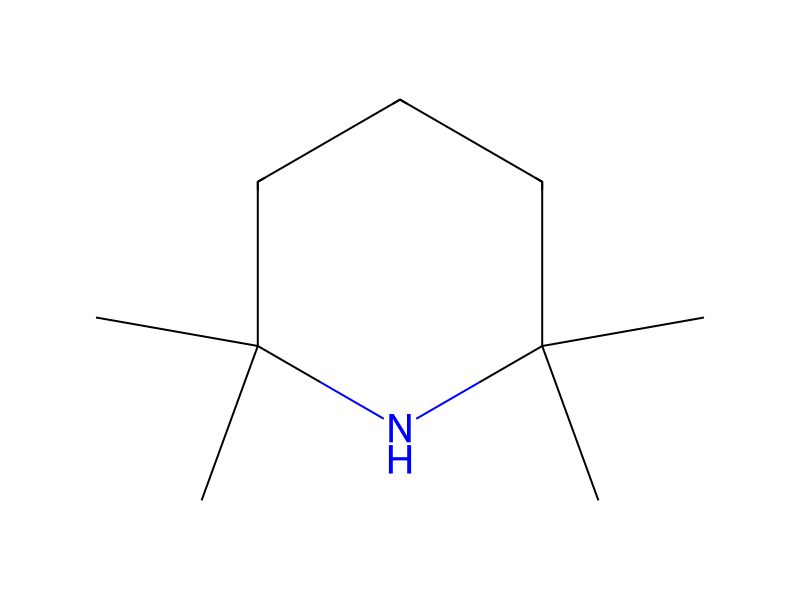
CC1(C)CCCC(C)(C)N1.C([Li])CCC.[CH3:16][O:17][C:18]1[N:19]=[N+:20]([O-:24])[CH:21]=[CH:22][CH:23]=1.[Br:25][C:26]1[CH:31]=[CH:30][C:29]([C@H:32]([C:40]2[CH:45]=[CH:44][CH:43]=[CH:42][C:41]=2[CH3:46])[CH2:33][C:34](N(OC)C)=[O:35])=[CH:28][CH:27]=1.[Cl-].[NH4+]>C1COCC1>[Br:25][C:26]1[CH:27]=[CH:28][C:29]([C@H:32]([C:40]2[CH:45]=[CH:44][CH:43]=[CH:42][C:41]=2[CH3:46])[CH2:33][C:34]([C:21]2[N+:20]([O-:24])=[N:19][C:18]([O:17][CH3:16])=[CH:23][CH:22]=2)=[O:35])=[CH:30][CH:31]=1To a solution of 2,2,6,6-tetramethylpiperidine (4.21 g, 19.8 mmol) in THF (130 mL) was added n-butyllithium solution (1.6 M in hexane 12.4 mL, 19.8 mmol) at −30° C., then the solution was stirred at 0° C. for 45 min. After cooling to −70° C. a solution of 3-methoxy-pyridazine-1-oxide (Chem. Pharm. Bull. 1959, 7, 938; 2.50 g, 19.8 mmol) in THF (13 mL) was added dropwise, then a solution of (R)-3-(4-bromophenyl)-N-methoxy-N-methyl-3-o-tolylpropanamide (example 1, step 5; 1.80 g, 4.95 mmol) in THF (13 mL) was added, maintaining the temperature as close as possible to −70° C. The mixture was stirred for 30 min. Then sat. aq. ammonium chloride solution (30 mL) was added. The reaction mixture was allowed to reach room temperature, then extracted with ethyl acetate. The organic layer was washed with brine, dried over magnesium sulfate, filtered, and evaporated. Chromatography (SiO2; heptane-ethyl acetate gradient) afforded the title compound (2.07 g, 98%). White foam, MS: 427.0 [M+H]+.