반응식

ClC1C=CC(S([N:11]2[CH:16]([C:17]3[CH:22]=C(F)C=C(F)[CH:18]=3)[CH2:15][C:14]3[NH:25][N:26]=[CH:27][C:13]=3[CH2:12]2)(=O)=O)=CC=1.FC1C=C(C2CC(=O)CCN2[C:43]([O:45][CH2:46][C:47]2[CH:52]=[CH:51][CH:50]=[CH:49][CH:48]=2)=[O:44])C=C(F)C=1.ClC1C=CC(C2CC(=O)CCN2C(OCC2C=CC=CC=2)=O)=CC=1.FC1C=C([Mg]Br)C=C(F)C=1.O.NN.N1CCC(=O)CC1>>[CH:17]([CH:16]1[N:11]([C:43]([O:45][CH2:46][C:47]2[CH:52]=[CH:51][CH:50]=[CH:49][CH:48]=2)=[O:44])[CH2:12][C:13]2[CH:27]=[N:26][NH:25][C:14]=2[CH2:15]1)([CH3:18])[CH3:22]참가 물질
7
반응물 6
 HCID 24654Hydrazine hydrate (1:1)
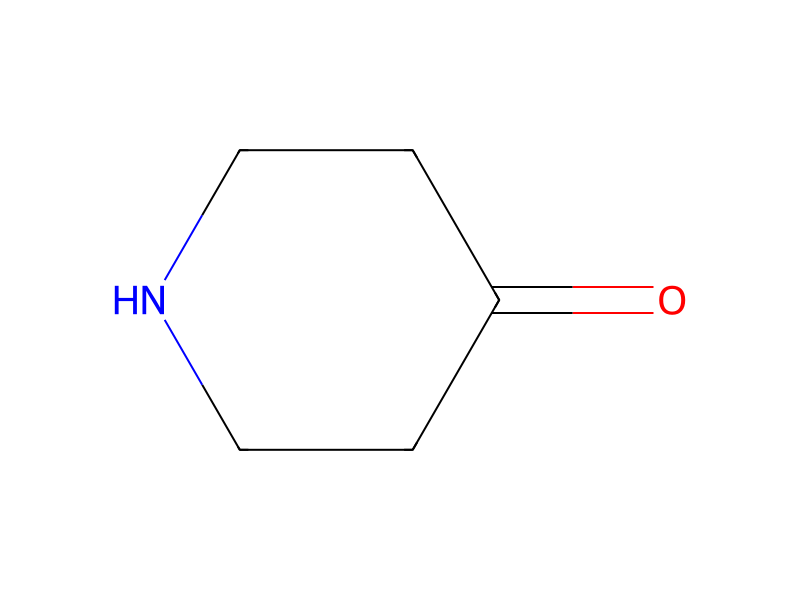 HCID 337214-Piperidone
 HCID 167304785-(4-Chlorophenylsulfonyl)-6-(3,5-difluorophenyl)-4,5,6,7-tetrahydro-1H-pyrazolo[4,3-c]pyridine
 HCID 59342393Benzyl 2-(4-chlorophenyl)-4-oxopiperidine-1-carboxylate
 HCID 68500264Benzyl 2-(3,5-difluorophenyl)-4-oxopiperidine-1-carboxylate
 HCID 178505930HCID 178505930, 화합물
생성물 1

실험 절차
5-(4-Chlorophenylsulfonyl)-6-(3,5-difluorophenyl)-4,5,6,7-tetrahydro-1H-pyrazolo[4,3-c]pyridine (Enantiomers A and B) Benzyl 2-(3,5-difluorophenyl)-4-oxopiperidine-1-carboxylate, prepared as described for compound 67 in Example 3 using 3,5-difluorophenylmagnesium bromide, was formylated and treated with hydrazine hydrate as described for compound 50 in Example 1 to give benzyl 6-isopropyl-6,7-dihydro-1H-pyrazolo[4,3-c]pyridine-5(4H)-carboxylate. This compound was then deprotected and treated with 4-chlorophenylsulfonyl chloride followed by NaOH as described for compound 52 in Example 1. The enantiomers were separated using HPLC Method [2].
출처 및 근거
- ORD 기록
- ord-c8055acfc7bb4d2f972f68876b6a1750
- 출처 데이터셋
- uspto-grants-2010_06
- 특허 번호
- US07732609B2
연결된 노트
불러오는 중…