반응식

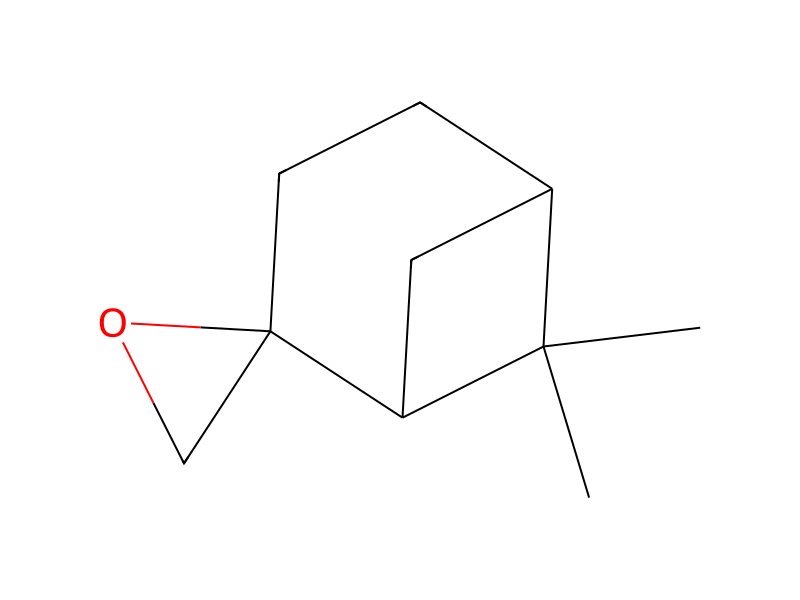
[CH3:1][C:2]1([CH3:11])[CH:7]2[CH2:8][CH:3]1[CH2:4][CH2:5][C:6]12[O:10][CH2:9]1.C(OC(=O)C)(=O)C>C(O)(=O)C>[CH3:11][C:2]([C@@H:3]1[CH2:4][CH:5]=[C:6]([CH2:9][OH:10])[CH2:7][CH2:8]1)=[CH2:1]참가 물질



실험 절차
Among other routes that have been developed to prepare perillyl alcohol from beta pinene oxide is that reported by T. K. Keenan in 1966 who produced perillyl acetate from beta-pinene oxide by refluxing beta-pinene oxide with acetic anhydride and acetic acid for seven hours followed by removal of the acetate to afford a nine percent (9%) yield of perillyl alcohol based on the starting beta-pinene oxide (B.S. Thesis Mass. Institute of Tech.). The applicants found the process to be reproducible albeit in low yield. F. C. Delay in Swiss Patent 5671/84 reported the production of perillyl alcohol in which he treated beta-pinene oxide with nitromethane and ammonium nitrite at a temperature between 20° C. and 90° C. in an overall yield of thirty percent (30%). Two years later Wang and co-workers published in Tetrahedron 1986, 620-638 complete details of this procedure and reported an overall yield of sixty-eight percent (68%) perillyl alcohol.
후처리
- customfollowed by removal of the acetate
출처 및 근거
- ORD 기록
- ord-bfd85e66572b4d889adea2b672358d80
- 출처 데이터셋
- uspto-grants-1999_11
- 특허 번호
- US05994598
연결된 노트
불러오는 중…