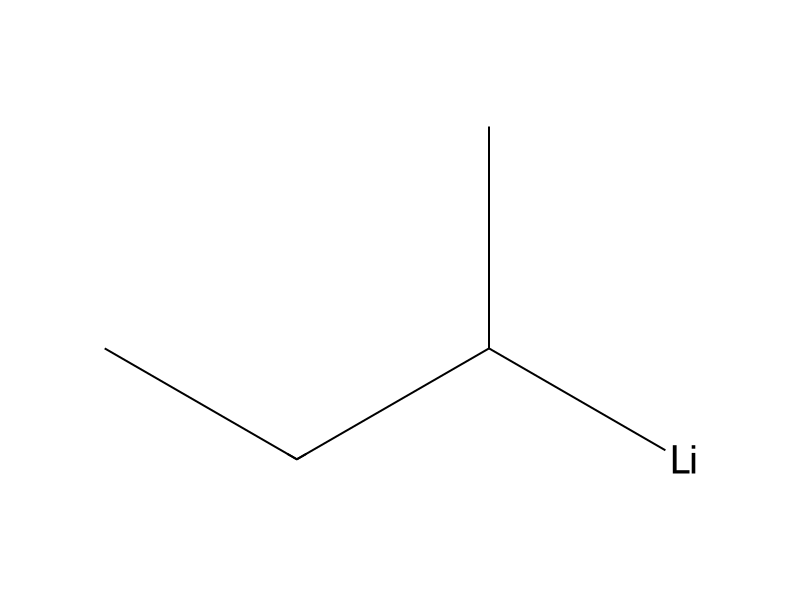
A flask was charged with 4-chloro-1-(triisopropylsilyl)-1H-pyrrolo[2,3-b]pyridine (25.2 g, 82.0 mmol) in THF (400 mL) and cooled to about −78° C. sec-BuLi (1.4 M in cyclohexane, 116 mL, 163 mmol) was added drop-wise over about 15 min. The mixture was stirred at −78° C. for about 1 h. To the mixture was added DMF (18.9 mL, 245 mmol) drop-wise and the temperature was maintained at about −78° C. for about 1 h. The mixture was quenched by the slow addition of a solution of HCl (4.0 M in 1,4-dioxane, 20.4 mL, 82.0 mmol) followed by the addition of saturated aqueous NaHCO3 (100 mL). The mixture was extracted with EtOAc (500 mL). The organic layer was allowed to sit at rt overnight. The precipitate formed was collected by filtration. The filtrate formed more precipitate which was collected by filtration again. The precipitated material from both filtrations was combined to give 4-chloro-1H-pyrrolo[2,3-b]pyridine-5-carbaldehyde (12.9 g, 88%): LC/MS (Table 2, Method a) Rt=1.85 min; MS m/z 181 (M+H)+