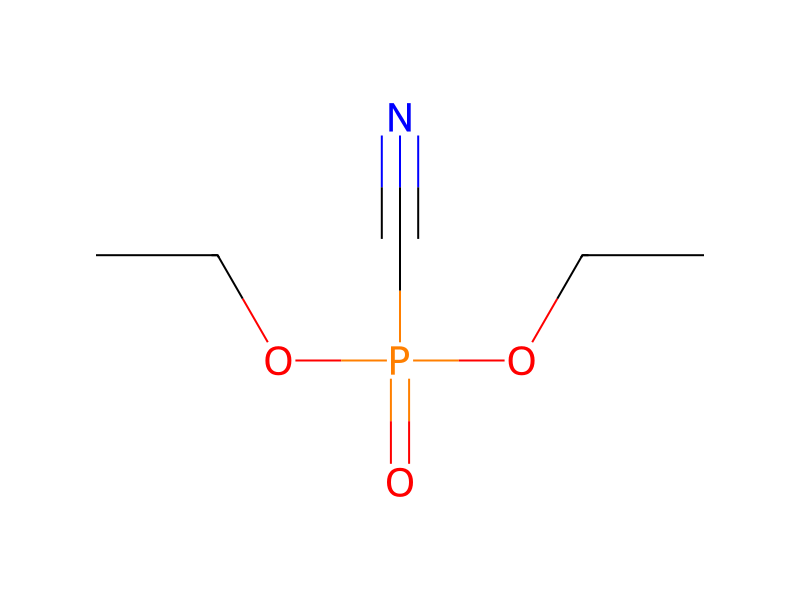
P(C#N)(=O)(OCC)OCC.[CH3:11][O:12][C:13]1[CH:14]=[C:15]2[C:20](=[CH:21][C:22]=1[O:23][CH3:24])[CH2:19][CH2:18][C:17]([C:25]([OH:27])=O)=[CH:16]2.[ClH:28].Cl.[CH3:30][O:31][C:32]1[CH:33]=[C:34]([CH:42]=[C:43]([O:47][CH3:48])[C:44]=1[O:45][CH3:46])[CH2:35][N:36]1[CH2:41][CH2:40][NH:39][CH2:38][CH2:37]1.Cl>C(OCC)(=O)C.O.CN(C)C=O.C(N(CC)CC)C>[ClH:28].[CH3:11][O:12][C:13]1[CH:14]=[C:15]2[C:20](=[CH:21][C:22]=1[O:23][CH3:24])[CH2:19][CH2:18][C:17]([C:25]([N:39]1[CH2:38][CH2:37][N:36]([CH2:35][C:34]3[CH:42]=[C:43]([O:47][CH3:48])[C:44]([O:45][CH3:46])=[C:32]([O:31][CH3:30])[CH:33]=3)[CH2:41][CH2:40]1)=[O:27])=[CH:16]2Diethyl phosphorocyanidate (1 ml) is added dropwise, under ice-cooling, to a mixture of 1,2-dihydro-6,7-dimethoxy-3-naphthoic acid (0.8 g), 1-(3,4,5-trimethoxybenzyl)piperazine dihydrochloride (1 g), triethylamine (0.35 g) and N,N-dimethylformamide (30 ml). The whole mixture is stirred for one hour under ice-cooling and allowed to stand at room temperature for one hour. Water (100 ml) is added to the reaction mixture and the mixture is extracted with ethyl acetate (100 ml). The organic layer is washed with water, dried and concentrated under reduced pressure. The residue is purified silica gel column chromatography (hexane:acetone=1:1-1:2). The oily product thus obtained is treated with hydrogen chloride is ethyl acetate to afford 1-(6,7-dimethoxy-1,2-dihydro-3-naphthoyl)-4-(3,4,5-trimethoxybenzyl)piperazine hydrochloride, which is identical with the product obtained in Example 5. The yield is 0.85 g.