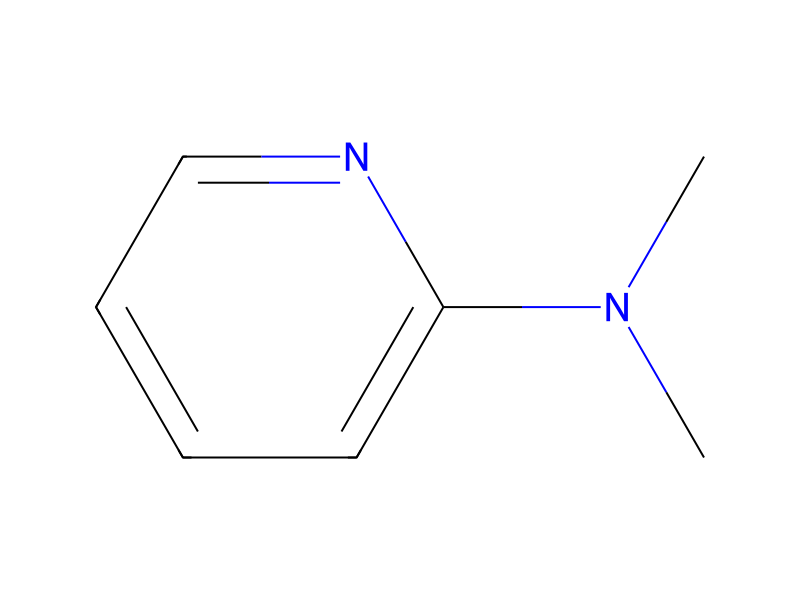
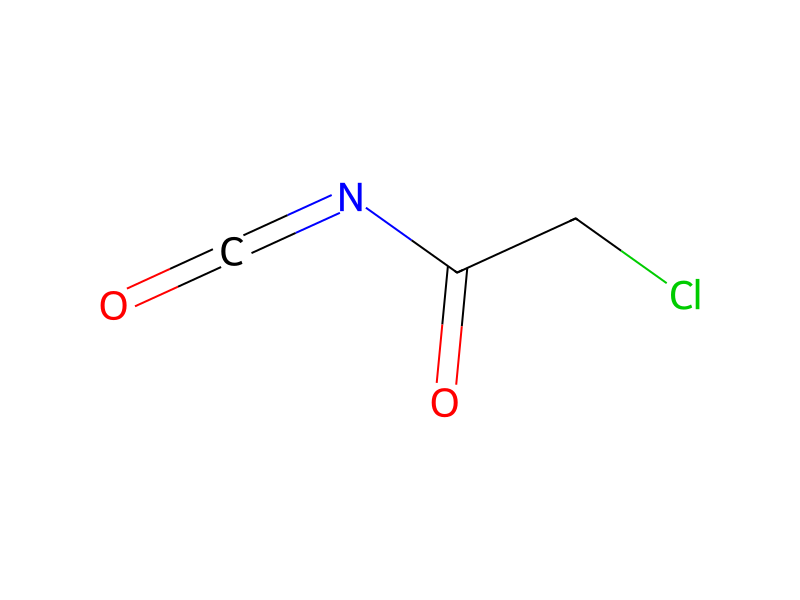
To a solution of fumagillol (314 mg) in dichloromethane (5 ml) was added dropwise, under cooling with ice, chloroacetylisocyanate (160 mg), to which was then added dimethylaminopyridine (130 mg), followed by stirring at 0° C. for two hours. To the reaction mixture was added water, which was subjected to extraction with dichloromethane. The organic layer was washed with a saturated aqueous saline solution, then dried over anhydrous magnesium sulfate. The solvent was distilled off under reduced pressure, and the residue was purified by means of a silica gel column chromatography (carrier 20 g, developing solvent: ethylacetate-hexane=1:2) to afford O-chloroacetylcarbamoyl fumagillol (318 mg: yield 71%) as colorless powder.