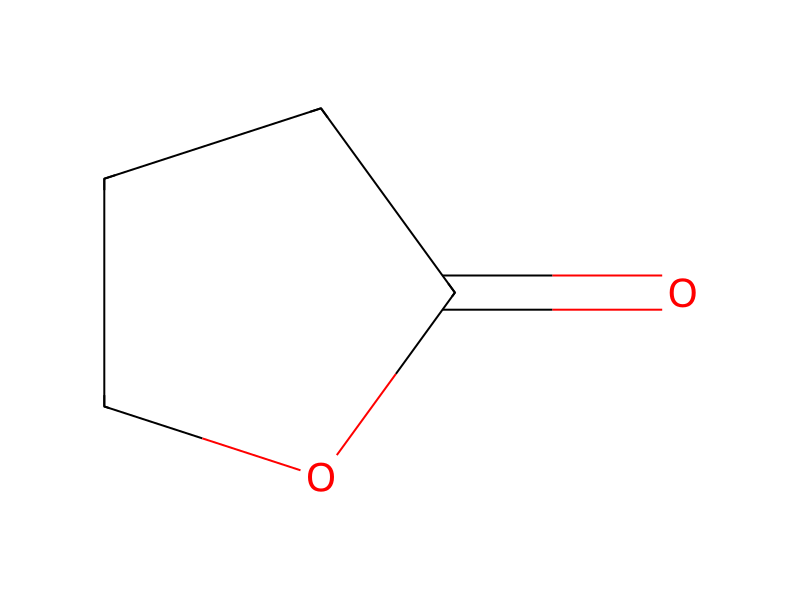
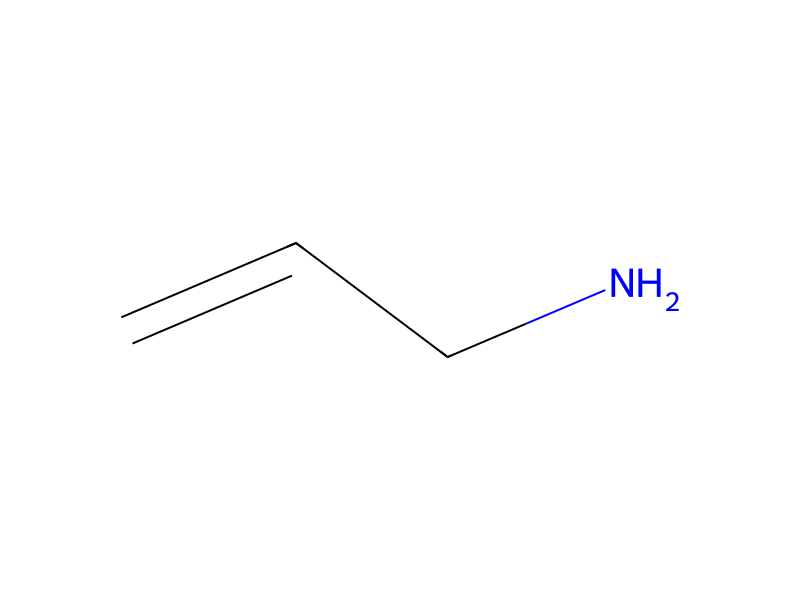
A solution of 9.32 g (0.04 mol) of the allylamine, Compound IV, in 75 mL of dry tetrahydrofuran was cooled to -10° and treated with 40 mL of 1.65 M solution (0.066 mol) of n-butyl lithium. The resulting red solution was stirred at -10° for 15 min and transferred under nitrogen to a solution of 18.4 g (0.21 mol) of γ-butyrolactone in 40 mL of dry tetrahydrofuran at -76° over a period of 5 min. After the addition was complete the reaction mixture was stirred at -70° for 15 min and then quenched with 100 mL of 20% sodium hydroxide solution and stirred at room temperature for 1 hour. At the end of this period the reaction mixture was diluted with 200 mL of dichloromethane and the organic layer was separated. The aqueous layer was extracted with an additional 200 mL portion of dichloromethane. The organic layers were washed with brine, dried (K2CO3) and concentrated under reduced pressure to afford 12.6 g of product (98.8% yield) which contained Compound V and was used for the next step without further purification. A sample prepared in another experiment was purified by HPLC to afford a pure sample of Compound V; NMR (90 MHz, CDCl3): 2.63 (s, 3), 3.45 (br., 3), 3.73 (s, 3), 3.88 (s, 3), 4.3 (d, j=8 Hz, 1), 6.15 (d, J=8 Hz, 1), 6.7-7.2 (br., 3); IR (film): 3440, 2940, 1700, 1630 cm-1.