기본 정보
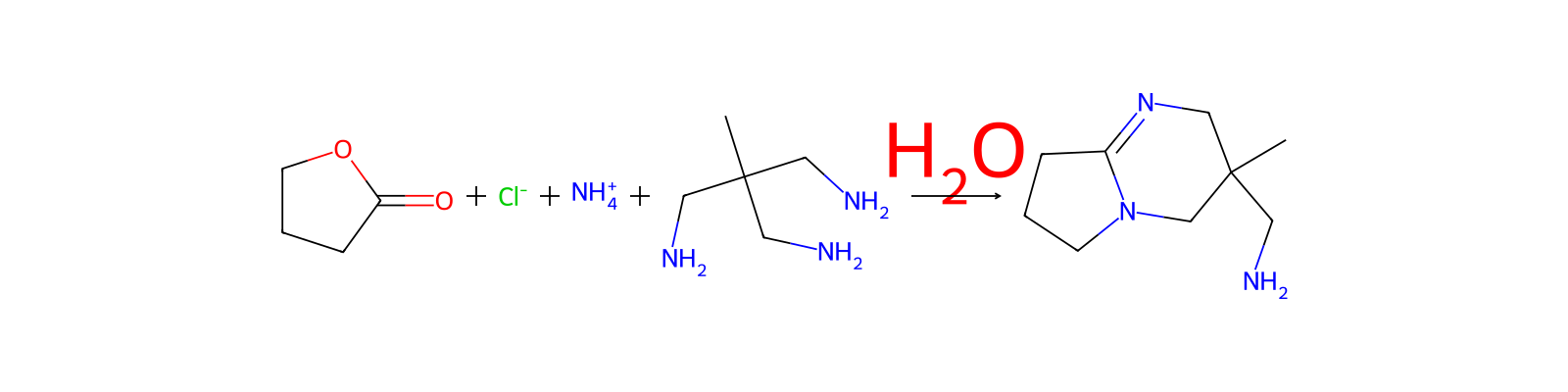
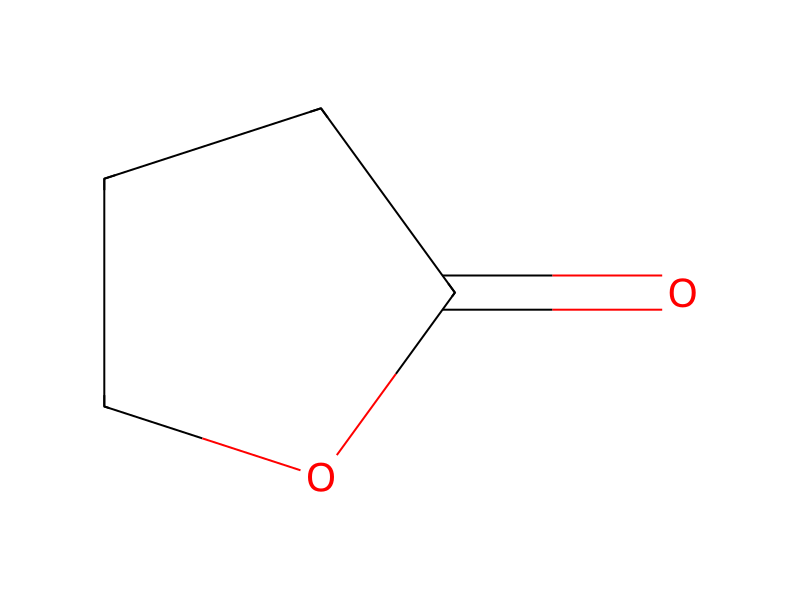
- 표준 SMILES
O=C1CCCO1- InChIKey
YEJRWHAVMIAJKC-UHFFFAOYSA-N- 분자식
- C4H6O2
- 평균 분자량
- 86.09 g/mol
- 단동위원소 질량
- 86.03677943
개요
4-butyrolactone is a clear colorless oily liquid with a pleasant odor. (NTP, 1992)
이름 및 식별자
- 우선 이름
- Gamma-Butyrolactone
- IUPAC
- oxolan-2-one
- 현지명
- 뷰티로락톤
- 영어명
- Gamma Butyrolactone
- 분자식
- C4H6O2
- 분자량
- 86.09
이름 및 동의어
gamma-ButyrolactoneBUTYROLACTONE96-48-0dihydrofuran-2(3H)-one4-Butyrolactone4-Butanolide1,4-Butanolide4-Hydroxybutyric acid lactone2-OxolanoneDihydro-2(3H)-furanoneoxolan-2-oneButyryl lactone
이름 더 보기
γ-부틸올락톤뷰틸로락톤뷰티로락톤감마부티로락톤감마-부티로락톤부티로락톤GBLγ-Butyrolactoneγ-ButyrolactoneG-BUTYROLACTONEY-BUTYROLACTONE1,4-BUTYROLACTONE
Butyrylactone4-Deoxytetronic acid1,2-ButanolideButyric acid lactoneBLONgamma-BL2(3H)-Furanone, dihydro-Tetrahydro-2-furanone
데이터베이스 식별자
- CAS
96-48-0- PubChem CID
- 7302
- DTXSID
DTXSID6020224- ChEMBL
CHEMBL95681- ChEBI
CHEBI:42639- UNII
- OL659KIY4X
- EC Number
- 202-509-5、923-610-7
- Nikkaji
- J3.971C
물성
구조 계산 물성
- XLogP
- -0.6
- 극성 표면적
- 26.3 Ų
- 수소 결합 공여자 수
- 0
- 수소 결합 수용자 수
- 2
- 회전 가능 결합 수
- 0
- 무거운 원자 수
- 6
- 형식 전하
- 0
- 복잡도
- 67.9
실험 및 물리화학적 성질
Chemical ClassesOther Classes -> Lactones
DrugsPharmaceuticals -> Listed in ZINC15
LipidsFatty Acyls [FA] -> Fatty esters [FA07] -> Lactones [FA0704]
CosmeticsSolvent
SpringerMaterials PropertiesBoiling point
FragrancesFragrance Ingredient (4-Hydroxybutanoic acid lactone) -> IFRA transparency List
LogP
log Kow = -0.64
-0.64
-0.64
Odor
Pleasant odor
Faint odor
Food AdditivesFLAVORING AGENT OR ADJUVANT -> FDA Substance added to food
Density
1.1286 at 59 °F (NTP, 1992) - Denser than water; will sink
1.1296 g/cu cm at 20 °C
Density: 1.1441 at 0 °C/0 °C; 1.1286 at 15 °C/0 °C
Relative density (water = 1): 1.13 (20 °C)
1.120-1.130
1.41 @ 0°C
Flavoring AgentsEU Flavoring substances
Viscosity1.75 centipoise at 25 °C
물리화학적 성질
- 녹는점
- -45 °C · -45 °C (lit.)
- 끓는 점
- 204 · 204-205 °C (lit.)
- 밀도
- 1.12 g/mL · 1.12 g/mL at 25 °C (lit.)
- 증기 밀도
- 3 · 3 (vs air)
- 증기압
- 1.5 mm · 1.5 mm Hg ( 20 °C)
- 굴절률
- 20 · n20/D 1.436(lit.)
- FEMA
- 3291 · 3291 | 4-HYDROXYBUTANOIC ACID LACTONE
- 인화점
- 209 °F · 209 °F
- 저장 조건
- 2 · 2-8°C
- 용해도
- 10 mg/ml; · DMF: 10 mg/ml; DMSO: 10 mg/ml; Ethanol: 10 mg/ml; PBS (pH 7.2): 1 mg/ml
- 물리적 상태
- liquid
- 색상
- 무색의
- 수소이온지수(pH)
- 4 · 4-5 (20°C, 100g/L in H2O)
- 냄새
- 100 %에서 · 100.00%에서. 크림 같은 기름진 지방 카라멜
- 냄새 유형
- 크림 같은
- 생물학적 소스
- synthetic
- 폭발한계
- 16 % · 16%
- 수용성
- 혼용 가능
- 비열
- 1.64 J/ · Cp(liquid): 1.64 J/(g·K), at 25℃
- Merck
- 13 · 13,1596
- JECFA Number
- 219 · 219
- BRN
- 105248 · 105248
- Henry's Law Constant
- 1.9 · 1.9×102 mol/(m3Pa) at 25℃, Duchowicz et al. (2020)
- Dielectric constant
- 40.96 · 40.960000000000001
- 안정성
- 안정적인. 흡습성. 강산화제, 강산, 강염기, 강환원제와 호환되지 않습니다.
- 주요 응용
- 청소용품화장품향료 및 향음식 및 음료개인 위생 관리
- 화장품 원료 기능
- 향기향수용제
- InChI
- 1S/C4H6O2/c5-4-2-1-3-6-4/h1-3H2
- InChIKey
- YEJRWHAVMIAJKC-UHFFFAOYSA-N
- SMILES
- O=C1CCCO1
- LogP
- -0.566 at · -0.566 at 25℃
- NIST
- «gamma»-Butyrolactone(96-48-0)
- EPA
- .gamma.-Butyrolactone (96-48-0)
화학적 성질
γ-Butyrolactone is oily, colorless, clear liquid. It has a faint, sweet, aromatic, slightly buttery odor. γ-Butyrolactone is a lactone. It is hydrolyzed under basic conditions, for example in a sodium hydroxide solution into sodium gamma-hydroxybutyrate, the sodium salt of gamma-hydroxybutyric acid. Under acidic conditions it forms an equilibrium mixture of both compounds. These compounds then may go on to form a polymer.
안전 및 규제
GHS 분류
GHS Classification
This chemical does not meet GHS hazard criteria for 0.4% (16 of 3692) of reports.
Danger
H302 (99.6%): Harmful if swallowed [Warning Acute toxicity, oral]
P261, P264, P264+P265, P270, P271, P280, P301+P317, P302+P352, P304+P340, P305+P351+P338, P305+P354+P338, P316, P317, P319, P321, P330, P332+P317, P337+P317, P362+P364, P403+P233, P405, and P501 (click each P-code to see the statement)
Aggregated GHS information provided per 3692 reports by companies from 55 notifications to the ECHA C&L Inventory. Each notification may be associated with multiple companies.
Warning
유해성 정보
Regulatory Information
Chemical: 2(3H)-Furanone, dihydro-
List I Chemical: A chemical specified by regulation that, in addition to legitimate uses, is used in manufacturing a controlled substance in violation of the Act and is important to the manufacture of a controlled substance. (21 eCFR 1310.02)
Regulation (EC) No 1831/2003 (amended)
2(3H)-Furanone, dihydro- is listed on the EPA's Chemical Data Reporting (CDR) system. Manufacturers and importers of 2(3H)-Furanone, dihydro- are required to report information about their production and use of this chemical to the EPA under the Toxic Substances Control Act (TSCA). (40 eCFR Part 711)
Status: Active Update: 23-02-2023 https://echa.europa.eu/registration-dossier/-/registered-dossier/14990
2(3H)-Furanone, dihydro-: Does not have an individual approval but may be used under an appropriate group standard
Fire Hazards
This chemical is combustible. (NTP, 1992)
Combustible. Gives off irritating or toxic fumes (or gases) in a fire. Risk of fire and explosion on contact with incompatible substances. See Chemical Dangers.
Fire PotentialCombustible when exposed to heat or flame ...
Health HazardsSYMPTOMS: Symptoms of exposure to this compound may include irritation of the eyes, skin and mucous membranes.
Hazards SummaryInhalation of butyrolactone produces anesthesia in experimental animals; [HSDB] An eye irritant; Inhalation of high concentrations can cause CNS depression; [ICSC]
FDA Requirements
The following chemicals have been specifically designated by the Administrator of the Drug Enforcement Administration as the listed chemicals subject to the provisions of this part and parts 1309 and 1313 of this chapter. Each chemical has been assigned the DEA Chemical Code Number set forth opposite it. gamma-Butyrolactone (DEA Code Number: 2011) is included on List 1 chemicals.
Reactive GroupEsters, Sulfate Esters, Phosphate Esters, Thiophosphate Esters, and Borate Esters
Special Reports
BG Chemie; Toxicological Evaluation No. 7: gamma-Butyrolactone (96-48-0) p.54 (11/2000). Avaliable from the query page: http://www.bgchemie.de/toxicologicalevaluations as of March 17, 2008
DHHS/NTP; Toxicology & Carcinogenesis Studies of gamma-Butyrolactone in F344/N Rats and B6C3F1 Mice (Gavage Studies) Technical Report Series No. 406 (1992) NIH Publication No. 92-3137
FIFRA Requirements
Residues of gamma-butyrolactone are exempted from the requirement of a tolerance when used as a solvent in accordance with good agricultural practice as inert (or occasionally active) ingredients in pesticide formulations applied to growing crops only.
Reactivity Profile
4-BUTYROLACTONE can react with oxidizing materials, inorganic acids and bases, alcohols and amines. Rapidly hydrolyzed by bases and slowly hydrolyzed by acids. It is volatile with steam. (NTP, 1992). The combination of the lactone, butanol, 2,4-dichlorophenol, and sodium hydroxide in the attempted synthesis of 2,4-dichlorophenoxybutyric acid caused a thermal runaway reaction that eventually exploded, [CISHC Chem. Safety Summ., 1977, 48, 3].
Chemical DangersReacts with acids, bases, alcohols, amines and oxidants. This generates fire and explosion hazard. Decomposes on burning. This produces irritating fumes.
Air and Water ReactionsHygroscopic. Soluble in water.
안전 및 보호
Fire Fighting
Fires involving this material can be controlled with a dry chemical, carbon dioxide or Halon extinguisher. (NTP, 1992)
Use water spray, powder, alcohol-resistant foam, carbon dioxide. In case of fire: keep drums, etc., cool by spraying with water.
First Aid Measures
Fresh air, rest. Seek medical attention if you feel unwell.
Wear protective gloves when administering first aid. Rinse skin with plenty of water or shower.
Rinse with plenty of water for several minutes (remove contact lenses if easily possible). Refer immediately for medical attention.
Rinse mouth. Refer for medical attention .
First Aid
EYES: First check the victim for contact lenses and remove if present. Flush victim's eyes with water or normal saline solution for 20 to 30 minutes while simultaneously calling a hospital or poison control center. Do not put any ointments, oils, or medication in the victim's eyes without specific instructions from a physician. IMMEDIATELY transport the victim after flushing eyes to a hospital even if no symptoms (such as redness or irritation) develop.
Safe StorageStore only in original container. Separated from acids, alcohols, amines, bases and oxidants. Dry. Well closed. Store in an area without drain or sewer access.
Fire Fighting Procedures
Alcohol foam.
To fight fire, use foam, ... carbon dioxide, dry chemical.
Storage Conditions
Butyrolactone can be stored indefinitely. The pure product is noncorrosive and therefore can be stored and transported in carbon steel containers. Butyrolactone becomes slightly yellow on prolonged storage in carbon steel vessels without nitrogen padding. In this case stainless steel containers are recommended. The hygroscopicity of the product requires some precautions. Butyrolactone attacks concrete vigorously.
Separated from acids, alcohols, amines and bases. Dry.
Cleanup Methods
/Lab quantity/. Absorb on paper. Evaporate on a glass or an iron dish in hood. Burn the paper.
Collect leaking liquid in sealable containers. Absorb remaining liquid in sand or inert absorbent and remove to safe place. (Extra personal protection: filter respirator for organic gases and vapors).
Nonfire Spill Response
SMALL SPILLS AND LEAKAGE: If you spill this chemical, FIRST REMOVE ALL SOURCES OF IGNITION. Then, use absorbent paper to pick up all liquid spill material. Seal the absorbent paper, as well as any of your clothing which may be contaminated, in a vapor-tight plastic bag for eventual disposal. Wash any surfaces you may have contaminated with a soap and water solution. Do not reenter the contaminated area until the Safety Officer (or other responsible person) has verified that the area has been properly cleaned.
Disposal Methods
SRP: At the time of review, criteria for land treatment or burial (sanitary landfill) disposal practices are subject to significant revision. Prior to implementing land disposal of waste residue (including waste sludge), consult with environmental regulatory agencies for guidance on acceptable disposal practices.
Spillage Disposal
Personal protection: filter respirator for organic gases and vapours adapted to the airborne concentration of the substance. Do NOT let this chemical enter the environment. Collect leaking liquid in sealable containers. Absorb remaining liquid in sand or inert absorbent. Then store and dispose of according to local regulations.
Preventive Measures
SRP: Contaminated protective clothing should be segregated in such a manner so that there is no direct personal contact by personnel who handle, dispose, or clean the clothing. Quality assurance to ascertain the completeness of the cleaning procedures should be implemented before the decontaminated protective clothing is returned for reuse by the workers. Contaminated clothing should not be taken home at end of shift, but should remain at employee's place of work for cleaning.
Eye PreventionWear safety goggles.
독성 정보
TreatmentIn case of oral exposure, administer a benzodiazepine IV. There is no antidote. Treatment is symptomatic and supportive. (T36)
Health EffectsCNS depression; amnesia and hypotonia. Rarely, hypertension, orthostatic hypotension, apnea, dyskinesias, dystonias, and hypomania occur.
Environmental Fate
TERRESTRIAL FATE: Based on a classification scheme(1), an estimated Koc value of 11(SRC), determined from a log Kow of -0.64(2) and a regression-derived equation(3), indicates that butyrolactone is expected to have very high mobility in soil(SRC). Volatilization of butyrolactone from moist soil surfaces is not expected to be an important fate process(SRC) given an estimated Henry's Law constant of 5.3X10⁻⁸ atm-cu m/mole(SRC), derived from its vapor pressure, 0.45 mm Hg(4), and assigned value for water solubility of 1X10+6 mg/L (miscible)(5). Butyrolactone is not expected to volatilize from dry soil surfaces(SRC) based upon a vapor pressure of 0.45 mm Hg(4). Butyrolactone, present at 100 mg/L, reached 77% of its theoretical biological oxygen demand in 2 weeks using an activated sludge inoculum at 30 mg/L and the Japanese MITI test(6), suggesting that biodegradation in soil is an important environmental fate process(SRC).
AQUATIC FATE: Based on a classification scheme(1), an estimated Koc value of 11(SRC), determined from a log Kow of -0.64(2) and a regression-derived equation(3), indicates that butyrolactone is not expected to adsorb to suspended solids and sediment(SRC). Volatilization from water surfaces is not expected(3) based upon an estimated Henry's Law constant of 5.3X10⁻⁸ atm-cu m/mol(SRC), derived from its vapor pressure, 0.45 mm Hg(4), and assigned value for water solubility of 1X10+6 mg/L (miscible)(5). Hydrolysis in neutral aqueous solutions proceeds slowly at room temperature and more rapidly at acidic conditions and elevated temperatures; under alkaline conditions hydrolysis is rapid and irreversible(6). According to a classification scheme(7), an estimated BCF of 3.2(SRC), from its log Kow of -0.64(2) and a regression-derived equation(8), suggests the potential for bioconcentration in aquatic organisms is low(SRC). Butyrolactone reached 77% of its theoretical biological oxygen demand in 2 weeks using the Japanese MITI test(9), suggesting that biodegradation in water is an important environmental fate process(SRC).
ATMOSPHERIC FATE: According to a model of gas/particle partitioning of semivolatile organic compounds in the atmosphere(1), butyrolactone, which has a vapor pressure of 0.45 mm Hg at 25 °C(2), is expected to exist solely as a vapor in the ambient atmosphere. Vapor-phase butyrolactone is degraded in the atmosphere by reaction with photochemically-produced hydroxyl radicals(SRC); the half-life for this reaction in air is estimated to be 6.9 days(SRC), calculated from its rate constant of 2.3X10⁻¹² cu cm/molecule-sec at 25 °C(SRC) that was derived using a structure estimation method(3). Butyrolactone does not contain chromophores that absorb at wavelengths >290 nm(4) and therefore is not expected to be susceptible to direct photolysis by sunlight(SRC).
Food Survey Values
Using high-flow dynamic headspace isolation and capillary GC/MS analysis, butyrolactone was found in rice cakes at concns ranging from 750 to 1000 ppb(1). Butyrolactone has been identified as a constituent of coffee aroma(2), an odor compound in frankfurters(3), a volatile flavor component of roasted filberts(4), and a volatile component of chickpeas(5). Using a dry method, popcorn contained 22,000 ug/kg of butyrolactone(6). Butyrolactone was detected at a concn of 50 ppb in pureed mango(7) and was qualitatively detected in the tropical fruit rambutan(8). Raw earth almonds have been found to contain 0.4% butyrolactone(9).
Adverse EffectsNeurotoxin - Acute solvent syndrome
Exposure Routes
The substance can be absorbed into the body by inhalation of its vapour, by ingestion and through the skin.
Inhalation (A626) ; oral (A626) ; injection (A626) ; dermal (A626).
Toxicity Summary
Gamma-butyrolactone is rapidly converted to gamma-hydroxybutyrate. This may account for the subsequent central nervous system depressant. Gamma-butyrolactone is an anesthetic that causes a selective increase in brain dopamine by antagonizing transmitter release from nerve terminal. It is also an endogenous brain metabolite that may be derived from glutamate through gamma-aminobutyrate. GBL binds to the picrotoxin receptor (A566, A318).
Average Daily IntakeAnnual consumption is 1866.67 lb. Individual consumption is 0.001581 mg/kg/day.
Signs and Symptoms
Cough. Sore throat. Drowsiness.
MAY BE ABSORBED!
Redness. Pain.
Vomiting. Drowsiness. Laboured breathing. Unconsciousness.
Headache, confusion, ataxia, urinary incontinence or urgency, difficulty breathing, bradycardia, uncontrollable shaking, hallucinations, seizure-like activity (uncontrollable or unusual movements), and acidosis. Hypothermia has been reported in adults and children following exposure (T36).
Ongoing Test Status
The following link will take the user to the National Toxicology Program (NTP) Test Agent Search Results page, which tabulates all of the "Standard Toxicology & Carcinogenesis Studies", "Developmental Studies", and "Genetic Toxicity Studies" performed with this chemical. Clicking on the "Testing Status" link will take the user to the status (i.e., in review, in progress, in preparation, on test, completed, etc.) and results of all the studies that the NTP has done on this chemical. [http://ntp-apps.niehs.nih.gov/ntp_tox/index.cfm?fuseaction=ntpsearch.searchresults&searchterm=96-48-0]
ICSC Environmental DataThe substance is harmful to aquatic organisms.
Soil Adsorption/Mobility
The Koc of butyrolactone is estimated as 11(SRC), using a log Kow of -0.64(1) and a regression-derived equation(2). According to a classification scheme(3), this estimated Koc value suggests that butyrolactone is expected to have very high mobility in soil.
규제 정보
FDA Requirements
The following chemicals have been specifically designated by the Administrator of the Drug Enforcement Administration as the listed chemicals subject to the provisions of this part and parts 1309 and 1313 of this chapter. Each chemical has been assigned the DEA Chemical Code Number set forth opposite it. gamma-Butyrolactone (DEA Code Number: 2011) is included on List 1 chemicals.
FIFRA Requirements
Residues of gamma-butyrolactone are exempted from the requirement of a tolerance when used as a solvent in accordance with good agricultural practice as inert (or occasionally active) ingredients in pesticide formulations applied to growing crops only.
안전 데이터
- wgk
- 1
- tsca
- TSCA listed
- rtecs
- LU3500000
- 독성
- LD50 orally in rats: 17.2 ml/kg (Smyth)
- HS 번호
- 29322980
- risk_code
- 22-36-67-41-20/21/22-11
- hazard_code
- Xn,F
- safety_code
- 26-36-39-36/37-16
- 기존화학 물질
- KE-10674
- 자연 발화 온도
- 851 °F
- Hazard Classifications
- Acute Tox. 4 OralEye Dam. 1STOT SE 3
- 스토리지 클래스
- 10 - Combustible liquids
- 유해 물질 데이터
- 96-48-0(Hazardous Substances Data)
화학 및 산업
약리 정보
Mechanism of Action
Gamma-butyrolactone in animal studies is rapidly converted to gamma hydroxybutyrate. This may account for the subsequent central nervous system depressant. Gamma-butyrolactone is an anesthetic that causes a selective increase in brain dopamine by antagonizing transmitter release from nerve terminal. It is also an endogenous brain metabolite that may be derived from glutamate through gamma-aminobutyrate.
The involvement of intranigral gamma-aminobutyric acid (GABA) receptors in the control of generalized non-convulsive epilepsy was investigated in the rat in 3 models of petit mal epilepsy induced by systemic administration of gamma-butyrolactone, pentylenetetrazol and 4,5,6,7-tetrahydroisoxazolo [5,4-c]pyridin 3-ol (THIP). Bilateral intranigral injection of muscimol (2 ng/0.2 uL/side), a gamma-aminobutyric acid receptor agonist, significantly reduced the duration of EEG-recorded spike-and-wave discharges induced by gamma-butyrolactone (100 and 200 mg/kg ip), pentylenetetrazol (20 mg/kg ip) and THIP (7.5 mg/kg ip). This treatment had no effect on the electroencephalographic discharges observed after injection of THIP (10 mg/kg ip). Bilateral injection of muscimol (2 and 4 ng/side) into the substantia nigra did not modify the latency of onset nor the duration of clonic seizures induced by pentylenetetrazol at the dose of 40 mg/kg ip. Bipolar depth electrode recording indicated that intranigral injection of muscimol did not alter nigral electroencephalographic activity. Autoradiography following intranigral injection of [3H]muscimol indicated a diffusion not exceeding 400 microns from the injection site. These results confirm that activation of gamma-aminobutyric acid receptors in the substantia nigra suppresses the occurrence of spike-and-wave discharges in animal models of generalized non-convulsive epilepsy.
Biological Half-Life
Elimination half-life of 0.3 hours .. /after oral administration of 136 mg/kg bw/
The plasma half-life in rats of gamma-butyrolactone after intravenous administration is less than one minute.
Metabolism/Metabolites
gamma-Butyrolactone undergoes rapid and quantitative conversion by lactonases, yielding gamma-hydroxybutyric acid. Lactonases have been identified in human blood and in the blood and liver of rats, but not in the rat brain, spleen, kidney, heart, diaphragm, lung skeletal muscle or gastrointestinal tract. The enzyme isolated from human plasma had a markedly higher activity than that isolated from rat liver microsomes. Moreover, conversion in human serum had a Km value of 2.7 x 10⁻² M and thus was more efficient than in rat serum (Km value 1.6 x 10⁻² M...). In vitro rat blood studies gave a half-life of less than one minute for the conversion of gamma-butyrolactone to gamma-hydroxybutyric acid. Hydrolysis took place in serum and plasma, hemolyzed erythrocytes being inactive. In rat plasma, hydrolysis was 92% after 15 minutes and 100% after 30 minutes, whereas in hemolyzed erythrocytes it was only 3% after 30 minutes. the percentage hydrolyzed in rat liver homogenate was 87% after 15 minutes and 94% after 60 minutes. In cat blood, hydrolysis of gamma-butyrolactone was slower than in rat blood. Samples of rabbit and guinea pig serum also showed hydrolysis of gamma-butyrolactone (no precise details). The various media were incubated with 1.3 x 10⁻² M gamma-butyrolactone at 37 °C.
... After IV administration to rats it is converted rapidly into gamma-hydroxybutyric acid which causes depression of CNS. It is also rapidly hydrolyzed to gamma-hydroxybutyric acid in blood and liver.
It was observed following oral administration of gamma-butyrolactone that gamma-hydroxybutyric acid can also be formed in the intestinal tract nonenzymatically by hydrolysis.
Four healthy subjects (2 male, 2 female) each drank 1 g gamma-butyrolactone (dissolved in water; 11:00 a.m.). Subsequently, hourly urine samples were collected for 4 hours and analyzed. Increases were observed in the excretion of S-3,4-dihydroxybutyrate, glycolic acid and gamma-hydroxybutyrate. A further metabolite was probably the tautomeric hydroxyepoxide of 4-hydroxy-3-oxobutyrate. According to the investigator, these results suggested that 4-hydroxybutyrate is metabolized by beta-oxidation.
Gamma-Butyrolactone undergoes rapid and quantitative conversion by lactonases, yielding gamma-hydroxybutyric acid (A627).
MeSH Pharmacological ClassificationLiquids that dissolve other substances (solutes), generally solids, without any change in chemical composition, as, water containing sugar. (Grant & Hackh's Chemical Dictionary, 5th ed)
Absorption, Distribution and Excretion
gamma-Butyrolactone appears to be readily absorbed through guinea pig skin. In rat, at least 10% of the applied dose penetrated the skin. Data describing the uptake of gamma-butyrolactone from the gastrointestinal or the respiratory system were not located in the literature. The biological degradation of gamma-butyrolactone in mammals is rapid. It is hydrolyzed to gamma-hydroxybutyric acid in the blood and liver. In rats, gamma-hydroxybutyric acid is excreted as CO2. gamma-Butyrolactone has a weak narcotic effect due to its fast metabolic conversion to gamma-hydroxybutyric acid, which has an effect on the central nervous system. ...
gamma-Butyrolactone ... is ... rapidly hydrolyzed to gamma-hydroxybutyric acid ... In rats, (1-(14)C)- or (4-(14)C)-hydroxybutyrate given by inhalation is excreted as (14)CO2; about 66% of activity was excreted in 6 hr and additional 10-20% within 18 hr.
Male Sprague-Dawley rats (weighing 200 to 250 g, 6 rats/experiment) received a single gamma-butyrolactone dose of 500 mg/kg bw by the oral, ip or iv route. The investigators analyzed the blood and brain for gamma-butyrolactone and gamma-hydroxybutyric acid, the chemical's primary metabolite, for a period of 60 minutes after administration. Blood levels of gamma-butyrolactone after oral administration were below the limit of detection of 18 ug/mL in 3 and 5 out of 6 animals, independently of the time of measurement, whereas the remaining animals had time-independent levels between 22.5 and 82.5 ug/mL. The levels observed for the primary metabolite, gamma-hydroxybutyric acid, reached a peak value of 611 ug/mL at 15 minutes and were still 466 ug/mL at 60 minutes. Following ip and iv administration, there was also very rapid hydrolysis of gamma-butyrolactone to gamma-hydroxybutyric acid. The blood gamma-butyrolactone levels was 63 ug/mL 5 minutes after ip injection, while it was 22.5 ug/mL at 60 minutes; however, only 2 out of 6 animals had levels above the limit of detection at 60 minutes. Upon iv injection, the 5-minute value was 85 ug/mL, whereas gamma-butyrolactone was no longer detectable after 15 minutes. The concentration levels of gamma-hydroxybutyric acid seen after ip dosing dropped from a maximum of 694 ug/mL (5-minute value) 521 ug/mL at 60 minutes, whereas iv injection led to a maximum level of 550 ug/mL (15-minute value) which dropped to 430 ug/mL at 609 minutes. In brain, oral dosing resulted in maximum gamma-butyrolactone levels of 170 ug/g were found after 3 minutes, and time-independent gamma-butyrolactone levels of 14.8 to 29.1 ug/g were detected 15 to 60 minutes after dosing; the concentration of gamma-hydroxybutyric acid reached its peak of 191.6 ug/g after 30 minutes and fell to 129.1 ug/g at 60 minutes (no brain levels were measured after iv administration... .The data permit the conclusion that gamma-butyrolactone is very rapidly and apparently completely absorbed from the gastrointestinal tract and undergoes very rapid metabolism to gamma-hydroxybutyric acid.
... Studies on the absorption of gamma-butyrolactone were carried out in at least 3, usually 4, male Sprague-Dawley rats (weighing 260 to 340 g; no precise details of the number of rats used)/dose and type of treatment. gamma-Butyrolactone (purity not specified) was administered orally by gastric intubation at dose levels of 1.58 and 6.34 mmol (approximately 136 and 546 mg)/kg bw, intracardially at 1.58 mmol or iv at 6.34 mmol/kg bw. Starting immediately after administration, the plasma was analyzed for gamma-butyrolactone over a total period of 3 to 8 hours. The analytical procedure did not distinguish between gamma-butyrolactone and gamma-hydroxybutyric acid, the primary metabolite of gamma-butyrolactone, as earlier studies by the investigators had detected only gamma-hydroxybutyric acid in rat blood after administration of gamma-butyrolactone. When gamma-butyrolactone was given intracardially at 136 mg/kg bw, the plasma levels was 500 ug/mL immediately upon dosing, about 400 ug/mL after 30 minutes and slightly more than 100 ug/mL after 2 hours but then dropped to below 50 ug/mL after 2.5 hours. After oral administration of 136 mg/kg bw, plasma levels reached their peak of approximately 350 ug/mL at 15 to 30 minutes before declining with an elimination half-life of 0.3 hours to approximately 25 ug/mL within 3 hours. Plasma levels after oral administration of gamma-butyrolactone at 546 mg/kg bw remained at > or =1000 ug/mL for approximately 3 hours, as they did after iv administration of the same dose. Four hours after oral dosing, the plasma concentration was about 800 ug/mL, while it was approximately 450 ug/mL after 6 hours and slightly above 100 ug/mL after 8 hours. Subsequent to iv injection, plasma levels dropped somewhat more rapidly, reaching approximately 55 ug/mL after 8 hours (the graphical representation does not permit a more accurate reading). In percutaneous absorption studies, male Sprague-Dawley rats (weighting 275 to 525 g) had undiluted gamma-butyrolactone applied to the mechanically or mechanically and chemically depilated skin at 6.34 mmol (approximately 546 mg)/kg bw for 4 hours. The rate of percutaneous absorption depended on the method employed to pretreat the rat skin. When the skin was only shaved, the plasma concentrations rose slowly, reaching maximum levels of approximately 150 ug/mL after 1.5 to 2 hours; when the skin was shaved an subsequently treated with a commercial depilating agent (a thioglycolic acid-based formulation), the maximum plasma concentration of approximately 175 ug/mL was reached only approximately 10 minutes after gamma-butyrolactone application. Based on the areas under the plasma concentration-time curves (AUC values) it was found that, relative to the value obtained after iv administration, the fractions of dose absorbed were 85 and 98% upon oral administration, and 7 and 11% upon dermal application onto the mechanically or mechanically and chemically depilated skin, respectively.
For more Absorption, Distribution and Excretion (Complete) data for BUTYROLACTONE (7 total), please visit the HSDB record page.
Tissue LocationsAdipose Tissue
Cellular LocationsCytoplasm
용도 및 제조
Uses
Used as a chemical intermediate, nematicide, and paint and nail polish remover; Also used as a solvent for polymers, inks, cosmetics, and drugs; [HSDB]
Plastic Composites Manufacturing [Category: Industry]
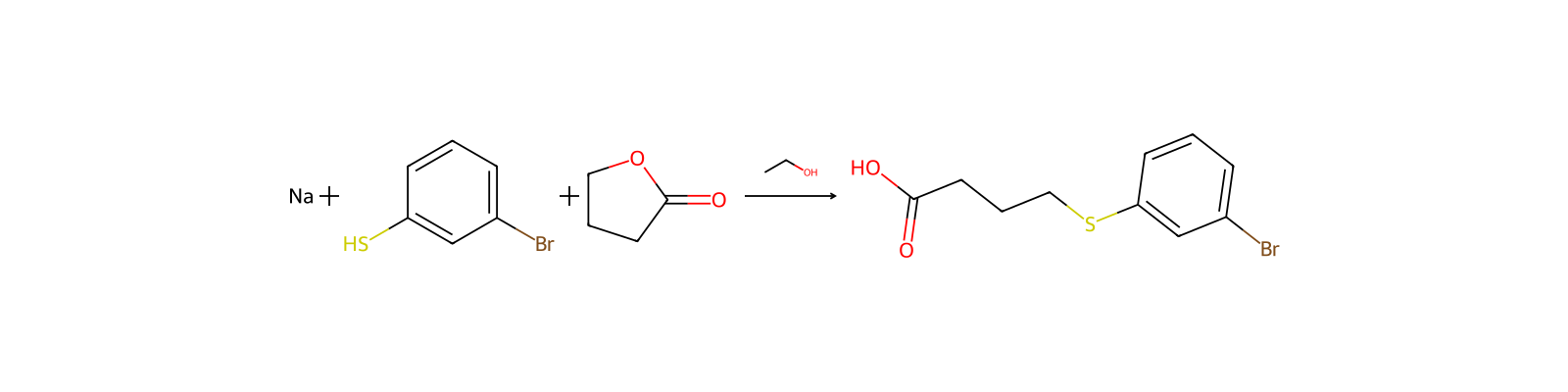
Intermediate in the synthesis of polyvinylpyrrolidone, DL-methionine, piperidine, phenylbutyric acid, thiobutyric acids. Solvent for polyacrylonitrile, cellulose acetate, methyl methacrylate polymers, polystyrene. Constituent of paint removers, textile aids, drilling oils.
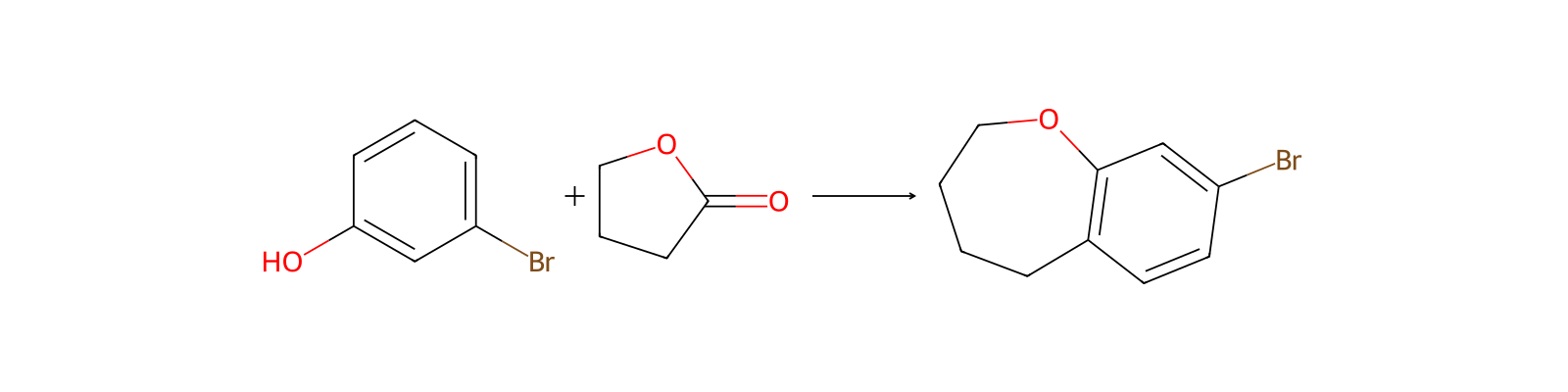
Intermediate in the synthesis of herbicides, growth regulators, alpha-acetobutyrolactone, the rubber additive thiodibutyric acid, as a polymerization catalyst, in hairwave compositions, sun lotions, pharmaceuticals, printing inks, as an extractant in the petroleum industry, as a stabilizer for chlorohydrocarbons and phosphorus-based pesticides, as a nematocide, and as a cosolvent for capacitor electrolytes and photoresists.
In recent years, gamma hydroxybutyric acid (GHB) has emerged as a significant drug of abuse throughout the United States. Abusers of this drug fall into three major groups: (1) users take GHB for its intoxicant or euphoriant effects; (2) bodybuilders who abuse GHB for its alleged utility as an anabolic agent or as a sleep aid; and (3) individuals who use GHB as a weapon for sexual assault. These categories are not mutually exclusive and an abuser may use the drug illicitly to produce several effects. GHB is frequently taken with alcohol or other drugs that heighten its effects and is often found at bars, nightclubs, rave parties, and gyms. ... Gamma butyrolactone (GBL) and 1,4-butanediol are GHB analogues that can be used as substitutes for GHB. When ingested, these analogues are converted to GHB and produce identical effects. GBL is also used in the clandestine production of GHB as an immediate precursor. Both GBL and 1,4-butanediol have been sold at health food stores and on various internet sites. ... Gamma butyrolactone (GBL) was made a /DEA/ List I Chemical in February 2000.
Gamma-butyrolactone is a chemical solvent used in nail polish removers.
ImpuritiesThe main impurities in the Reppe-based process are 1,4-butanediol, butyric acid, and water; in the maleic ester based processes, dimethyl succinate, 4-hydroxybutyl butyl ether, and water.
U.S. Production
2023: 100,000,000 - <250,000,000 lb
2(3H)-Furanone, dihydro- is listed as a High Production Volume (HPV) chemical (65FR81686). Chemicals listed as HPV were produced in or imported into the U.S. in >1 million pounds in 1990 and/or 1994. The HPV list is based on the 1990 Inventory Update Rule. (IUR) (40 CFR part 710 subpart B; 51FR21438).
Production volumes for non-confidential chemicals reported under the Inventory Update Rule. [Table#4904]
Consumer UsesNot Known or Reasonably Ascertainable
Industry UsesSolvent
Methods of Manufacturing
High-pressure synthesis from acetylene and formaldehyde.
Prepd from acetylene and formaldehyde; ... from ethylene chlorohydrin, glutaric acid, gamma-hydroxybutyric acid soln, tetrahydrofuran, or vinylacetic acid ... .
Hydrogenation of maleic anhydride
The Reppe process for manufacturing butyrolactone involves the endothermic dehydrogenation of 1,4-butanediol in the gas phase. ... Preheated 1,4-butanediol vapor is introduced into a hot stream of circulating hydrogen and passed at atmospheric pressure through a bed of copper catalyst at temperatures between 180 and 240 °C. The yield of butyrolactone is approximately 95%. The reaction takes place via gamma-hydroxybutyraldehyde.
For more Methods of Manufacturing (Complete) data for BUTYROLACTONE (6 total), please visit the HSDB record page.
Formulations/Preparations
Electronic-grade butyrolactone is about 99% pure ... .
Grade: technical
Household ProductsInformation on 1 consumer products that contain gamma-Hydroxybutyrolactone in the following categories is provided:
Use Classification
Fragrance Ingredients
Flavouring Agent -> FLAVOURING_AGENT -> JECFA Functional Classes
Flavoring Agents -> JECFA Flavorings Index
Flavouring Agent -> FLAVOURING_AGENT -> JECFA Functional Classes
Cosmetics -> Solvent
DEA Listed Chemicals
Gamma-Butyrolactone (Other names include: GBL; Dihydro-2 (3H)-furanone; 1,2-Butanolide; 1,4-Butanolide; 4-Hydroxybutanoic acid lactone; gamma-hydroxybutyric acid lactone)
A chemical specified by regulation that, in addition to legitimate uses, is used in manufacturing a controlled substance in violation of the Act and is important to the manufacture of a controlled substance. (21 eCFR 1310.02)
General Manufacturing Information
Adhesive Manufacturing
2(3H)-Furanone, dihydro-: ACTIVE
응용 분야
용도GBL는 일반적인 용매 그리고 시약 화학에 있는 뿐 아니라 사용되는 몇몇 젖은 알루미늄 전해질 축전기에 있는 flavouring, 세탁 용제, superglue 제거제, 및 용매로입니다. 인간에서는 그것은 GHB를 위한 프로드러그로 작동하고, 알콜과 유사한 효력을 가진 레크리에이션 취하게 하는 것으로 사용됩니다.
용도물에 용해되는 GBL은 향료로, 세정 용제로, 초 접착제 제거제로, 일부 습식 알루미늄 전해 커패시터에서 용제로 사용되는 것과 마찬가지로 화학 분야의 일반적인 용제 및 시약입니다.
용도(1) GBL을 사용하여 α- 피 롤리 돈, 1- 메틸 -2- 피 롤리 디논, 폴리 비닐 피 롤리 돈 및 α- 아세틸 -γ- 부티로 락톤 등을 제조 할 수있다. (2) GBL은 비타민과 롤리 프린의 중간체로서 시프 로플 록 사신 (ciprofloxacin)과 인터페론 (interferon) 생산에 사용되는 마취 및 진정제로 사용할 수 있습니다. (3) GBL은 식물 성장 자극제와 살충제의 중간체이다. (4) GBL은 좋은 산화 방지제, 가소제, 추출제, 흡착제, 분산제, 정착 제 및 경화제입니다. 또한 배터리, 커패시터 및 컬러 필름 개발에도 사용할 수 있습니다.
개요Dihydro-2(3H)-furanone. An endogenous neuroregulator made from gamma-amino butyrate and the precursor of gamma hydroxybutyrate. It causes selective increase of brain dopamine by inhibiting its release from nerve terminals. The compound has sedative properties at low doses and produces surgical anesthesia at high doses. It is also used as an industrial solvent and precursor.
출처Reported found as a constituent in coffee aroma; a volatile flavor component in roasted filberts as well. Also reported found in tomato, potato, soybeans, beans, vinegar, mushrooms, roasted chicken, beef, cider, beer, wine, scallops and clams.
용도r-butyrolactone is one kind of important fine chemicalintermediate, simultaneously also is one kind of performance fine highboiling point solvent, ideal antioxidant, plasticizer,extracting agent, absorbent, dispersing agent, solid stain, Coagulation Reagent.
일반 설명Clear colorless oily liquid with a pleasant odor.
제조 방법
γ-Butyrolactone is produced by gas phase 1,4-butanediol under the action of Cu catalyst to produce product γ-butyrolactone and by-product hydrogen. Crude γ-Butyrolactone is purified to remove light and heavy components, with a purity of more than 99.5%, as an export product. At the same time, the by-product hydrogen is sent to other hydrogenation processes for recycling after removing CO and CO2 through the methanation process.
상·하류 제품 정보
상류 원료
하류 제품
추가 설명
정의ChEBI: A butan-4-olide that is tetrahydrofuran substituted by an oxo group at position 2.
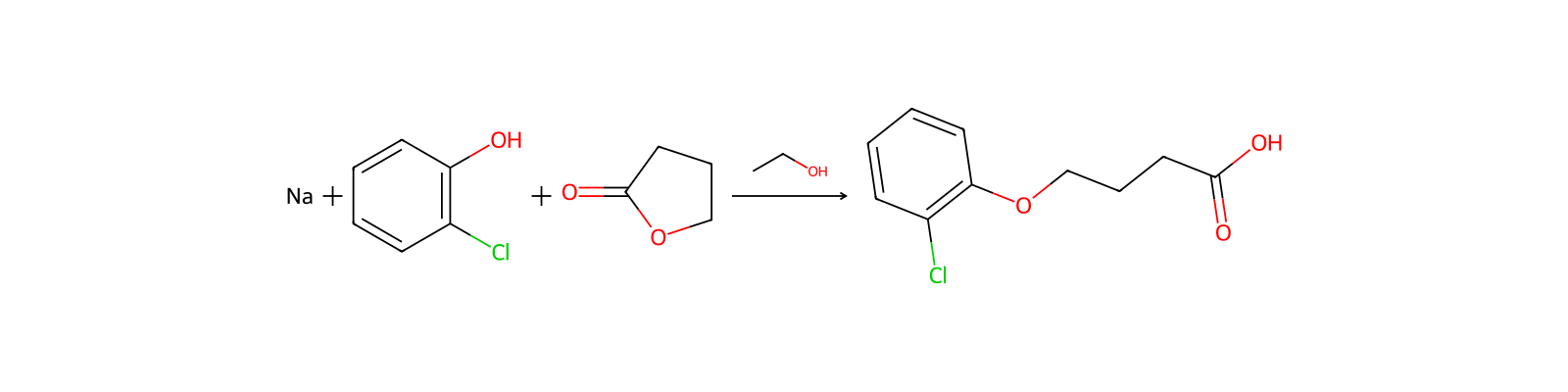
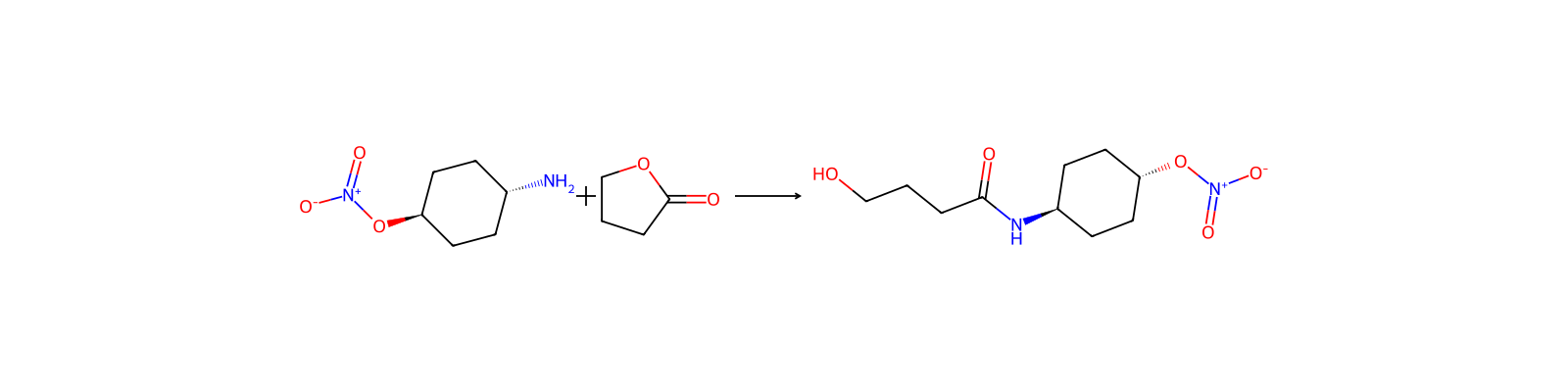
관련 반응
362건

연결된 노트
불러오는 중…