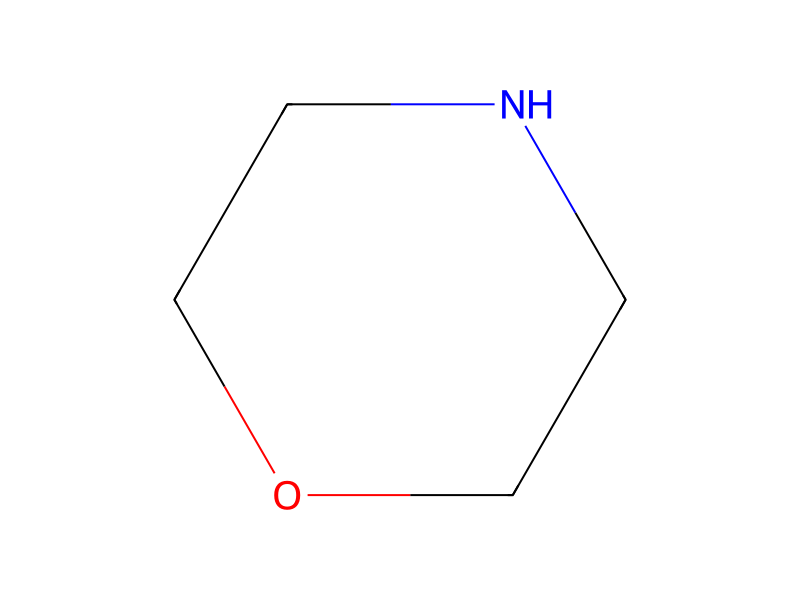
Morpholine → 6-benzyl-2-chloro-4-morpholino-5H-pyrrolo[3,4-d]pyrimidin-7(6H)-one
HRID 1697894
반응식

[CH2:1]([N:8]1[CH2:16][C:15]2[C:14](Cl)=[N:13][C:12]([Cl:18])=[N:11][C:10]=2[C:9]1=[O:19])[C:2]1[CH:7]=[CH:6][CH:5]=[CH:4][CH:3]=1.C(N(CC)C(C)C)(C)C.[NH:29]1[CH2:34][CH2:33][O:32][CH2:31][CH2:30]1>C(O)(C)C>[CH2:1]([N:8]1[CH2:16][C:15]2[C:14]([N:29]3[CH2:34][CH2:33][O:32][CH2:31][CH2:30]3)=[N:13][C:12]([Cl:18])=[N:11][C:10]=2[C:9]1=[O:19])[C:2]1[CH:7]=[CH:6][CH:5]=[CH:4][CH:3]=1참가 물질
5



실험 절차
6-benzyl-2,4-dichloro-5H-pyrrolo[3,4-d]pyrimidin-7(6H)-one (cw) (0.125 g, 0.000425 mol), isopropyl alcohol (2.90 mL), N,N-diisopropylethylamine (0.150 mL, 0.861 mmol) and morpholine (0.0556 mL, 0.638 mmol) were mixed and the mixture was stirred for 30 minutes. The reaction mixture was concentrated. The resulting residue was chromatographed through silica gel (40 g, 0-5% MeOH in dichloromethane) to give the compound cx (0.126 g, 86%).