홈MCP워크벤치Skills
홈워크벤치알림마이페이지
llms.txt · MCP 가이드개인정보처리방침 · 이용약관 · 지원v1.8.1
  1. 홈
  2. /반응

Sulfuric Acid → 1-Benzoylnaphthalene

HRID 1704679
인쇄

반응식

HRID 1704679 반응식
[CH:1]1[C:14]2[C:13](=[O:15])[C:12]3[C:7](=[CH:8][CH:9]=[CH:10][CH:11]=3)[C:6](=O)[C:5]=2[CH:4]=[CH:3][CH:2]=1.[CH:17]([CH:19]=[CH2:20])=O.S(=O)(=O)(O)O.N1CCCCC1>[Cl-].[Al+3].[Cl-].[Cl-].C(O)(=O)C>[C:13]([C:12]1[C:7]2[C:8](=[CH:17][CH:19]=[CH:20][CH:6]=2)[CH:9]=[CH:10][CH:11]=1)(=[O:15])[C:14]1[CH:1]=[CH:2][CH:3]=[CH:4][CH:5]=1
참가 물질실험 절차출처 및 근거반응 노트

참가 물질

7

반응물 4

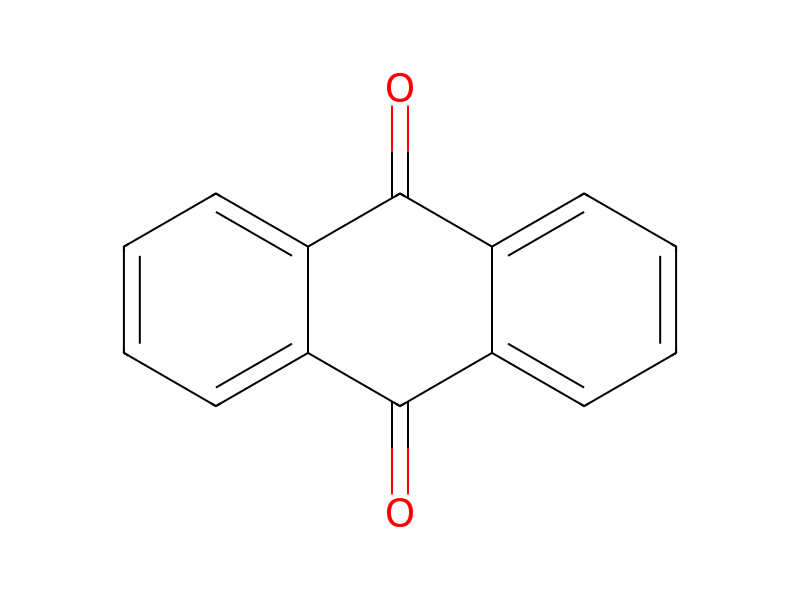
HCID 1118Sulfuric AcidHCID 6780AnthraquinoneHCID 7847AcroleinHCID 8082Piperidine

생성물 1

HCID 695031-Benzoylnaphthalene

시약·촉매·용매 2

HCID 6451240Aluminum(III) Chloride촉매HCID 176
Acetic Acid
용매

실험 절차

It has been known to produce benzanthrone by the following processes. (1) Anthraquinone is dissolved into sulfuric acid and a mixture of metallic powder and glycerin is added to the solution to reduce anthraquinone and simultaneously, the reaction product is further reacted with the compound resulted by dehydration of glycerin in an addition-reaction (B10S 987 and F1AT 1313). (2) Benzanthrone is produced by reacting an anthrahydroquinone ester such as acetate and sulfate which is obtained by reducing and esterifying anthraquinone, with acrolein in the presence of a dehydration catalyst such as sulfuric acid and piperidine in a solvent of acetic acid. (DRP 720,467). (3) Benzanthrone is produced by condensing α-benzoylnaphthalene at higher than 150° C. in the presence of aluminum chloride catalyst or at 120° C. in the presence of iron chloride catalyst. (DRP 239,761).


출처 및 근거

ORD 기록
ord-70eca83c9bc74385950454c22aa2bdc8
출처 데이터셋
uspto-grants-1978_11
DOI
10.6084/m9.figshare.5104873.v1
특허 번호
US04127595

반응 노트

이 페이지에서참가 물질실험 절차출처 및 근거반응 노트