Stannous Chloride → 4-amino-3-(benzyloxy)-N-ethylbenzamide
HRID 1717357
반응식

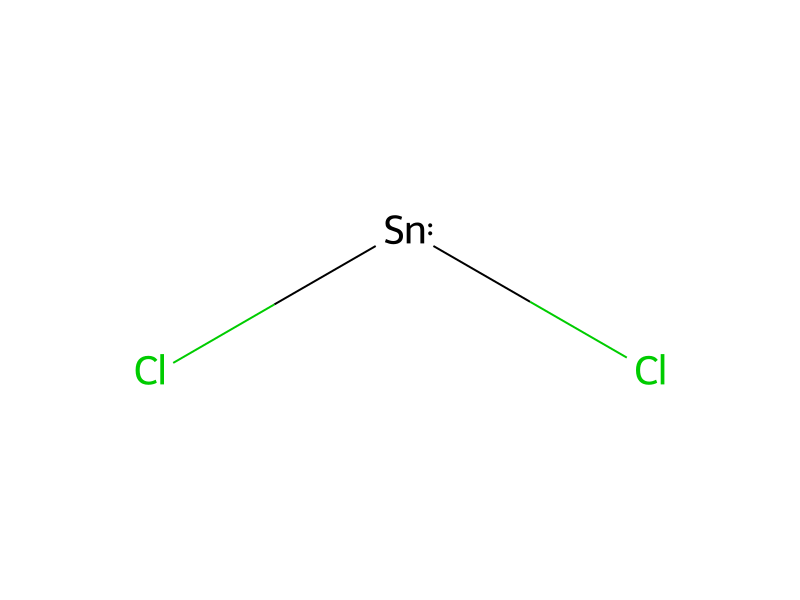
[CH2:1]([NH:3][C:4](=[O:22])[C:5]1[CH:10]=[CH:9][C:8]([N+:11]([O-])=O)=[C:7]([O:14][CH2:15][C:16]2[CH:21]=[CH:20][CH:19]=[CH:18][CH:17]=2)[CH:6]=1)[CH3:2].[Sn](Cl)Cl>C(OCC)(=O)C.CO>[CH2:1]([NH:3][C:4](=[O:22])[C:5]1[CH:10]=[CH:9][C:8]([NH2:11])=[C:7]([O:14][CH2:15][C:16]2[CH:17]=[CH:18][CH:19]=[CH:20][CH:21]=2)[CH:6]=1)[CH3:2]참가 물질
5




실험 절차
N-Ethyl-3-benzyloxy-4-nitrobenzamide (5.40 g, 18.0 mmol) obtained in Example 312b) was dissolved in ethyl acetate (60 ml) and methanol (40 ml), anhydrous tin(II) chloride (17.6 g, 89.9 mmol, 5.0 eq.) was added, and the mixture was stirred at room temperature for 21 hr. The reaction mixture was concentrated, and methanol was evaporated. The residue was diluted with ethyl acetate (200 ml) and mixed with 1.44N sodium hydroxide (150 ml). The obtained suspension was filtered through celite (diameter 60 mm) and washed with ethyl acetate (100 ml). The filtrate and washing were combined, washed sequentially with saturated aqueous sodium hydrogen carbonate solution and saturated brine, dried over anhydrous sodium sulfate and concentrated. The residue was subjected to column chromatography (elution solvent, ethyl acetate-hexane=1:1-2:1) on silica gel (manufactured by E. Merck, Art.7734, 50 g). The fraction obtained by elution with ethyl acetate-hexane (3:2) was concentrated, and diethyl ether was added. The precipitate was collected by filtration, washed with diethyl ether and dried to give the title compound as a white powder (4.27 g, 15.8 mmol, 87.8%).