Pyrrolidine → HCID 86617595, 화합물
반응식

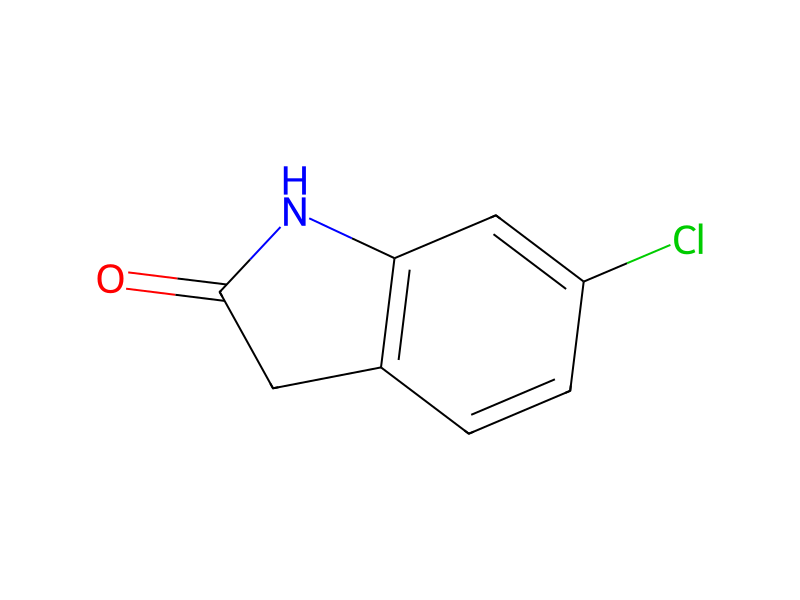
[Cl:1][C:2]1[CH:3]=[CH:4][C:5]([O:10][CH:11]([CH3:13])[CH3:12])=[C:6]([CH:9]=1)[CH:7]=O.[Cl:14][C:15]1[CH:23]=[C:22]2[C:18]([CH2:19][C:20](=[O:24])[NH:21]2)=[CH:17][CH:16]=1.N1CCCC1>CO>[Cl:14][C:15]1[CH:23]=[C:22]2[C:18](/[C:19](=[CH:7]/[C:6]3[CH:9]=[C:2]([Cl:1])[CH:3]=[CH:4][C:5]=3[O:10][CH:11]([CH3:13])[CH3:12])/[C:20](=[O:24])[NH:21]2)=[CH:17][CH:16]=1참가 물질
5




반응 조건
- 온도
- 70 °C