3-Butenoic acid → 3-Butenoic acid 2-(4-phenoxyphenoxy)-ethyl ester
반응식

[O:1]([C:8]1[CH:17]=[CH:16][C:11]([O:12][CH2:13][CH2:14][OH:15])=[CH:10][CH:9]=1)[C:2]1[CH:7]=[CH:6][CH:5]=[CH:4][CH:3]=1.[C:18](O)(=[O:22])[CH2:19][CH:20]=[CH2:21]>ClCCl.N1(C2C=CN=CC=2)CCCC1>[O:1]([C:8]1[CH:17]=[CH:16][C:11]([O:12][CH2:13][CH2:14][O:15][C:18](=[O:22])[CH2:19][CH:20]=[CH2:21])=[CH:10][CH:9]=1)[C:2]1[CH:3]=[CH:4][CH:5]=[CH:6][CH:7]=1참가 물질
5



실험 절차
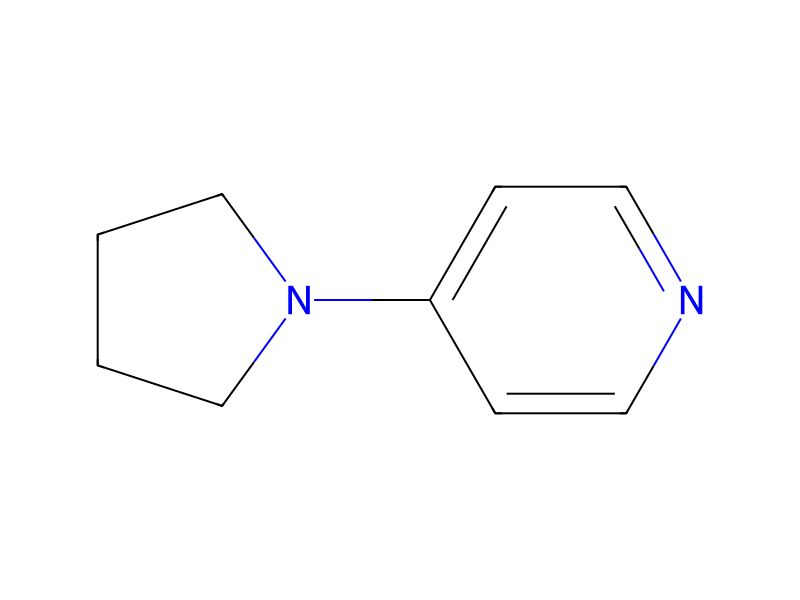
0.05 g of 4-pyrrolidinopyridine and 17.25 g of 2-(4-phenoxyphenoxy)-ethanol are added at room temperature, with stirring, to a solution of 6.45 g of 3-butenoic acid in 100 ml of dichloromethane. At a temperature of 0° C., 17.0 g (82.5 mmol) of N,N-dicyclohexylcarbodiimide are then added in portions, and the reaction mixture is stirred at room temperature for 3 hours. The reaction mixture is filtered. The precipitate which has been separated off is discarded, and the filtrate is washed with water and dried over sodium sulfate. After concentration by evaporation, the oily residue is purified by column chromatography on silica gel with hexane/ethyl acetate (9: 1), yielding 20.0 g of 3-butenoic acid 2-(4-phenoxyphenoxy)-ethyl ester of the formula ##STR12## in the form of a colourless oil having a refractive index of nD23 : 1.5538.