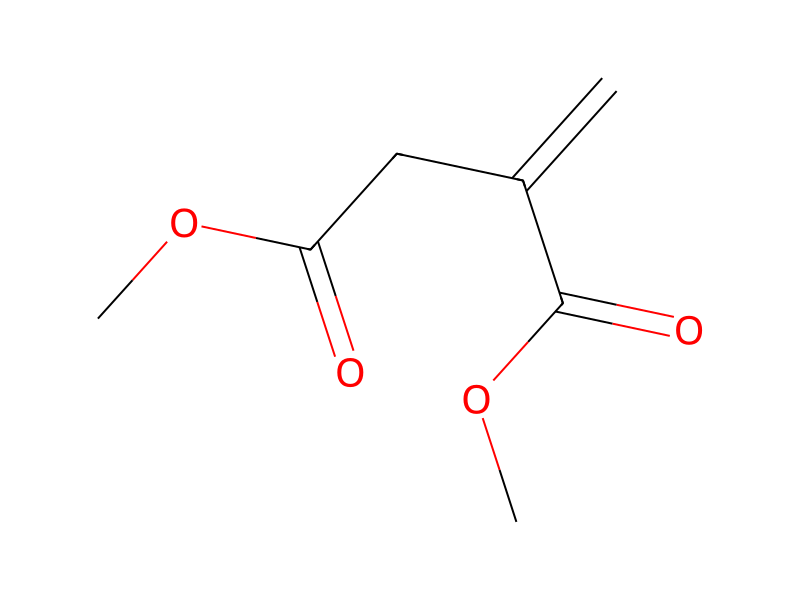
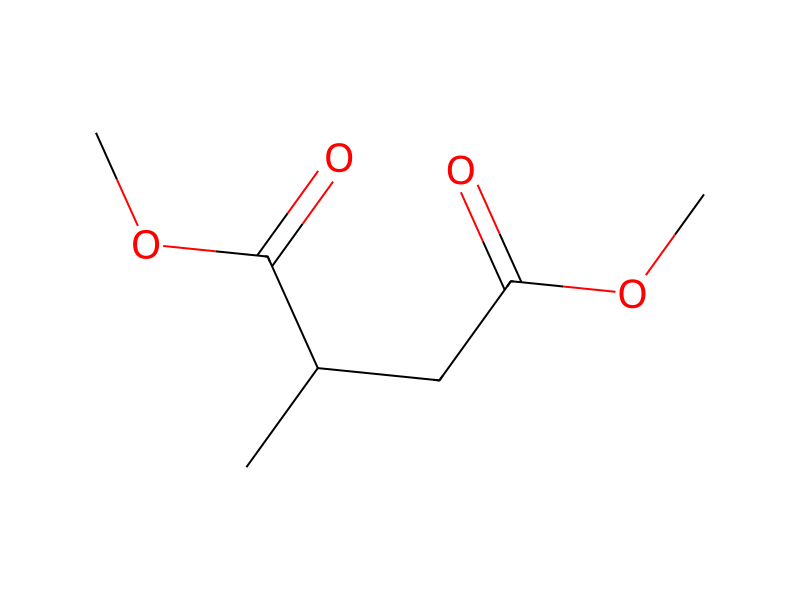
In a 50 ml Schlenk vessel, Rh(nbd)2BF4 (4.7 mg, 1 mol %) and the diphosphine ligand (1 mol %) were dissolved in toluene/MeOH (6 ml, 5:1) under argon. After all of the rhodium complex had gone into solution, dimethyl itaconate (200 mg, 1.26 mmol) dissolved in MeOH (4 ml) was added. The Schlenk vessel was subsequently connected via a three-way stopcock with a hydrogen balloon and an oil pump and the inert gas atmosphere was replaced by hydrogen. The reaction mixture was stirred at room temperature for the time indicated and the solvent was then distilled off on a rotary evaporator. The residue was filtered through a short silica gel column (eluent: diethyl ether). Compound (R)-7 was obtained as a colorless oil in quantitative yield.