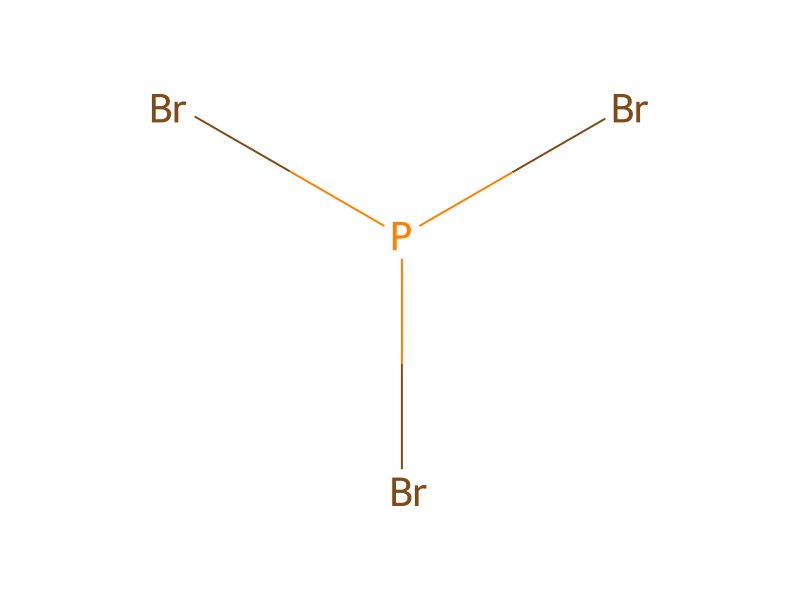
To a solution of {4-chloro-2-[(phenylmethyl)oxy]phenyl}methanol (for a preparation see intermediate 6) (0.501 g, 2.02 mmol) in DCM (10 ml) at −10 to −15° C., under nitrogen, was added a solution of phosphorus tribromide (0.190 ml, 2.02 mmol, Aldrich) in DCM (5 ml) dropwise. The solution was allowed to warm to ambient temperature and stirred for 4.5 h. To the reaction mixture in an ice-water bath was added dropwise saturated aqueous sodium hydrogen carbonate (5 ml). The mixture was diluted with water (45 ml) and dichloromethane (55 ml). The phases were separated and the aqueous phase washed with DCM (30 ml). The combined organic extracts were washed with water (10 ml). The organic extract was dried (MgSO4), filtered and the solvent removed in vacuo to give 1-(bromomethyl)-4-chloro-2-[(phenylmethyl)oxy]benzene (0.505 g) as a colourless gum.