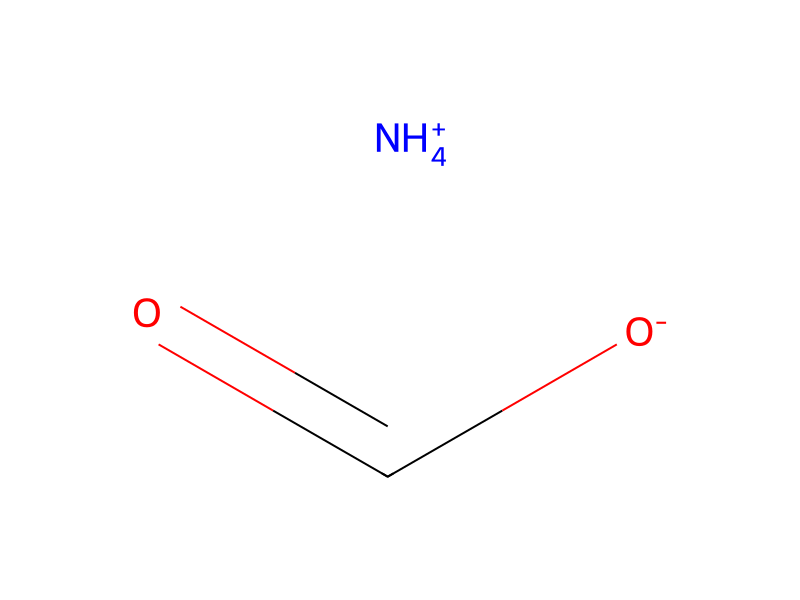
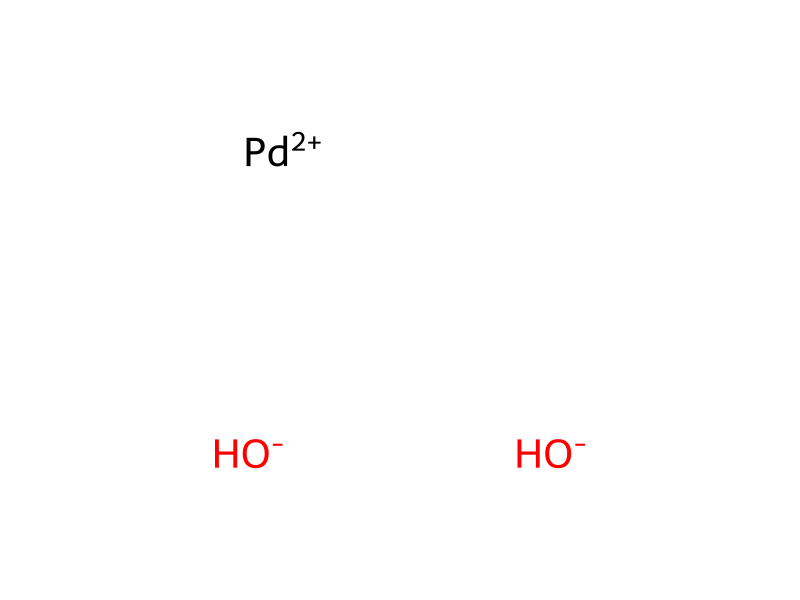
To a round bottomed flask was added a stirrer bar, N-(2,4-dimethylphenyl)-N-(2-methylpropyl)-4-[(phenylmethyl)oxy]benzenesulfonamide (974 mg, 2.300 mmol), ammonium formate (725 mg, 11.50 mmol), palladium(II) hydroxide (20% on carbon) (164 mg, 0.230 mmol) and Ethanol (65 mL). A reflux condenser was placed on the top of the flask and the reaction mixture was heated to 90° C. under reflux with stirring overnight. A product peak was observed by LCMS analysis, but only partial conversion had been seen overnight. White crystals thought to be ammonium formate were observed on the side of the reflux condenser and consequently a further 5 equivalents of ammonium formate (725 mg, 11.50 mmol) were added to the reaction mixture. The temperature of the heater was raised to 95° C. after which the reaction mixture had reached boiling point. After a further 30 minutes of heating, another LCMS sample was taken, showing no change in the ratio of starting material:product. The reaction mixture was cooled for 5 minutes before the addition of another measure of palladium(II) hydroxide (20% on carbon) (164 mg, 0.230 mmol). The reaction mixture was then reheated to 95° C. for another 30 minutes after which full conversion to the product was observed. The reaction mixture was filtered through a 10 g Celite cartridge before concentrating in vacuo to give 727 mg of crude product. The crude mixture was diluted with ethyl acetate and washed with water, then brine. The organic phase was then concentrated in vacuo to give 663 mg of the title compound.