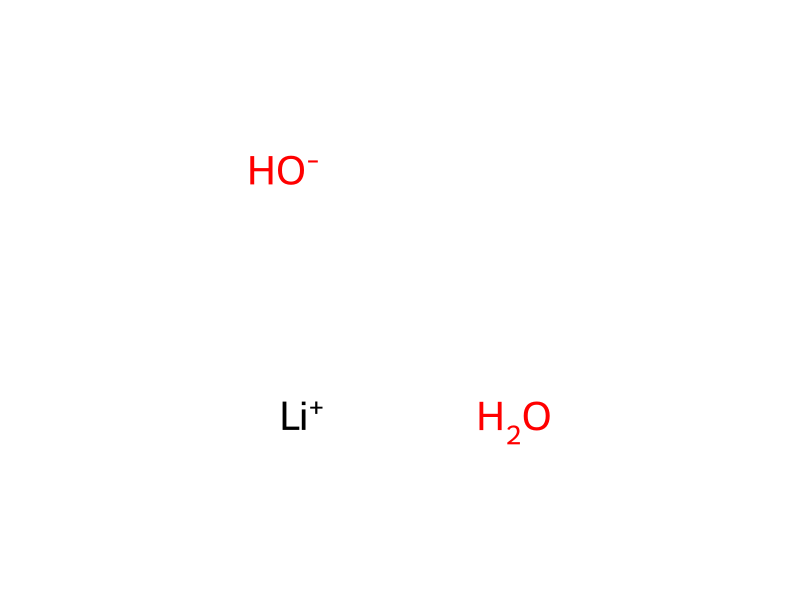
A 150-mL single-neck round-bottomed flask equipped with a magnetic stirrer and nitrogen inlet was charged with a solution of 114b (11.6 g, 42.3 mmol) in a mixture of THF (20 mL), ethanol (20 mL) and water (20 mL). Lithium hydroxide monohydrate (7.00 g, 167.0 mmol) was added and the reaction was stirred at room temperature for 1 h. After this time, the reaction mixture was partitioned between water (200 mL) and ethyl acetate (400 mL). The layers were separated, and the aqueous phase was extracted with ethyl acetate (2×200 mL). The organic extracts were combined, dried over sodium sulfate, filtered and concentrated under reduced pressure. The resulting residue was dissolved in anhydrous methylene chloride (50 mL). Imidazole (14.4 g, 68.0 mmol) was added, followed by dropwise addition of tert-butyldimethylchlorosilane (16.0 g, 106 mmol). The mixture was stirred at room temperature for 14 h. After this time, water (200 mL) was added and the layers separated. The aqueous layer was extracted with methylene chloride (2×200 mL) and the combined organic layers were washed with brine, and dried over sodium sulfate. The drying agent was removed by filtration and the filtrate was concentrated under reduced pressure. The resulting residue was purified by flash chromatography to afford an 89% yield (13.1 g) of 114c as a white semi-solid: 1H NMR (500 MHz, CDCl3) δ 7.67 (d, 1H, J=8.5 Hz), 7.54 (d, 1H, J=8.5 Hz), 7.18 (t, 1H, J=8.0 Hz), 4.96 (s, 2H), 0.80 (s, 9H), 0.007 (s, 6H).