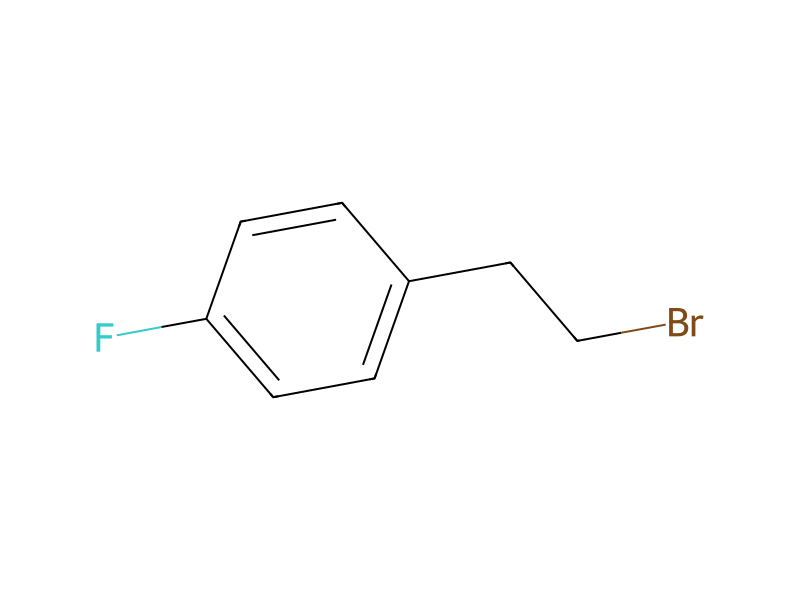
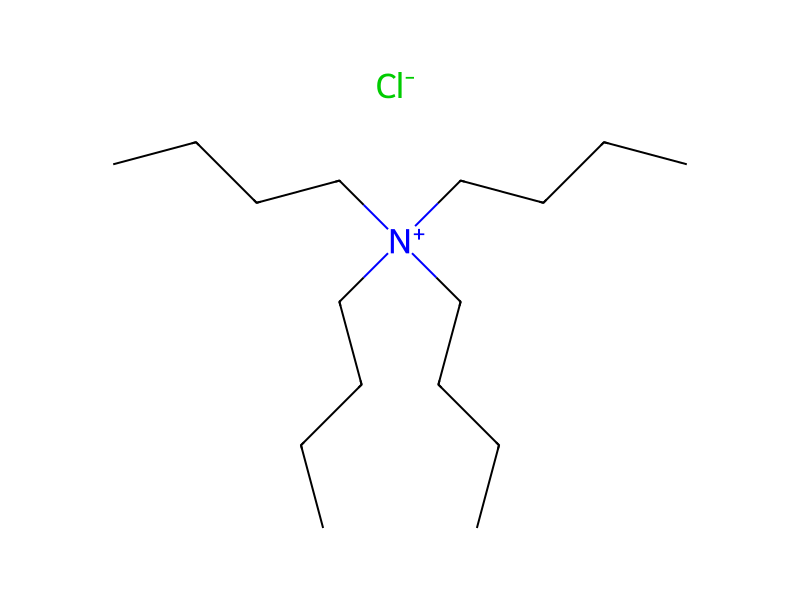
The title compound was prepared by General Method 2. 4-chlorophenylhydrazine hydrochloride (2.2 g) was added to a vigorously stirred mixture of tetra-n-butylammonium chloride (200 mg) in 50% aqueous sodium hydroxide (12 mL) followed by 4-fluorophenethyl bromide (2.5 g). The mixture was heated at 75-80° C. (oil bath temp.) for 3.5 h. After cooling to room temperature, water was added and the mixture extracted with chloroform and the chloroform layer was washed with brine. The combined extract was dried (sodium sulfate), evaporated in vacuo to give a dark oil which was chromatographed over silica gel, eluting with chloroform followed by recrystallization from cyclohexane to obtain 750 mg of product.