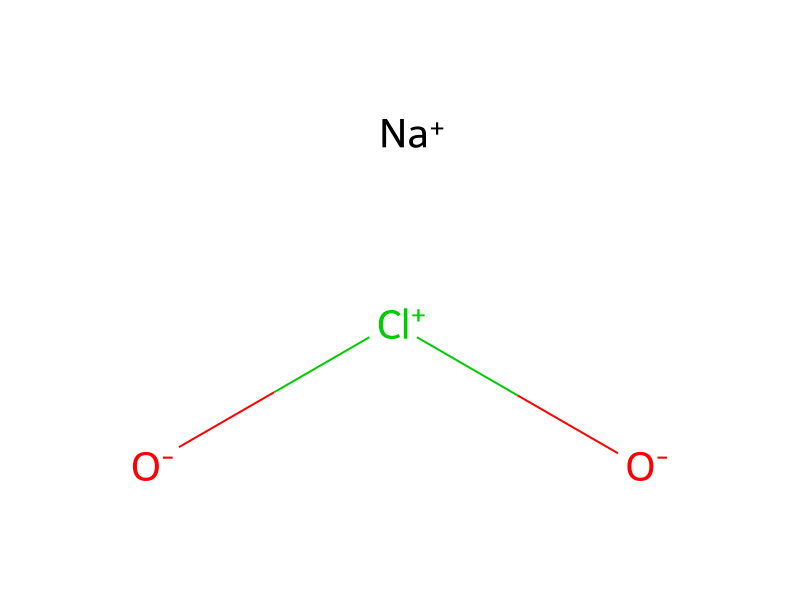
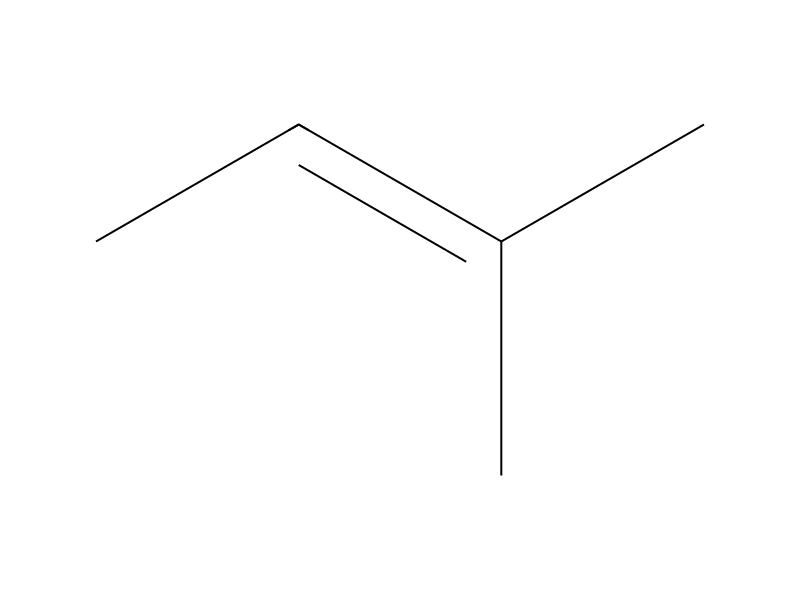
[CH:1]1([O:6][C:7]2[CH:8]=[C:9]([CH:12]=[CH:13][C:14]=2[O:15][CH3:16])[CH:10]=[O:11])[CH2:5][CH2:4][CH:3]=[CH:2]1.Cl([O-])=[O:18].[Na+].P([O-])(O)(O)=O.[Na+]>C(O)(C)(C)C.CC(=CC)C>[CH:1]1([O:6][C:7]2[CH:8]=[C:9]([CH:12]=[CH:13][C:14]=2[O:15][CH3:16])[C:10]([OH:18])=[O:11])[CH2:5][CH2:4][CH:3]=[CH:2]1A solution of 3-cyclopent-2-enyloxy-4-methoxybenzaldehyde (7.70 g) in t-butanol (160 mL) and 2-methyl-2-butene (40 mL) is treated dropwise with an aqueous solution (150 mL) containing sodium chlorite (80% technical grade; 4.39 g) and sodium dihydrogen phosphate (38.49 g), and left to stand overnight. The resulting mixture is extracted with dichloromethane (2×250 mL), and the combined organic layers are dried over sodium sulfate, the solvent is removed under reduced pressure, and the resulting residue is recrystallized from ethyl acetate, to give 3-cyclopent-2-enyloxy-4-methoxybenzoic acid (5.89 g), in the form of a colorless solid. m.p. 160–163° C. [Elemental analysis: C, 66.4; H, 6.0%; calculated: C, 66.7; H, 6.0%].