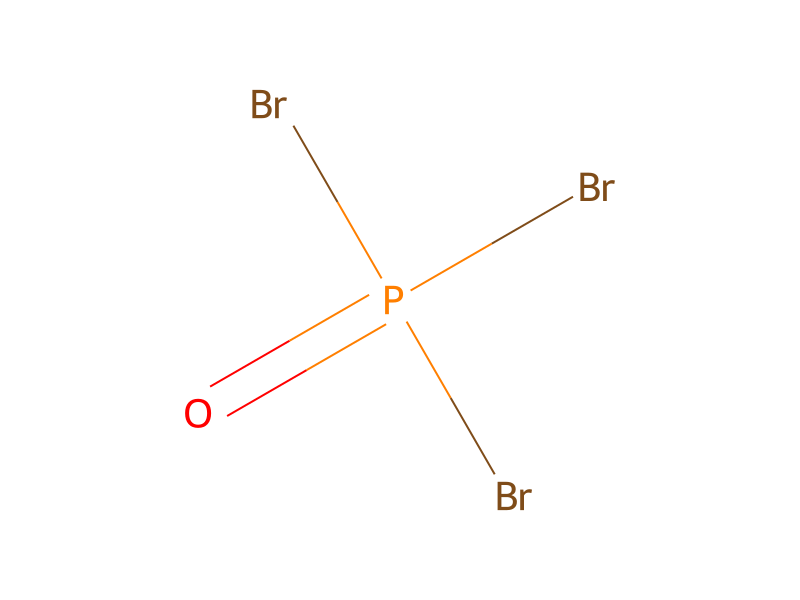
[Cl:1][C:2]1[CH:7]=[C:6]([CH3:8])[CH:5]=[C:4]([CH3:9])[C:3]=1[N:10]1[CH2:15][CH2:14][CH2:13][C:12]2[C:16](=O)[N:17]([CH3:19])[NH:18][C:11]1=2.P(Br)(Br)([Br:23])=O>ClCCl>[Br:23][C:16]1[N:17]([CH3:19])[N:18]=[C:11]2[C:12]=1[CH2:13][CH2:14][CH2:15][N:10]2[C:3]1[C:4]([CH3:9])=[CH:5][C:6]([CH3:8])=[CH:7][C:2]=1[Cl:1]7-(2-Chloro-4,6-dimethylphenyl)-2-methyl-1,2,4,5,6,7-hexahydropyrazolo[3,4-b]pyridin-3-one (3.16 g) and phosphorus oxybromide (15.5 g) were combined and stirred in a 110° C. oil bath for 4 h. After the reaction mixture had cooled to room temperature, it was dissolved in dichloromethane and added to 200 mL of ice/water. This mixture was stirred vigorously for 30 min. The phases were then separated and the aqueous phase was washed with additional dichloromethane. The combined organic phases were washed with aqueous sodium bicarbonate, dried with magnesium sulfate, and concentrated on the rotary evaporator. The residue was chromatographed on silica gel eluting with an acetone/hexane gradient to provide 1.16 g of 3-bromo-7-(2-chloro-4,6-dimethylphenyl)-2-methyl-4,5,6,7-tetrahydro-2H-pyrazolo[3,4-b]pyridine, mp 106–107° C.