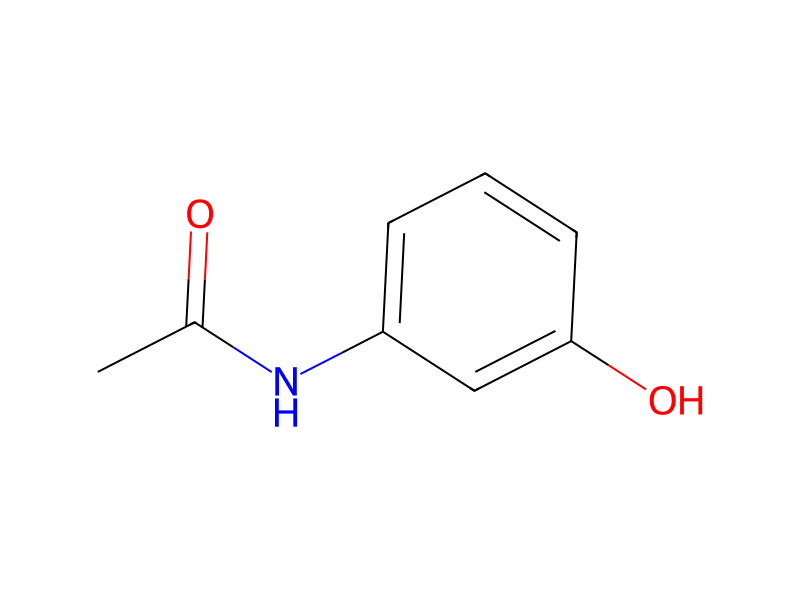
To a solution of 3-acetamidophenol (4.79 g, 31.7 mmol) in dimethylformamide (50 ml) was added cesium carbonate (5.67 g, 17.4 mmol), followed by stirring at room temperature for 30 minutes. To the resulting mixture was added methyl 3-bromomethyl-2-thiophenecarboxylate (8.94 g, 38.0 mmol), and the mixture was stirred overnight at room temperature. After the reaction was completed, the reaction mixture was poured into a 5% aqueous solution of sodium bicarbonate, followed by extraction with ethyl acetate. The organic layer was washed with a saturated aqueous solution of sodium chloride, and then dried over anhydrous magnesium sulfate. After the drying agent was filtered off, the organic layer was concentrated under reduced pressure. The obtained oily substance was purified by silica gel column chromatography (hexane/ethyl acetate=5/1), followed by trituration with hexane to give methyl 3-(3-acetamidophenoxymethyl)-2-thiophenecarboxylate as a white solid (7.27 g, 75%).