
3-Hydroxyacetanilide
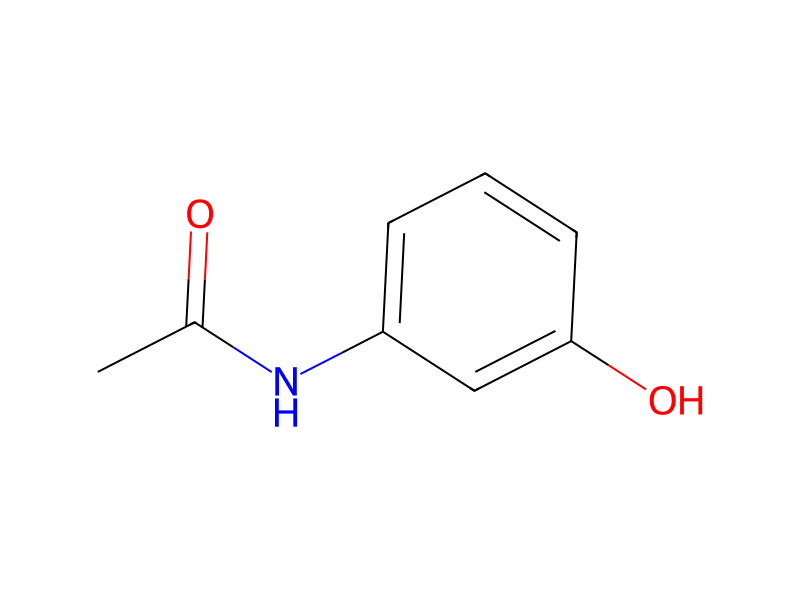
기본 정보
- CAS
621-42-1- 표준 SMILES
CC(=O)Nc1cccc(O)c1- InChIKey
QLNWXBAGRTUKKI-UHFFFAOYSA-N- 분자식
- C8H9NO2
- 평균 분자량
- 151.16 g/mol
- 단동위원소 질량
- 151.06332853
개요
N-acetyl-m-aminophenol is a light gray solid. (NTP, 1992)
이름 및 식별자
- 우선 이름
- 3-Hydroxyacetanilide
- IUPAC
- N-(3-hydroxyphenyl)acetamide
- 영어명
- 3-ACETAMIDOPHENOL
- 분자식
- C8H9NO2
- 분자량
- 151.16
이름 및 동의어
3-Hydroxyacetanilideacetyl-m-aminophenolRefChem:8111923-AcetamidophenolMetacetamolN-(3-Hydroxyphenyl)acetamide621-42-13'-Hydroxyacetanilidem-AcetamidophenolN-Acetyl-m-aminophenolPeditussAcetamide, N-(3-hydroxyphenyl)-
이름 더 보기
Nebsbs479BS 479
MetalidPyrapapRystal3-(Acetylamino)phenolM-HYDROXYACETANILIDEm-(Acetylamino)phenolBS 749Metacetamolum
데이터베이스 식별자
- CAS
621-42-1- PubChem CID
- 12124
- DTXSID
DTXSID3022089- ChEMBL
CHEMBL9419- ChEBI
CHEBI:76987- UNII
- V942ZCN81H
- EC Number
- 210-687-0
- Nikkaji
- J6.832B
물성
구조 계산 물성
- XLogP
- 0.7
- 극성 표면적
- 49.3 Ų
- 수소 결합 공여자 수
- 2
- 수소 결합 수용자 수
- 2
- 회전 가능 결합 수
- 1
- 무거운 원자 수
- 11
- 형식 전하
- 0
- 복잡도
- 147
실험 및 물리화학적 성질
DrugsPharmaceutical
LogP0.73
Solubilityless than 1 mg/mL at 72 °F (NTP, 1992)
Melting Point406 °F (NTP, 1992)
Physical DescriptionN-acetyl-m-aminophenol is a light gray solid. (NTP, 1992)
Collision Cross Section
129.8 Ų [M+H]+ [CCS Type: TW; Method: Major Mix IMS/Tof Calibration Kit (Waters)]
137.29 Ų [M+Na]+ [CCS Type: TW; Method: calibrated with polyalanine and drug standards]
130.6 Ų [M+H]+ [CCS Type: TW; Method: calibrated with polyalanine and drug standards]
물리화학적 성질
- 녹는점
- 145 · 145-148 °C(lit.)
- 끓는 점
- 273.17 °C · 273.17°C (rough estimate)
- 밀도
- 1.249 · 1.249
- 굴절률
- 1.581 · 1.5810 (estimate)
- 저장 조건
- Keep in dark place,Inert atmosphere,Room temperature
- 용해도
- 클로로포름(약간 용해됨), DMSO(약간 용해됨), 메탄올
- 산도 계수 (pKa)
- 9.5 · 9.50±0.10(Predicted)
- 물리적 상태
- 결정체, 결정체 분말 또는 바늘
- 색상
- 황백색에서 황갈색 또는 밝은 회색
- 수소이온지수(pH)
- 6 · 6-7 (H2O)(saturated solution)
- BRN
- 907998 · 907998
- InChI
- 1S/C8H9NO2/c1-6(10)9-7-3-2-4-8(11)5-7/h2-5,11H,1H3,(H,9,10)
- InChIKey
- QLNWXBAGRTUKKI-UHFFFAOYSA-N
- SMILES
- CC(=O)Nc1cccc(O)c1
- EPA
- 3 · 3'-Hydroxyacetanilide (621-42-1)
화학적 성질
off-white to tan or light grey crystals,
안전 및 규제
안전 정보는 참고용이며, 공급업체의 물질안전보건자료(SDS), 관련 법규 및 전문가 평가를 대체하지 않습니다.
GHS 분류
GHS Classification
Warning
H315 (100%): Causes skin irritation [Warning Skin corrosion/irritation]
P261, P264, P264+P265, P271, P280, P302+P352, P304+P340, P305+P351+P338, P319, P321, P332+P317, P337+P317, P362+P364, P403+P233, P405, and P501 (click each P-code to see the statement)
Aggregated GHS information provided per 46 reports by companies from 5 notifications to the ECHA C&L Inventory. Each notification may be associated with multiple companies.
유해성 정보
Regulatory Information
Commission Regulation No 844/2012
3-Acetamidophenol: Does not have an individual approval but may be used under an appropriate group standard
DOT LabelPoison
Fire HazardsFlash point data for this compound are not available. It is probably combustible. (NTP, 1992)
Health HazardsSYMPTOMS: Symptoms of exposure to this compound may include irritation of the skin, eyes and mucous membranes.
Reactive GroupAmides and Imides
Reactivity Profile
Phenols do not behave as organic alcohols, as one might guess from the presence of a hydroxyl (-OH) group in their structure. Instead, they react as weak organic acids. Phenols and cresols are much weaker as acids than common carboxylic acids (phenol has pKa = 9.88). These materials are incompatible with strong reducing substances such as hydrides, nitrides, alkali metals, and sulfides. Flammable gas (H2) is often generated, and the heat of the reaction may ignite the gas. Heat is also generated by the acid-base reaction between phenols and bases. Phenols are sulfonated very readily (for example, by concentrated sulfuric acid at room temperature). The reactions generate heat. Phenols are also nitrated very rapidly, even by dilute nitric acid. Nitrated phenols often explode when heated. Many of them form metal salts that tend toward detonation by rather mild shock. Flammable gases are formed by the reaction of organic amides with strong reducing agents. Amides are very weak bases (weaker than water). Mixing amides with dehydrating agents such as P2O5 or SOCl2 generates the corresponding nitrile. The combustion of these compounds generates mixed oxides of nitrogen (NOx).
Air and Water ReactionsWater insoluble.
Hazard Classes and CategoriesSkin Irrit. 2 (100%)
안전 및 보호
Fire FightingFires involving this material can be controlled with a dry chemical, carbon dioxide or Halon extinguisher. (NTP, 1992)
First Aid
EYES: First check the victim for contact lenses and remove if present. Flush victim's eyes with water or normal saline solution for 20 to 30 minutes while simultaneously calling a hospital or poison control center. Do not put any ointments, oils, or medication in the victim's eyes without specific instructions from a physician. IMMEDIATELY transport the victim after flushing eyes to a hospital even if no symptoms (such as redness or irritation) develop.
Nonfire Spill Response
SMALL SPILLS AND LEAKAGE: Should a spill occur while you are handling this chemical, FIRST REMOVE ALL SOURCES OF IGNITION, then you should dampen the solid spill material with 60-70% ethanol and transfer the dampened material to a suitable container. Use absorbent paper dampened with 60-70% ethanol to pick up any remaining material. Seal the absorbent paper, and any of your clothes, which may be contaminated, in a vapor-tight plastic bag for eventual disposal. Solvent wash all contaminated surfaces with 60-70% ethanol followed by washing with a soap and water solution. Do not reenter the contaminated area until the Safety Officer (or other responsible person) has verified that the area has been properly cleaned.
Isolation and EvacuationExcerpt from ERG Guide 154 [Substances - Toxic and/or Corrosive (Non-Combustible)]:
Personal Protective Equipment (PPE)
RECOMMENDED RESPIRATOR: Where the neat test chemical is weighed and diluted, wear a NIOSH-approved half face respirator equipped with an organic vapor/acid gas cartridge (specific for organic vapors, HCl, acid gas and SO2) with a dust/mist filter. (NTP, 1992)
안전 데이터
- wgk
- 2
- tsca
- TSCA listed
- rtecs
- AE4100000
- ridadr
- 2811
- 독성
- LD50 intraperitoneal in mouse: 1025mg/kg
- HS 번호
- 2924299090
- risk_code
- 36/37/38
- hazard_code
- Xi,Xn
- safety_code
- 26-36
- 포장분류
- III
- 위험 등급
- 6.1(b)
- F 고인화성물질
- 1-8
- 위험 참고 사항
- Irritant
- Hazard Classifications
- Eye Irrit. 2Skin Irrit. 2
- 스토리지 클래스
- 11 - Combustible Solids
화학 및 산업
약리 정보
MeSH Pharmacological ClassificationCompounds capable of relieving pain without the loss of CONSCIOUSNESS.
용도 및 제조
General Manufacturing InformationAcetamide, N-(3-hydroxyphenyl)-: ACTIVE
응용 분야
일반 설명Light gray solid.
상·하류 제품 정보
상류 원료
하류 제품
추가 설명
정의ChEBI: A derivative of phenol which has an acetamido substituent located meta to the phenolic -OH group. It is a non-toxic regioisomer of paracetamol with analgesic properties, but has never been marketed as a drug.
관련 반응
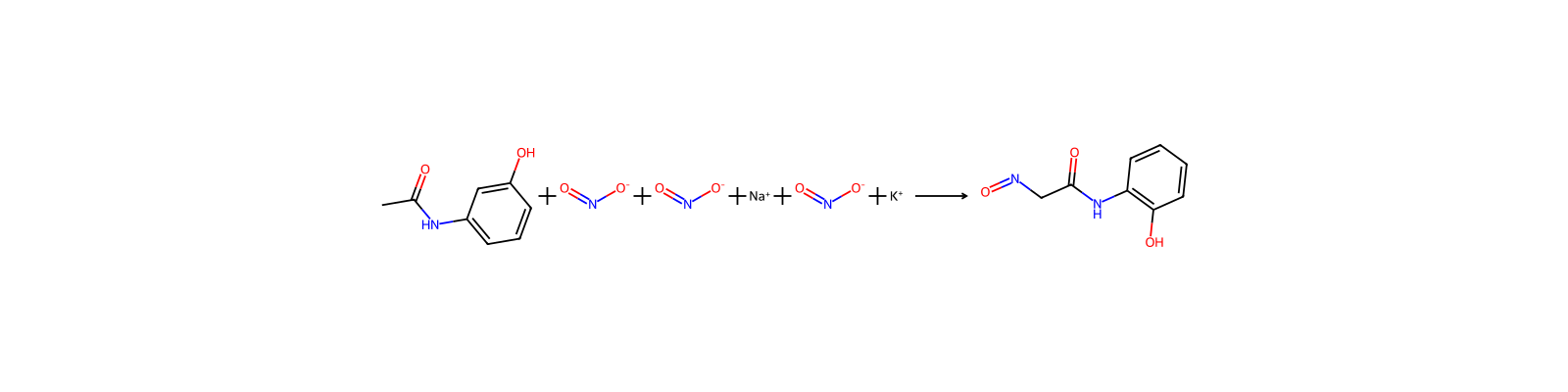
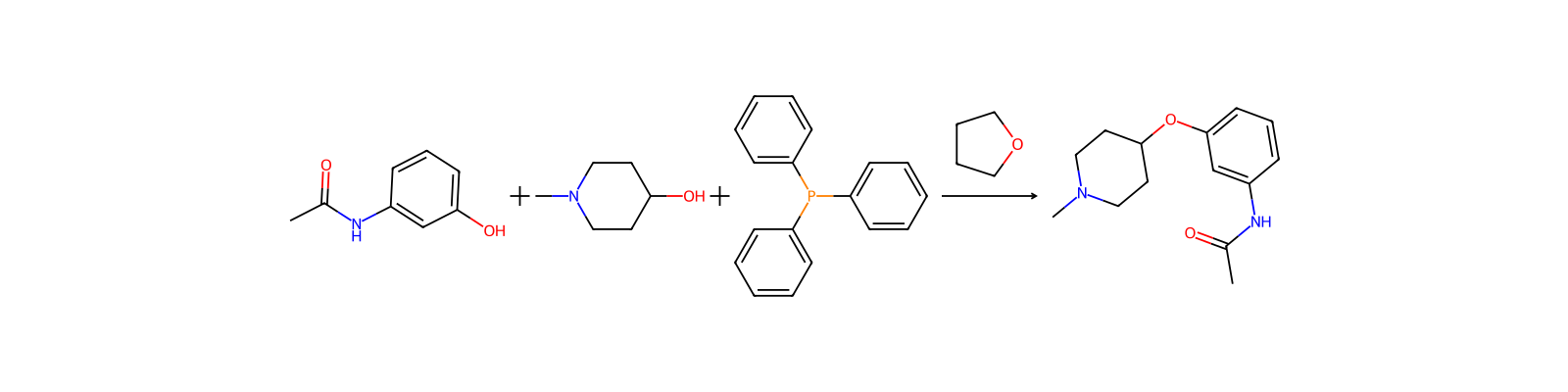
161건




화합물 노트
불러오는 중…