Anisole → 1-Bromo-6,7-dimethoxyisoquinoline-4-carbonitrile
HRID 1833239
반응식

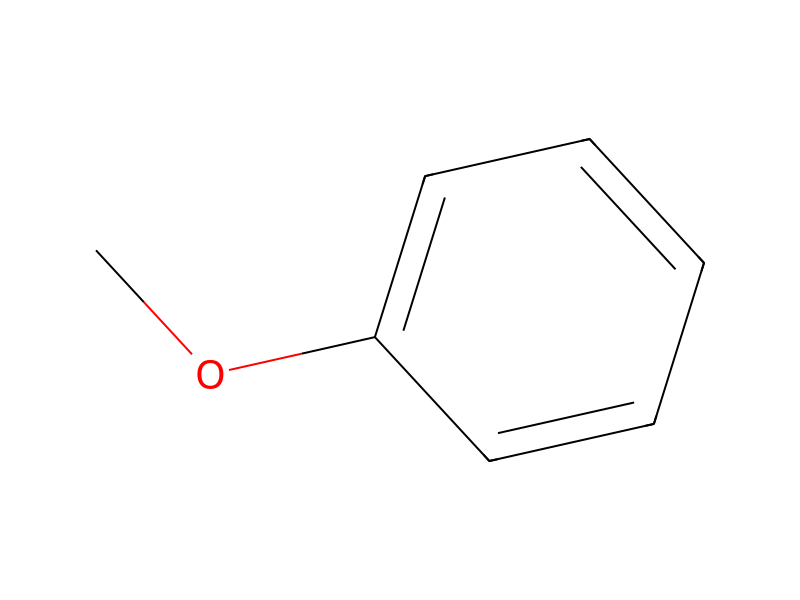
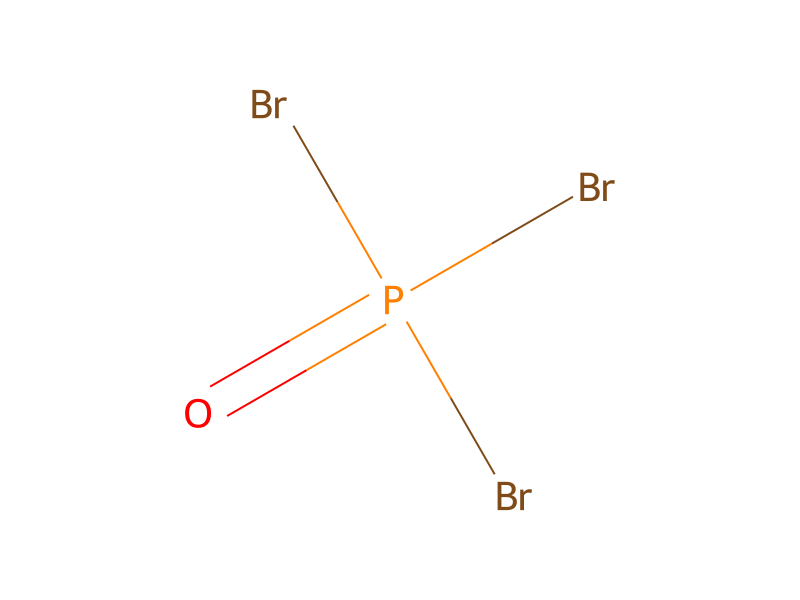
[CH3:1][O:2][C:3]1[CH:4]=[C:5]2[C:10](=[CH:11][C:12]=1[O:13][CH3:14])[C:9](=O)[NH:8][CH:7]=[C:6]2[C:16]#[N:17].P(Br)(Br)([Br:20])=O.C1(OC)C=CC=CC=1>>[Br:20][C:9]1[C:10]2[C:5](=[CH:4][C:3]([O:2][CH3:1])=[C:12]([O:13][CH3:14])[CH:11]=2)[C:6]([C:16]#[N:17])=[CH:7][N:8]=1참가 물질
4


반응 조건
- 온도
- 110 °C
실험 절차
To a mixture of 6,7-dimethoxy-1-oxo-1,2-dihydro-isoquinoline-4-carbonitrile. (3.5 g, 15.2 mmol) and phosphorus oxybromide (30 g, 105 mmol) was added anisole (3.2 mL, 30.4 mmol). The reaction mixture was heated at 110° C. for 1 h. The excess phosphorus oxybromide was removed in vacuo. The mixture was then neutralized to pH=7 by addition of saturated aqueous sodium bicarbonate solution. The aqueous phase was extracted with dichloromethane (3×200 mL). The combined extracts were washed with saturated aqueous sodium chloride solution (100 mL), dried with anhydrous magnesium sulfate, filtered and concentrated in vacuo. The crude product was recrystallized from chloroform and diethyl ether to afford product 1-bromo-6,7-dimethoxy-isoquinoline-4-carbonitrile (1 g, 22.7% yield) as a white solid.