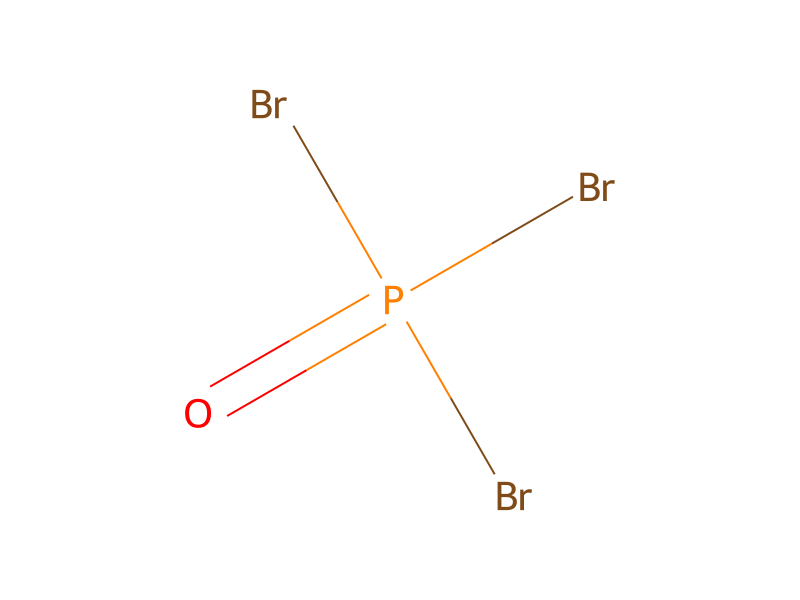
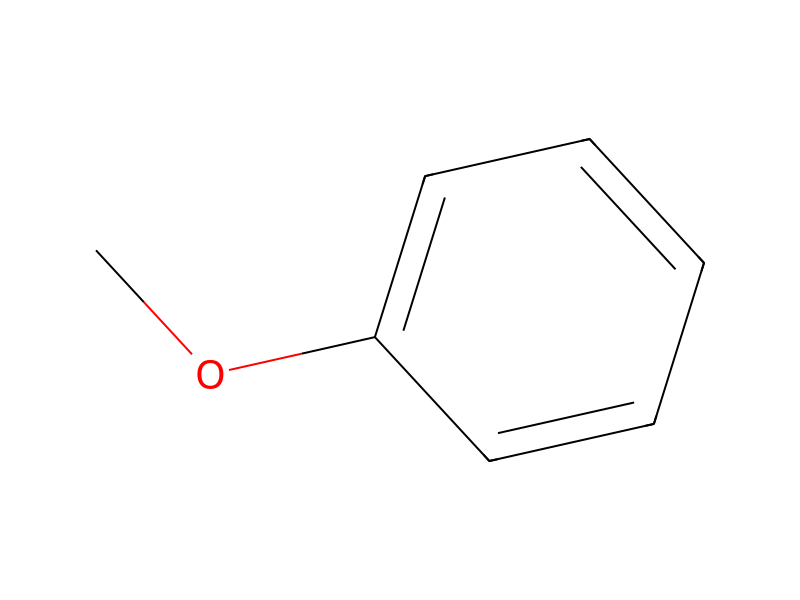
The mixture of 6,7-Dimethoxy-1-oxo-1,2-dihydro-isoquinoline-4-carbonitrile (8 g, 35 mmol) and phosphorus oxybromide (70 g, 244 mmol) in anisole (30 mL) was heated to 80° C. for 12 h. The solvent and excess POBr3 were removed by rotary evaporator. The resulting solid was washed with hexane and dried. The solid was slowly added to ice and the product was extracted with chloroform. The organic layer was washed with saturated aqueous sodium carbonate solution, saturated aqueous sodium chloride solution (20 mL), dried over magnesium sulfate, filtered and concentrated in vacuo to afford a brown solid. Flash chromatography (Merck Silica gel 60, 70–230 mesh, methylenechloride) afforded 1-Bromo-6,7-dimethoxy-isoquinoline-4-carbonitrile (7.5 g, 75%) as a brown solid. LC-MS m/e calcd for C12H9BrN2O2 (MH+) 293, found 293.