3,4-dihydro-2H-pyran → p-Toluenesulfonic acid
반응식

[CH2:1]([O:3][C:4](=O)[CH2:5][CH2:6][CH2:7]O)C.[CH2:10]1[CH2:15]O[CH:13]=[CH:12][CH2:11]1.CC1(C)C2([CH2:25][S:26]([OH:29])(=[O:28])=[O:27])C(CC1CC2)=O>N1C=CC=CC=1>[CH2:5]1[CH2:4][O:3][CH:1]=[CH:7][CH2:6]1.[CH3:1][C:11]1[CH:12]=[CH:13][C:25]([S:26]([OH:29])(=[O:28])=[O:27])=[CH:15][CH:10]=1참가 물질
6

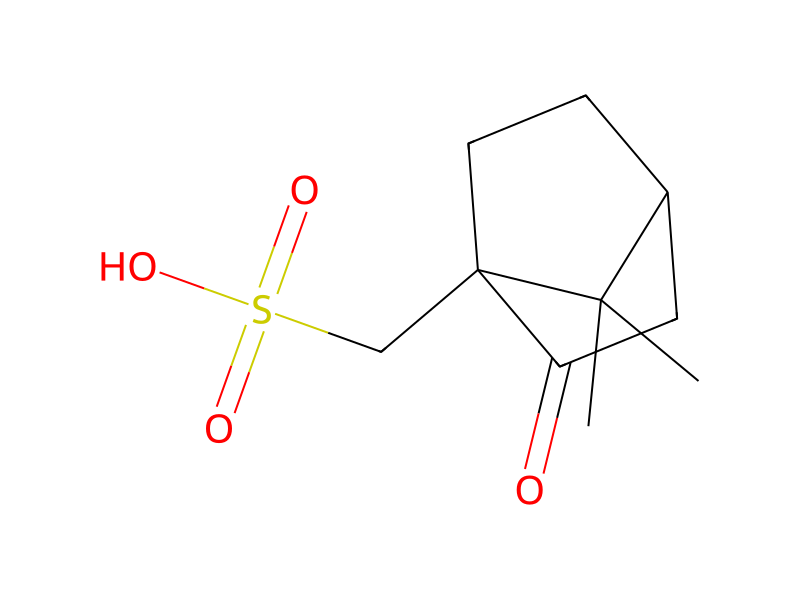



실험 절차
Scheme 7 depicts the synthesis of intermediate 11e wherein R3 and Y2 are the same and X═Br. Thus, commercially-available 4-hydroxy-butanoic acid ethyl ester 37 is treated with DHP and CSA, or with DHP, TsOH, and pyridine to provide ester 38. Reduction with LiAlD4 affords deuterated alcohol 39, which is treated with either triphenyl phosphine in CCl4 (Sabitha, G et al., Tetrahedron Letters, 2006, (volume date 2007), 48(2): 313-315) or with methanesulfonyl chloride, lithium chloride, and 2,6-lutidine in DMF (Blaszykowski, C et al., Organic Letters, 2004, 6(21): 3771-3774) to afford chloride 40. Following the same methods as in Scheme 6, chloride 40 may be converted to 11e.
출처 및 근거
- ORD 기록
- ord-956b950fd00049ab9c4ecc06b7b2f185
- 출처 데이터셋
- uspto-grants-2015_02
- 특허 번호
- US08952016B2
반응 노트
불러오는 중…