4-Methoxybenzaldehyde → glucosamine tetra-O-acetate
HRID 1855743
반응식

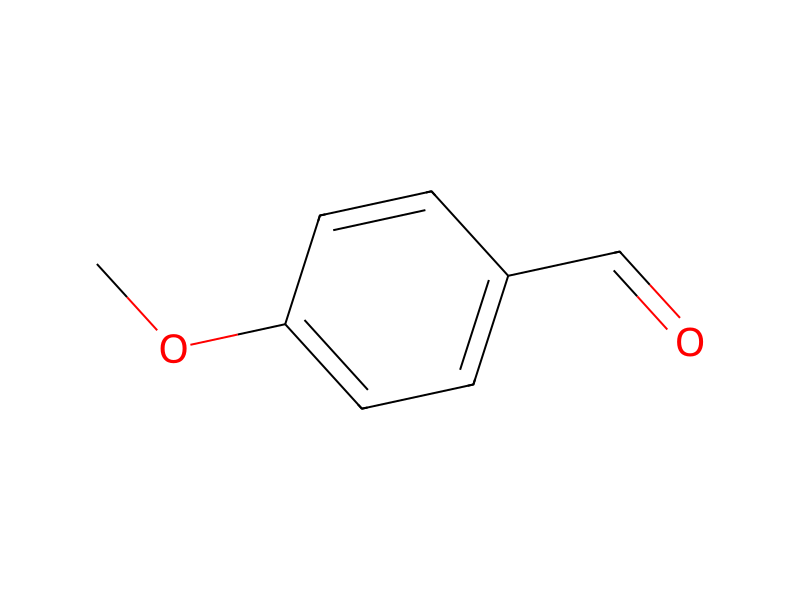
[OH:1][CH:2]1[O:10][C@H:9]([CH2:11][OH:12])[C@@H:7]([OH:8])[C@H:5]([OH:6])[C@H:3]1[NH2:4].C(=O)C1C=[CH:18][C:17]([O:20]C)=CC=1>>[C:2]([O:1][CH:2]1[O:10][C@H:9]([CH2:11][O:12][C:17](=[O:20])[CH3:18])[C@@H:7]([O:8][C:9](=[O:10])[CH3:11])[C@H:5]([O:6][C:5](=[O:6])[CH3:7])[C@H:3]1[NH2:4])(=[O:1])[CH3:3]참가 물질
3


실험 절차
Other N-acyl derivatives of glucosamines of formula I (i.e. where both R1 and R2 are not a hydrogen atom) can be obtained by deacetylation of the respective derivatives of 1,3,4,6-tetra-O-D-glucosamine by means of alcoholic hydrochloric acid. See Examples 4, 7, and 8. The 1,3,4,6-tetra-O-acetyl-D-glucosamine (R1 =R2 =acetyl in formula II) reagent is synthesized from D-glucosamine by reaction of the latter with a protecting agent for the amino group (e.g. p-anisaldehyde) to form a Schiff's base. See Example 1(a) . The Schiff's base is then acetylated with acetic anhydride (Example 1(b)), then hydrolized with hydrochloric acid (Example 1(c)) and treated with sodium acetate (for example) to obtain 1,3,4,6-tetra-O-acetyl-D-glucosamine. Examples 1(d) and 2(a). The resultant 1,3,4,6-tetra-O-acetyl-D-glucosamine is condensed with the acylated amino acid or oligopeptide in the presence of DCC as described above.