반응식

[C:1]1([CH:9]=[C:7]([OH:8])[CH:6]=[C:4](O)[CH:3]=1)O.CC(C1C=CC(O)=CC=1)([CH2:22][C:23]([CH3:32])([C:25]1[CH:30]=[CH:29][C:28]([OH:31])=[CH:27][CH:26]=1)[CH3:24])CC(C1C=CC(O)=CC=1)C.OC1[CH:46]=[CH:45][C:44]([C:47]2[CH:52]=C(C3C=CC(O)=CC=3)C=C(C3C=CC(O)=CC=3)[CH:48]=2)=[CH:43][CH:42]=1.OC1C=CC(C(C2C=CC(O)=CC=2)(C2C=CC(O)=CC=2)C)=CC=1.C1(O)C=CC=CC=1.OC1C=CC(C)=CC=1CC1C=C(C)C=C(CC2C=C(C)C=CC=2O)C=1O.OC1C=C(O)C=CC=1C(O)=O.OC1C=CC(C(C2C=CC(O)=CC=2O)(C)C)=CC=1>>[OH:31][C:28]1[CH:27]=[CH:26][C:25]([C:23]([C:22]2[CH:46]=[CH:45][C:44]([C:47]([C:3]3[CH:4]=[CH:6][C:7]([OH:8])=[CH:9][CH:1]=3)([CH3:52])[CH3:48])=[CH:43][CH:42]=2)([CH3:32])[CH3:24])=[CH:30][CH:29]=1참가 물질
반응물 8
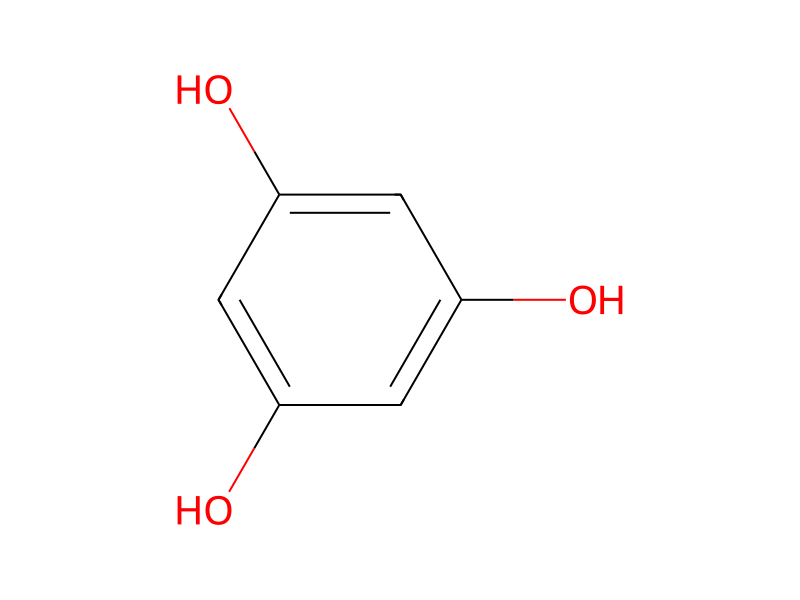 HCID 359Phloroglucinol
 HCID 996Phenol
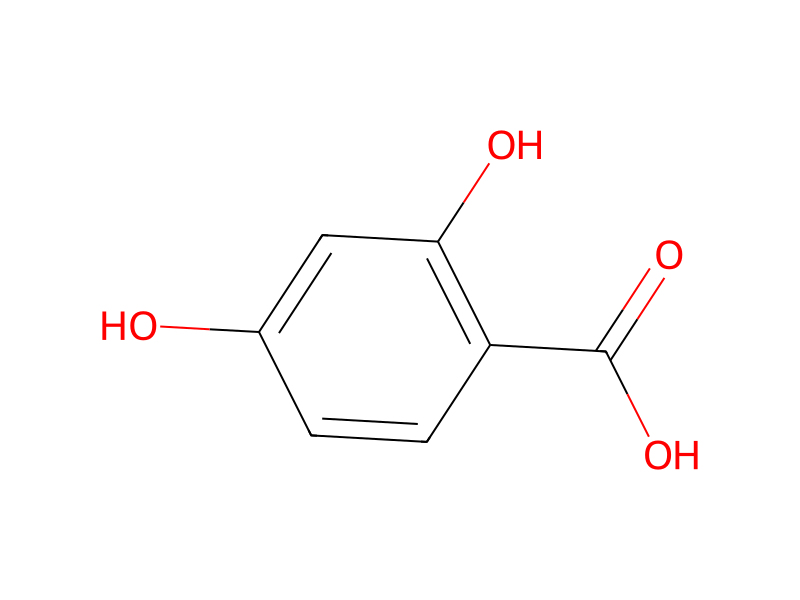 HCID 14912,4-Dihydroxybenzoic Acid
 HCID 741812,6-Bis((2-hydroxy-5-methylphenyl)methyl)-4-methylphenol
 HCID 931181,1,1-Tris(4-hydroxyphenyl)ethane
 HCID 3481481,3,5-Tris(4-hydroxyphenyl)benzene
 HCID 218855202-(4-Hydroxyphenyl)-2-(2,4-dihydroxyphenyl)-propane
 HCID 218944334,6-Dimethyl-2,4,6-tri-(4-hydroxyphenyl)-heptane
생성물 1

실험 절차
The polycarbonates may be branched by the incorporation of small quantities of polyhydroxy compounds, e.g. from 0.05 to 2.0 mol % thereof, (based on the quantity of bis-phenols used). Polycarbonates of this kind have been described, for example, in German Offenlegungsschriften No. 1,570,533, No. 2,116,974 and No. 2,113,347, in British patent specifications No. 885,442 and No. 1,079,821 and in U.S. Pat. No. 3,544,514. Suitable polyhydroxy compounds include, for example, phloroglucinol, 4,6-dimethyl-2,4,6-tri-(4-hydroxyphenyl)-heptane, 1,3,5-tri-(4-hydroxyphenyl)-benzene, 1,1,1-tri-(4-hydroxyphenyl)-ethane, tri-(4-hydroxphenyl)phenylmethane, 2,2-bis-[4,4-(4,4'-di-hydroxydiphenyl)-cyclohexy]-propane, 2,4-bis-)4-hydroxyphenyl-4-isopropyl)-phenol, 2,6-bis-(2'-hydroxy-5'-methyl-benzyl)-4-methyl-phenol, 2,4-dihydroxybenzoic acid, 2-(4-hydroxyphenyl)-2-(2,4-dihydroxyphenyl)-propane and 1,4-bis-(4', 4"-dihydroxy-triphenyl-methyl)-benzene.
출처 및 근거
- ORD 기록
- ord-b5d7bc98f0ba4b36978e3125c9fc0714
- 출처 데이터셋
- uspto-grants-1980_08
- 특허 번호
- US04218545
연결된 노트
불러오는 중…