홈MCP워크벤치Skills
홈워크벤치알림마이페이지
llms.txt · MCP 가이드개인정보처리방침 · 이용약관 · 지원v1.8.3
  1. 홈
  2. /반응

Pyridine → 3,5-Difluoro-4-formylphenyl 2-oxooxazolidine-3-carboxylate

HRID 1877757
인쇄

반응식

HRID 1877757 반응식
[O:1]1[CH2:5][CH2:4][NH:3][C:2]1=[O:6].ClC(Cl)(O[C:11](=[O:17])[O:12][C:13](Cl)(Cl)Cl)Cl.C(N(CC)CC)C.[F:26][C:27]1[CH:34]=C(O)[CH:32]=[C:31]([F:36])[C:28]=1[CH:29]=[O:30].N1C=CC=CC=1>C(Cl)Cl.O.C1COCC1>[O:6]=[C:2]1[N:3]([C:11]([O:12][C:13]2[CH:34]=[C:27]([F:26])[C:28]([CH:29]=[O:30])=[C:31]([F:36])[CH:32]=2)=[O:17])[CH2:4][CH2:5][O:1]1
참가 물질실험 절차후처리출처 및 근거반응 노트

참가 물질

9

반응물 5

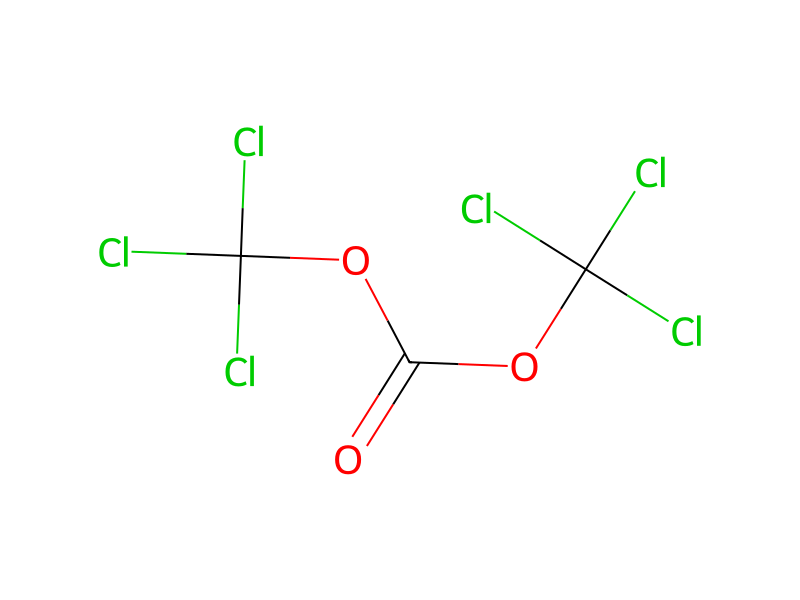
HCID 1049PyridineHCID 8471TriethylamineHCID 739492-OxazolidinoneHCID 94429TriphosgeneHCID 249035482,6-Difluoro-4-hydroxybenzaldehyde

생성물 1

HCID 582347103,5-Difluoro-4-formylphenyl 2-oxooxazolidine-3-carboxylate수율 98.1%

시약·촉매·용매 3

HCID 962Water용매HCID 6344Dichloromethane용매HCID 8028Tetrahydrofuran용매

실험 절차

To a 250 mL dry round bottom flask were added 2-oxazolidinone (4.35 g, 50.0 mmol), triphosgene (5.49 g, 18.5 mmol) and anhydrous THF (80 mL). The mixture was stirred in an ice-water bath, then triethylamine (9.8 mL, 70.0 mmol) was added slowly. After stirring at 0° C. for 1 hour, the mixture was stirred continually at room temperature overnight. The reaction mixture was filtered and the filtrate was concentrated. The residue was dissolved in 20 mL of CH2Cl2, and this solution was added slowly to a stirring mixture of 2,6-difluoro-4-hydroxybenzaldehyde (5.93 g, 27.5 mmol) and pyridine (4.44 mL, 55.0 mmol) in 30 mL of anhydrous CH2Cl2 at 0° C. After stirring at room temperature for 10 hours, water (100 mL) was added to the reaction mixture. The CH2Cl2 layer was separated, and the aqueous layer was extracted continually with CH2Cl2 (50 mL×4). The combined CH2Cl2 solution was dried over Na2SO4. After removal of the solvent, the residue was purified with a silica gel chromatography (heptane/ethyl acetate, gradient eluting) to give 3,5-difluoro-4-formylphenyl 2-oxooxazolidine-3-carboxylate (4.92 g) as a white solid. Yield: 33%. 1H NMR (CDCl3, 300 MHz): δ=10.29 (s, 1H), 6.98 (dd, J=10.8, 2.1 Hz, 2H), 4.51 (t, J=7.8 Hz, 2H), 4.18 (t, J=7.6 Hz, 2H). 13C NMR (CDCl3, 75.5 MHz): δ=183.5, 163.7 (dd, J=263.6, 8.00 Hz), 151.2, 148.0, 112.6, 106.8 (dd, J=25.7, 3.70 Hz), 62.1, 43.7.


후처리

  1. customTo a 250 mL dry round bottom flask
  2. stirringAfter stirring at 0° C. for 1 hour
  3. stirringthe mixture was stirred continually at room temperature overnight
  4. filtrationThe reaction mixture was filtered
  5. concentrationthe filtrate was concentrated
  6. dissolutionThe residue was dissolved in 20 mL of CH2Cl2
  7. stirringAfter stirring at room temperature for 10 hours
  8. customThe CH2Cl2 layer was separated
  9. extractionthe aqueous layer was extracted continually with CH2Cl2 (50 mL×4)
  10. dry with materialThe combined CH2Cl2 solution was dried over Na2SO4
  11. customAfter removal of the solvent
  12. customthe residue was purified with a silica gel chromatography (heptane/ethyl acetate, gradient eluting)

출처 및 근거

ORD 기록
ord-c9c34071a58a444f9e65051f5d116105
출처 데이터셋
uspto-grants-2012_11
DOI
10.6084/m9.figshare.5104873.v1
특허 번호
US08314081B2

반응 노트

이 페이지에서참가 물질실험 절차후처리출처 및 근거반응 노트