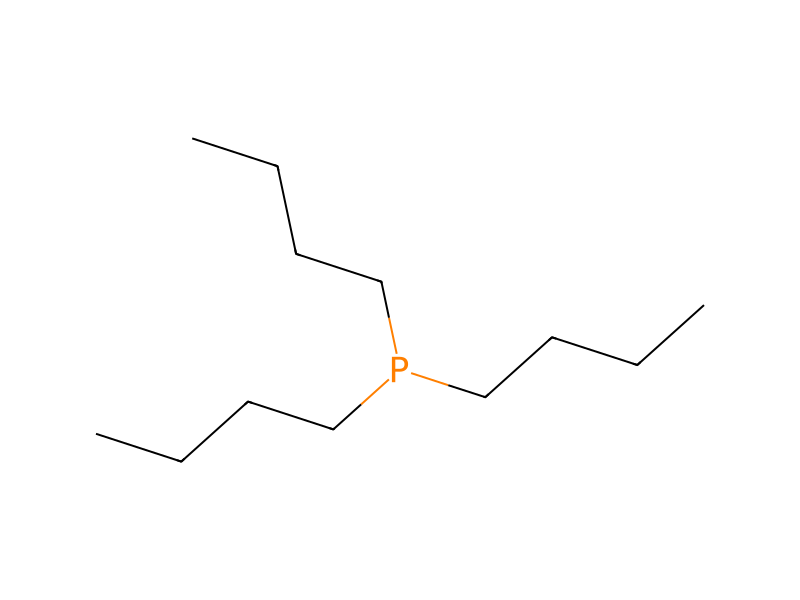
N(C(OC(C)C)=O)=NC([O:5][CH:6](C)[CH3:7])=O.[OH:15][C@H:16]([CH2:34][CH2:35][C:36]1[CH:41]=[CH:40][C:39]([C:42]2[CH:43]=[N:44][C:45]([O:48][CH3:49])=[CH:46][CH:47]=2)=[CH:38][CH:37]=1)[C@H:17]([CH2:21][CH2:22][N:23]1[C:28](=[O:29])[C:27]2[CH:30]=[CH:31][CH:32]=[CH:33][C:26]=2[N:25]=[N:24]1)[C:18]([OH:20])=[O:19].C(P(CCCC)CCCC)CCC.C(O)(=O)C>O1CCCC1>[C:6]([O:15][C@H:16]([CH2:34][CH2:35][C:36]1[CH:37]=[CH:38][C:39]([C:42]2[CH:43]=[N:44][C:45]([O:48][CH3:49])=[CH:46][CH:47]=2)=[CH:40][CH:41]=1)[C@H:17]([CH2:21][CH2:22][N:23]1[C:28](=[O:29])[C:27]2[CH:30]=[CH:31][CH:32]=[CH:33][C:26]=2[N:25]=[N:24]1)[C:18]([OH:20])=[O:19])(=[O:5])[CH3:7]Diisopropyl azodicarboxylate (63 mg) was added to a solution of compound (100 mg) obtained from Example 1A above, tri-n-butylphosphine (93 mg) and acetic acid (1 ml) in dry tetrahydrofuran (3 ml) at 0° C. Reaction mixture was stirred for 1 hour and concentrated. Residue was taken in ethyl acetate and washed with water and brine. Organic layer was concentrated to get oily residue which was purified on preparative thin layer chromatography (2 mm thickness) using 10% methanol in dichloromethane to get the title compound (80 mg) (formed probably by esterfication of acetic acid (used in large excess) and not due to Mitsunobu reaction). Mass (m/z): 517.06 (M++1); 1HNMR: δ 8.37 (m, 2H), 8.15 (d, 1H, J=8 Hz), 7.97-7.93 (m, 1H), 7.82-7.80 (m, 1H), 7.41 (d, 2H, J=8 Hz), 7.20 (d, 2H, J=8 Hz), 6.83 (d, 1H, J=8 Hz), 5.28-5.27 (m, 1H), 4.56-4.58 (m, 2H), 4.01 (s, 3H), 2.85-2.80 (m, 1H), 2.55-2.75 (m, 2H), 2.31-2.29 (m, 2H), 2.25-2.10 (m, 2H), 2.063 (s, 3H).
불러오는 중…