홈MCP워크벤치Skills
홈워크벤치알림마이페이지
llms.txt · MCP 가이드개인정보처리방침 · 이용약관 · 지원v1.8.0
  1. 홈
  2. /반응

Cesium carbonate → 5-(3-Methylazetidin-1-yl)-2-nitropyridine

HRID 1919035
노트
인쇄 미리보기

반응식

HRID 1919035 반응식
C1(S([O-])(=O)=O)C=CC=CC=1.[CH3:11][CH:12]1[CH2:15][NH2+:14][CH2:13]1.[N+:16]([C:19]1[CH:24]=[CH:23][C:22](Br)=[CH:21][N:20]=1)([O-:18])=[O:17].C(=O)([O-])[O-].[Cs+].[Cs+].CC1(C)C2C(=C(P(C3C=CC=CC=3)C3C=CC=CC=3)C=CC=2)OC2C(P(C3C=CC=CC=3)C3C=CC=CC=3)=CC=CC1=2>C(Cl)Cl.CO.O.C1C=CC(/C=C/C(/C=C/C2C=CC=CC=2)=O)=CC=1.C1C=CC(/C=C/C(/C=C/C2C=CC=CC=2)=O)=CC=1.C1C=CC(/C=C/C(/C=C/C2C=CC=CC=2)=O)=CC=1.[Pd].[Pd].O1CCOCC1>[CH3:11][CH:12]1[CH2:15][N:14]([C:22]2[CH:23]=[CH:24][C:19]([N+:16]([O-:18])=[O:17])=[N:20][CH:21]=2)[CH2:13]1
참가 물질실험 절차후처리출처 및 근거반응 노트

참가 물질

9

반응물 4

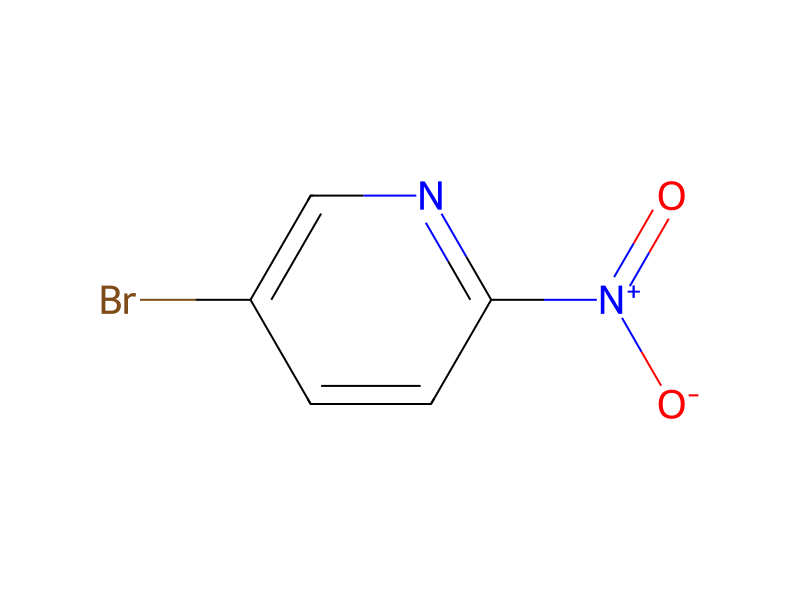
HCID 10796Cesium carbonateHCID 6360441,1'-(9,9-Dimethyl-9H-xanthene-4,5-diyl)bis(1,1-diphenylphosphine)HCID 8176205-Bromo-2-nitropyridineHCID 866612493-Methylazetidinium benzenesulfonate

생성물 1

HCID 580441445-(3-Methylazetidin-1-yl)-2-nitropyridine수율 69%

시약·촉매·용매 4

HCID 9811564
Bis(dibenzylideneacetone)palladium
촉매
HCID 962Water용매
HCID 312751,4-Dioxane용매
HCID 21226129Dichloromethane methanol용매

실험 절차

A 500-mL single-neck round-bottomed flask equipped with a magnetic stirrer and nitrogen inlet was charged with 3-methylazetidinium benzenesulfonate (4.02 g, 17.5 mmol), 2-nitro-5-bromo pyridine (3.56 g, 17.5 mmol), cesium carbonate (28.5 g, 87.7 mmol) and 1,4-dioxane (50 mL). After bubbling nitrogen through the resulting suspension for 30 min, Xantphos (862 mg, 1.50 mmol) and tris(dibenzylidene-acetone)dipalladium(0) (800 mg, 0.900 mmol) were added. A reflux condenser was attached to the flask, and the reaction mixture was heated at reflux for 3 h. After this time, the mixture was cooled to room temperature and diluted with 90:10 methylene chloride/methanol (100 mL) and water (75 mL), and the layers were separated. The aqueous layer was extracted with 90:10 methylene chloride/methanol (2×50 mL), and the combined organic extracts were washed with brine and dried over sodium sulfate. The drying agent was removed by filtration. The filtrate was concentrated under reduced pressure, and the resulting residue was purified by flash column chromatography (silica, 0% to 80% ethyl acetate/hexanes) to afford 236a in 69% yield (2.35 g) as an amorphous yellow solid: mp 141-143° C.; 1H NMR (500 MHz, CDCl3) d 8.12 (d, 1H, J=9.0 Hz), 7.60 (d, 1H, J=2.5 Hz), 6.66 (dd, 1H, J=9.0, 2.5 Hz), 4.23 (t, 2H, J=8.5 Hz), 3.68 (m, 2H), 2.99 (m, 1H), 1.36 (d, 3H, J=7.0 Hz; MS (ESI+) m/z 194.0 (M+H)


후처리

  1. customA 500-mL single-neck round-bottomed flask equipped with a magnetic stirrer and nitrogen inlet
  2. customAfter bubbling nitrogen through the resulting suspension for 30 min
  3. customA reflux condenser was attached to the flask
  4. temperaturethe reaction mixture was heated
  5. temperatureat reflux for 3 h
  6. customthe layers were separated
  7. extractionThe aqueous layer was extracted with 90:10 methylene chloride/methanol (2×50 mL)
  8. washthe combined organic extracts were washed with brine
  9. dry with materialdried over sodium sulfate
  10. customThe drying agent was removed by filtration
  11. concentrationThe filtrate was concentrated under reduced pressure
  12. customthe resulting residue was purified by flash column chromatography (silica, 0% to 80% ethyl acetate/hexanes)

출처 및 근거

ORD 기록
ord-65236d20153a45e48f7e3d51f05ed397
출처 데이터셋
uspto-grants-2013_12
DOI
10.6084/m9.figshare.5104873.v1
특허 번호
US08618107B2

반응 노트

불러오는 중…

이 페이지에서참가 물질실험 절차후처리출처 및 근거반응 노트