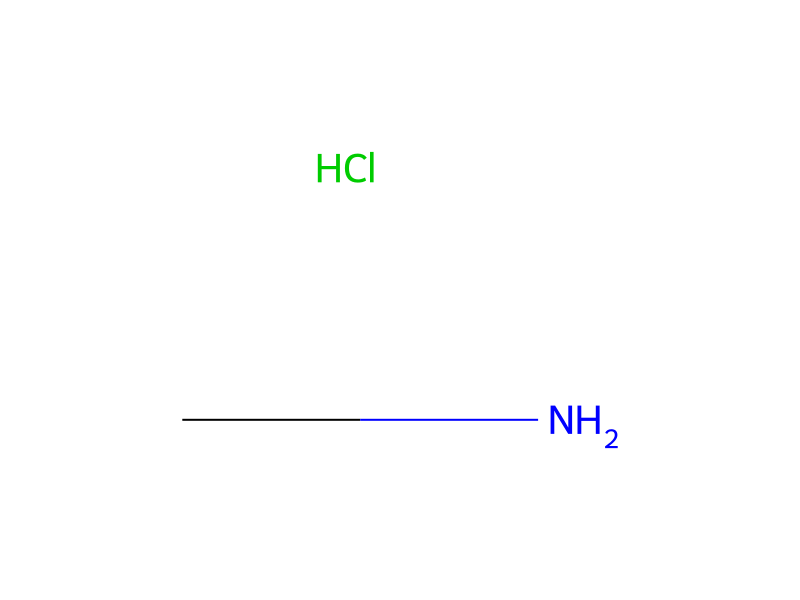
Dry ammonia was bubbled through a stirred solution of aminomalononitrile p-toluenesulfonate (30.0 g, 119 mmol) in anhydrous acetonitrile (800 mL). The reaction warmed slightly, and precipitate formed. The precipitate was removed by filtration, and the filtrate was concentrated to a volume of about 600 mL. Trimethyl orthoacetate (14.3 g, 119 mmol) was added, and the resulting solution was heated at reflux for 30 minutes and then allowed to cool to room temperature. N,N-Diisopropylethylamine (15.36 g, 119 mmol) and methylamine hydrochloride (8.03 g, 119 mmol) were sequentially added, and the resulting dark red solution was heated at reflux and then cooled to 0° C. Brown crystals formed and were isolated by filtration to provide 9 g of 5-amino-1,2-dimethyl-1H-imidazole-4-carbonitrile. The filtrate was concentrated under reduced pressure, and the resulting oil was triturated with 20% w/w aqueous sodium hydroxide to provide a yellow solid that was isolated by filtration provide 2 g of 5-amino-1,2-dimethyl-1H-imidazole-4-carbonitrile. The total yield of 5-amino-1,2-dimethyl-1H-imidazole-4-carbonitrile was 68%.