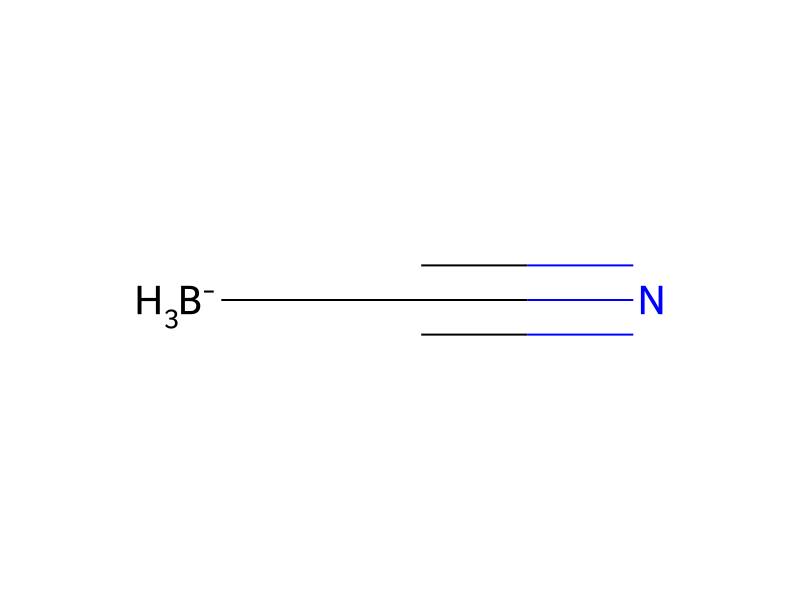
[CH:1]([C:3]1[CH:4]=[C:5]([C:14]([O:16][CH2:17][CH3:18])=[O:15])[C:6](=[O:13])[N:7]2[C:12]=1[CH:11]=[CH:10][CH:9]=[CH:8]2)=O.[Cl-].[Cl:20][C:21]1[CH:22]=[C:23]2[C:28](=[CH:29][CH:30]=1)[CH2:27][NH2+:26][CH2:25][CH2:24]2.C(O)(=O)C.C([BH3-])#N>ClC(Cl)C.C(N(CC)CC)C>[Cl:20][C:21]1[CH:22]=[C:23]2[C:28](=[CH:29][CH:30]=1)[CH2:27][N:26]([CH2:1][C:3]1[CH:4]=[C:5]([C:14]([O:16][CH2:17][CH3:18])=[O:15])[C:6](=[O:13])[N:7]3[C:12]=1[CH:11]=[CH:10][CH:9]=[CH:8]3)[CH2:25][CH2:24]2Ethyl 1-formyl-4-oxo-4H-quinolizine-3-carboxylate (300 mg, 1.22 mmol) and 6-chloro-1,2,3,4-tetrahydroisoquinolinium chloride (267 mg, 1.59 mmol) were dissolved in 6.2 mL of dichloroethane, and the reaction was neutralized by adding triethylamine dropwise to reach pH 7. The reaction mixture was re-acidified by adding glacial acetic acid (420 μl, 7.34 mmol). MP-Cyanoborohydride resin (1 spatula tip, excess) was added, and the reaction was stirred and heated at 120° C. for 20 minutes in a Emrys Optimizer™ microwave. The crude reaction mixture was filtered with methanol, concentrated in vacuo and redissolved in dimethylsulfoxide, then was purified by reverse phase HPLC, eluting with 20-90% acetonitrile in water to afford ethyl 1-[(6-chloro-3,4-dihydroisoquinolin-2(1H)-yl)methyl]-4-oxo-4H-quinolizine-3-carboxylate that gave a proton NMR spectrum consistent with theory and a mass ion (ES+) of 397.0.