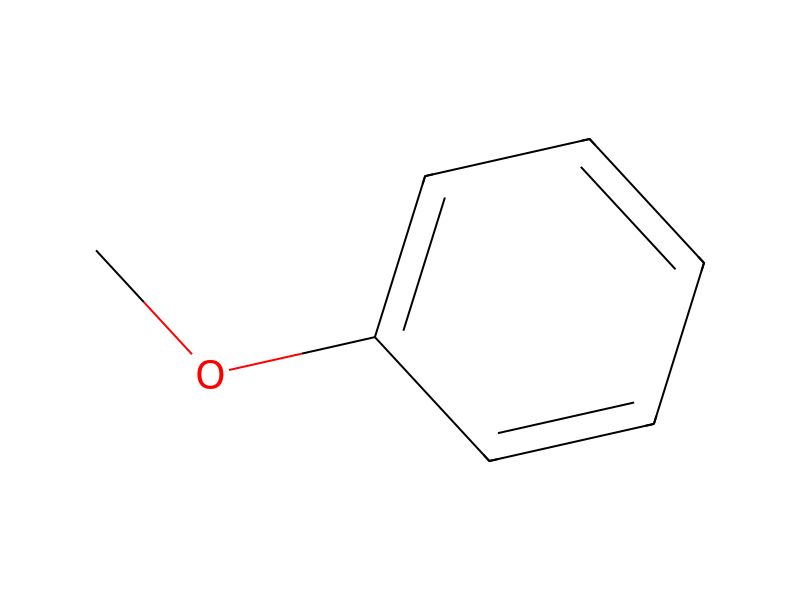
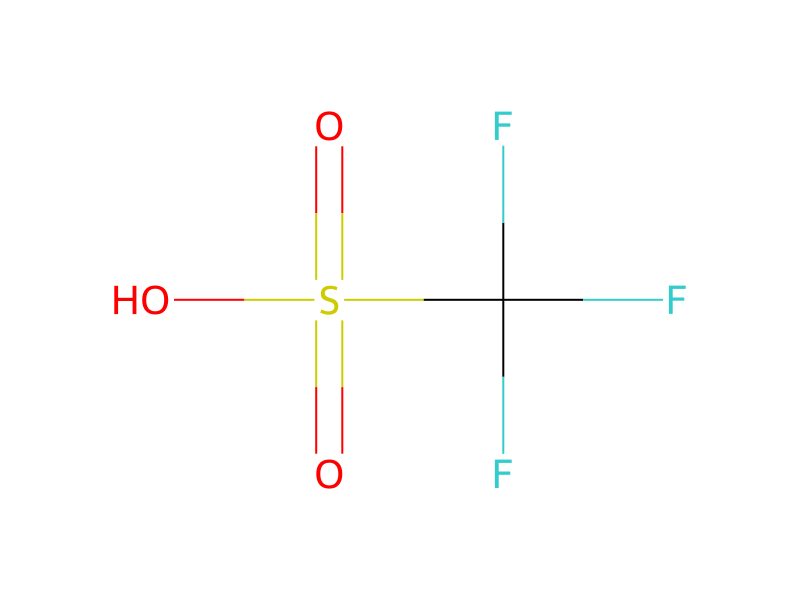
A solution of (R)-5-(3-bromo-phenyl)-4-(4-methoxy-benzyl)-2,2,5-trimethyl-morpholin-3-one (487 mg, 1.2 mmol) and anisole (2.305 g, 21.3 mmol) in trifluoroacetic acid (6 ml) was treated dropwise with trifluoromethanesulfonic acid (1.19 ml). After complete addition, the violet reaction mixture was heated at 73° C. for 23 hours. The cooled reaction mixture was poured into a saturated solution of sodium hydrogen-carbonate which was extracted with ethyl acetate. The organic layer was separated, washed with brine, dried over sodium sulfate, and evaporated at reduced pressure. The crude product was purified by chromatography on silica gel using a gradient of heptane and ethyl acetate=100/0 to 66/34 as the eluent. The product containing fractions (550 mg, orange foam) were collected and engaged in the next step without further purification and characterization.