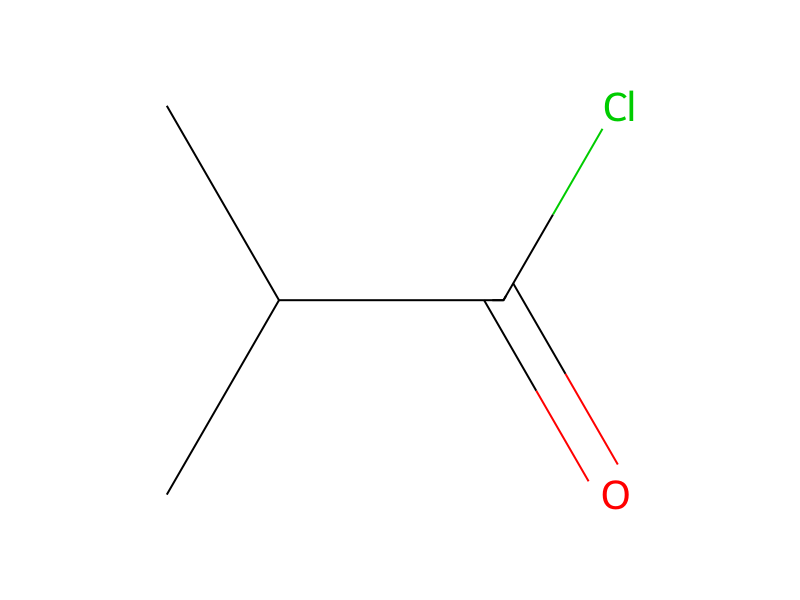
1.2 ml (8.3 mmol) of triethylamine and then 0.8 ml (7.6 mmol) of isobutyryl chloride are added to a solution of 2.0 g (6.9 mmol) of methyl (S)-3-tert-butoxycarbonylamino-2-piperazin-1-ylpropanoate in 20 ml of dichloromethane, cooled beforehand to 0° C. After stirring at ambient temperature for 1 h 30, water is added. The reaction medium is extracted with dichloromethane. The organic phase is washed with water, dried over magnesium sulfate, filtered and concentrated under vacuum. The crude residue obtained is purified by chromatography on silica gel, elution being carried out with a 50/50 heptane/ethyl acetate mixture. 2.0 g (81%) of methyl (S)-3-tert-butoxycarbonylamino-2-(4-isobutyryl-piperazin-1-yl)propanoate are obtained in the form of a colorless oil.