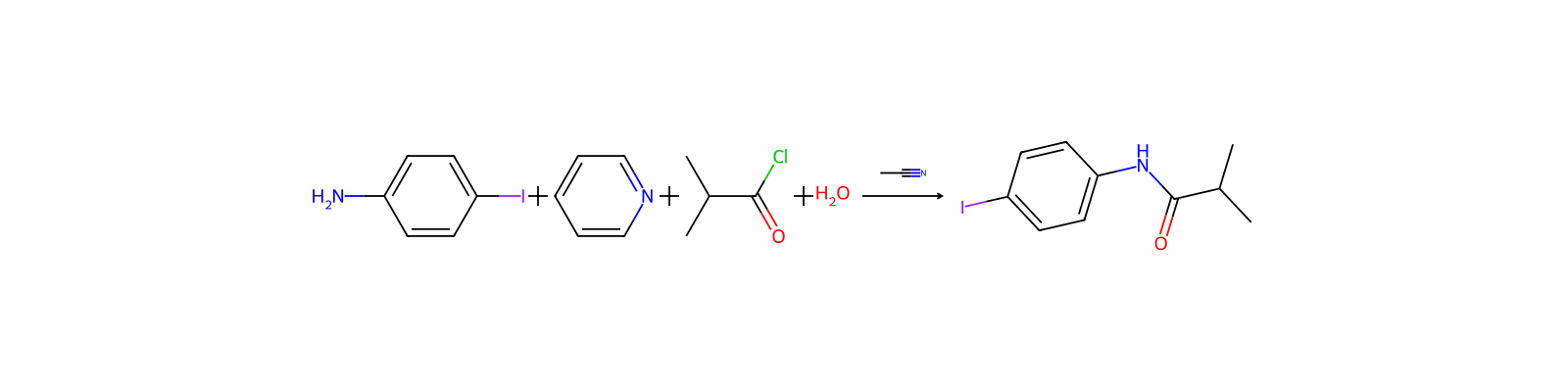
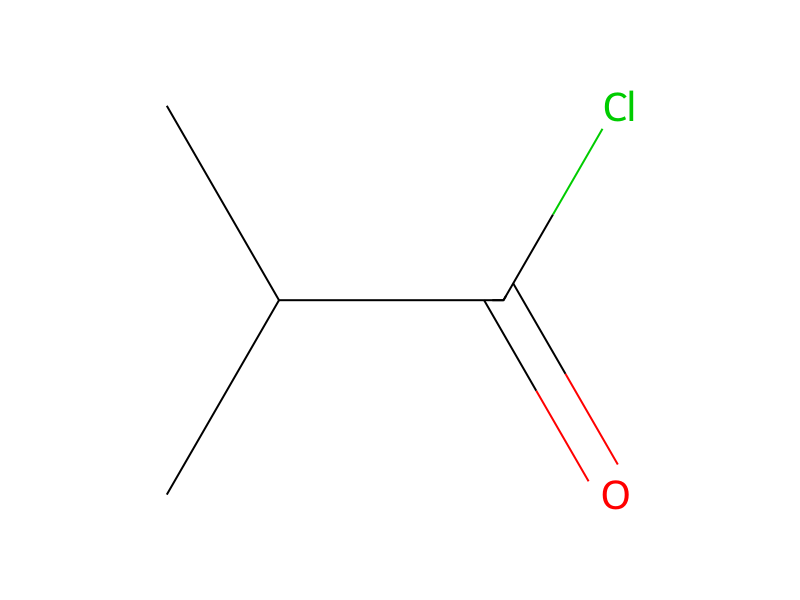
이소부티릴 클로라이드
Isobutyryl chloride
기본 정보
- CAS
79-30-1- 표준 SMILES
CC(C)C(=O)Cl- InChIKey
DGMOBVGABMBZSB-UHFFFAOYSA-N- 분자식
- C4H7ClO
- 평균 분자량
- 106.55 g/mol
- 단동위원소 질량
- 106.0185425
개요
Isobutyryl chloride appears as a colorless liquid. Irritates skin, eyes and mucous membranes. Toxic by ingestion, inhalation and skin absorption. Used to make other chemicals.
이름 및 식별자
- 우선 이름
- Isobutyryl chloride
- IUPAC
- 2-methylpropanoyl chloride
- 현지명
- 이소부티릴 클로라이드
- 영어명
- Isobutyryl chloride
- 분자식
- C4H7ClO
- 분자량
- 106.55
이름 및 동의어
Isobutyryl chloride79-30-12-Methylpropanoyl chlorideIsobutanoyl chloridePROPANOYL CHLORIDE, 2-METHYL-i-butyryl chlorideisopropanecarbonyl chloride2-methylpropanoic acid chlorideDTXSID00525422,2-dimethylacetyl chlorideEINECS 201-194-1UN2395
이름 더 보기
이소부티로일염화물이소부티릴클로라이드아이소-뷰티릴 클로라이드isobutyrylIBCLISOBUTANOYLCHLORIDEIsoburyryl chloride2-METHYLPROPIONYL CHLORIDEISOBUTRYL CHLORIDElsobutyryl chlorideISOBUTYROYL CHLORIDE
6617F0VJZC2-PROPYLCARBONYL CHLORIDE2methylpropionyl chlorideUN 2395UNII-6617F0VJZCDTXCID7031115EC 201-194-12methylpropanoyl chloride
데이터베이스 식별자
- CAS
79-30-1- PubChem CID
- 62325
- DTXSID
DTXSID0052542- UNII
- 6617F0VJZC
- EC Number
- 201-194-1
- Nikkaji
- J3.839C
물성
구조 계산 물성
- XLogP
- 1.8
- 극성 표면적
- 17.1 Ų
- 수소 결합 공여자 수
- 0
- 수소 결합 수용자 수
- 1
- 회전 가능 결합 수
- 1
- 무거운 원자 수
- 6
- 형식 전하
- 0
- 복잡도
- 58.6
실험 및 물리화학적 성질
Chemical Classes
Toxic Gases & Vapors -> Acid Halides
Flammable agents - 3rd degree
SpringerMaterials PropertiesSchoenflies notation
Physical Description
Isobutyryl chloride appears as a colorless liquid. Irritates skin, eyes and mucous membranes. Toxic by ingestion, inhalation and skin absorption. Used to make other chemicals.
Liquid; [Alfa Aesar MSDS]
물리화학적 성질
- 녹는점
- 90 °C · −90 °C
- 끓는 점
- 91 · 91–93 °C (196–199 °F; 364–366 K)
- 밀도
- 1.017 g/mL · 1.017 g/mL
- 증기압
- 0.07 mm · 0.07 mm Hg ( 20 °C)
- 굴절률
- 1.41 · 1.41
- 인화점
- 9 °C · 9 °C
- 저장 조건
- 30 °C · Store below +30°C.
- 용해도
- 클로로포름, 빙초산, 에테르, 톨루엔, 염화메틸렌 및 벤젠과 혼합 가능합니다.
- 물리적 상태
- clear liquid
- 색상
- Colorless to Light yellow
- 냄새
- 고약한 냄새
안전 및 규제
안전 정보는 참고용이며, 공급업체의 물질안전보건자료(SDS), 관련 법규 및 전문가 평가를 대체하지 않습니다.
GHS 분류
GHS Classification
Danger
H225: Highly Flammable liquid and vapor [Danger Flammable liquids]
P210, P233, P240, P241, P242, P243, P260, P264, P280, P301+P330+P331, P302+P361+P354, P303+P361+P353, P304+P340, P305+P354+P338, P316, P321, P363, P370+P378, P403+P235, P405, and P501 (click each P-code to see the statement)
Danger
H225 (100%): Highly Flammable liquid and vapor [Danger Flammable liquids]
P210, P233, P234, P240, P241, P242, P243, P260, P264, P264+P265, P270, P271, P280, P284, P301+P317, P301+P330+P331, P302+P361+P354, P303+P361+P353, P304+P340, P305+P354+P338, P316, P317, P320, P321, P330, P363, P370+P378, P390, P403+P233, P403+P235, P405, P406, and P501 (click each P-code to see the statement)
유해성 정보
Hazards IdentificationWater-reactive material (WR)
Regulatory Information
REACH registered substance: Isobutyryl chloride (EC: 201-194-1)
Isobutyryl chloride: Does not have an individual approval but may be used under an appropriate group standard
The New Jersey Worker and Community Right to Know Act requires public and private employers to provide information about hazardous substances at their workplaces. (N.J.S.A. 34:5A-1 et. seq.)
DOT LabelFlammable Liquid Corrosive
Fire Hazards
Excerpt from ERG Guide 155 [Substances - Toxic and/or Corrosive (Flammable / Water-Sensitive)]:
· HIGHLY FLAMMABLE: Will be easily ignited by heat, sparks or flames.
Health Hazards
Excerpt from ERG Guide 155 [Substances - Toxic and/or Corrosive (Flammable / Water-Sensitive)]:
· TOXIC and/or CORROSIVE; inhalation, ingestion or contact (skin, eyes) with vapors, dusts or substance may cause severe injury, burns or death.
화학 및 산업
용도 및 제조
UsesToxic Gas from Spilling Chemical in Water [Category: Other]
General Manufacturing InformationPropanoyl chloride, 2-methyl-: ACTIVE
응용 분야
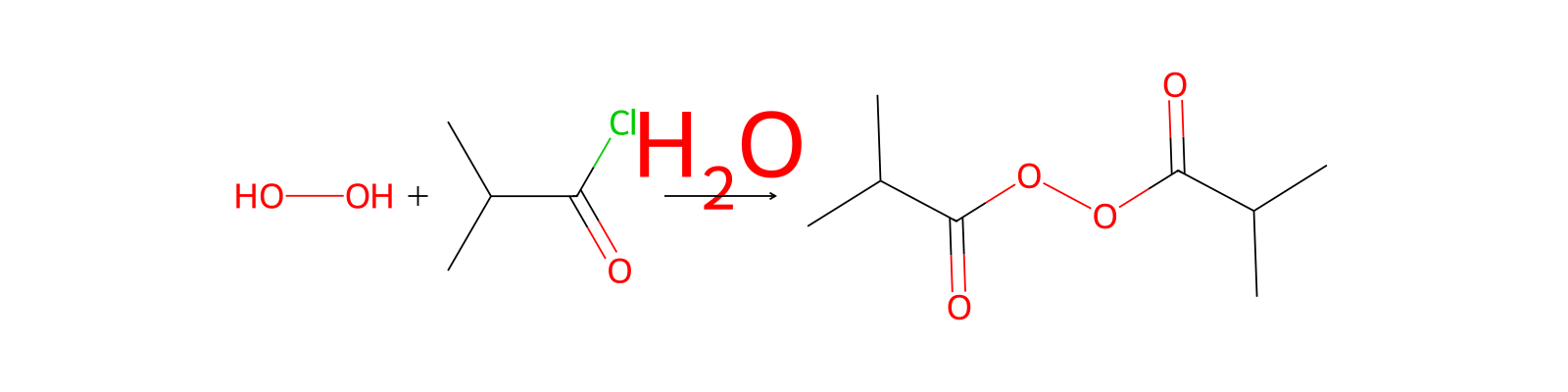
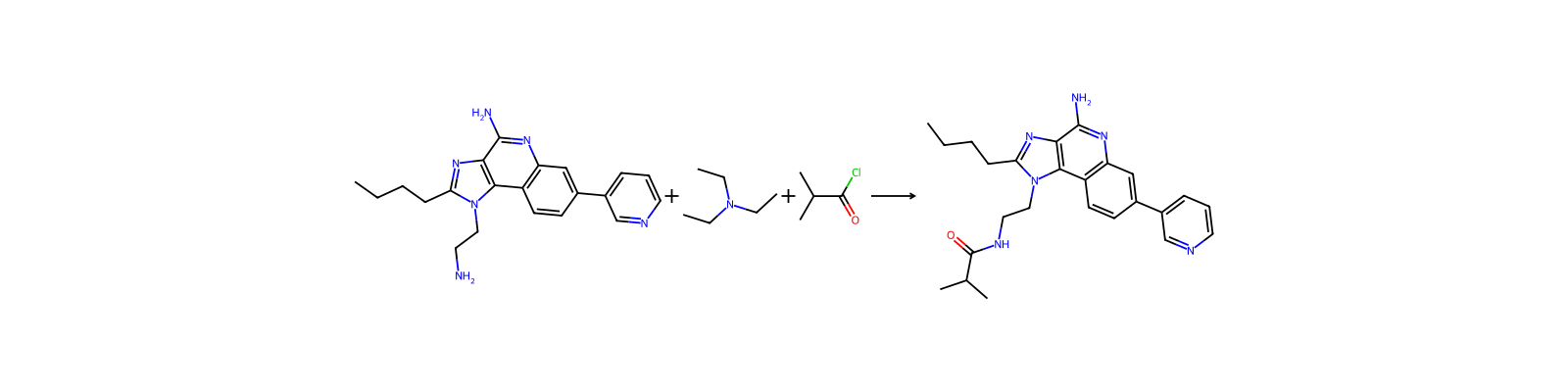
용도Isobutyryl chloride is used in the preparation of fully isobutyramide terminated hyperbranched polyethylenimines. It plays an important role in the separation and identification of shikonin and its ester derivatives in the root epidermis of Echium italicum L. It acts as an acylating agent for the ketimine derivatives of alfa-amino esters, nucleosides and pyrroles. Further, it is used in the preparation of organic peroxides. In addition to this, it is used as an intermediate for dyes, textile auxiliaries and peroxide compounds.
일반 설명A colorless liquid. Flash point near 50°F. Irritates skin, eyes and mucous membranes. Toxic by ingestion, inhalation and skin absorption. Used to make other chemicals.
상·하류 제품 정보
상류 원료
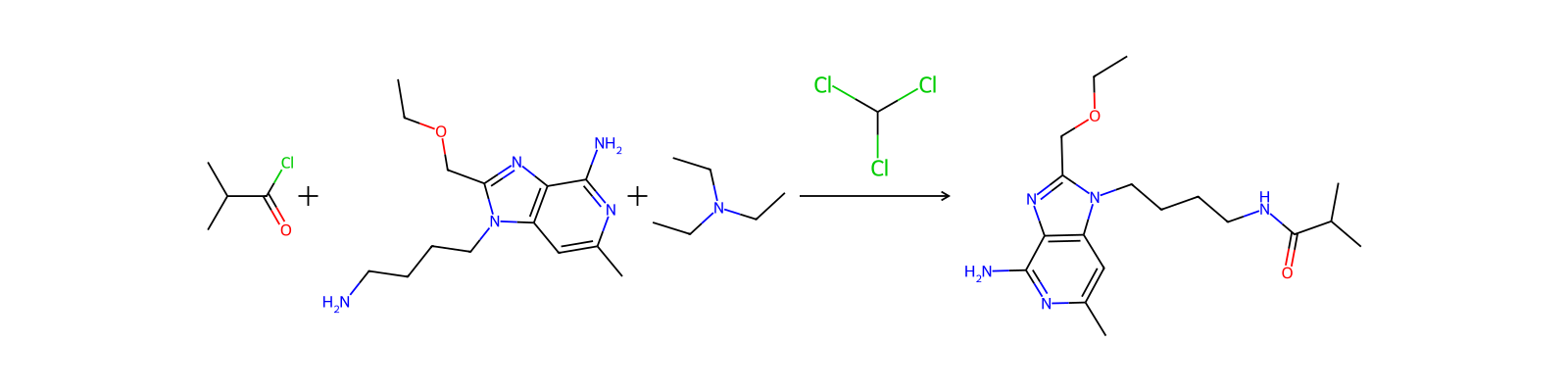
관련 반응
1,193건




화합물 노트
불러오는 중…