Ammonia → Titanium Tetrachloride
HRID 1970746
반응식

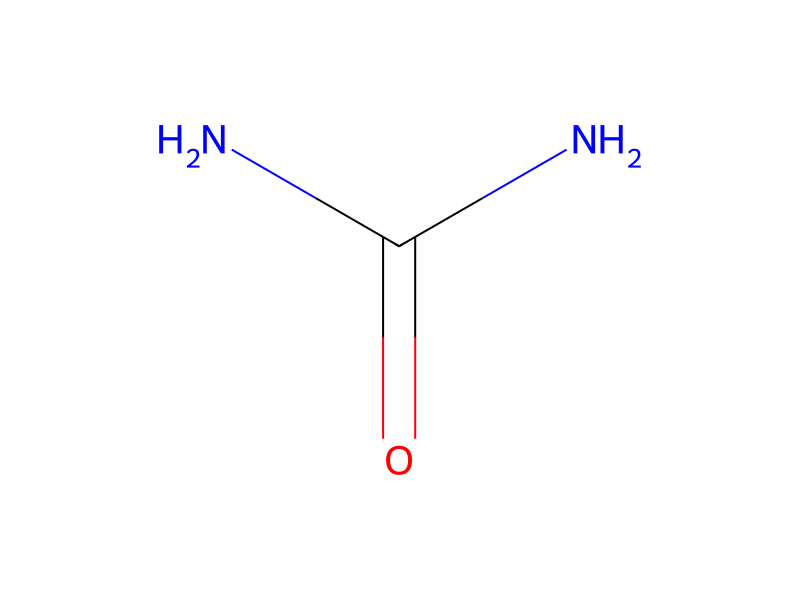
[Ti:1]([Cl:5])([Cl:4])([Cl:3])[Cl:2].NC(N)=[O:8].N>O>[Ti:1]([Cl:5])([Cl:4])([Cl:3])[Cl:2].[OH-:8].[Ti+4:1].[OH-:8].[OH-:8].[OH-:8]참가 물질
6




실험 절차
An aqueous solution of titanium tetrachloride was prepared in the same manner as Example 1. 197 mL of ion-exchanged water was added to the aqueous solution of titanium tetrachloride, and then 283 g of aqueous solution of urea having a concentration of 30% by weight and kept at 80° C. was added over 100 minutes. After the resulting solution was heated and refluxed for 10 hours, an aqueous solution of ammonia having a concentration of 5% by weight was added to the solution so that it had a pH of 10. The solution was washed with water until chlorine was no longer detected, thereby providing a slurry of titanium hydroxide. Then, using the slurry of titanium hydroxide, a slurry of titanium oxide was prepared in the same manner as Example 8 (the first process). The titanium oxide was found to have an average particle diameter of 0.03 μm by electron microscopic measurement.