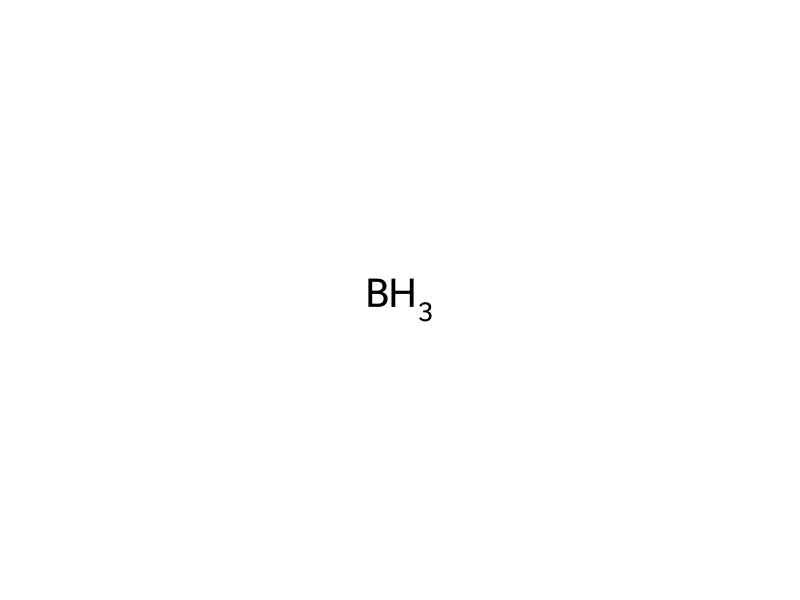
Borane → HCID 20488239, 화합물
반응식

[CH3:1][N:2]([CH3:18])[C:3]([C:5]1[C:10]([C:11]2[CH:16]=[CH:15][CH:14]=[CH:13][CH:12]=2)=[N:9][NH:8][C:7](=[O:17])[CH:6]=1)=O.B.[OH-].[Na+]>O1CCCC1>[CH3:18][N:2]([CH2:3][C:5]1[C:10]([C:11]2[CH:12]=[CH:13][CH:14]=[CH:15][CH:16]=2)=[N:9][NH:8][C:7](=[O:17])[CH:6]=1)[CH3:1]참가 물질




실험 절차
2,3-Dihydro-3-oxo-6-phenyl-5-pyridazinecarboxylic acid is treated with ethyl chloroformate, triethylamine, and dimethylamine according to the procedure of Example 3 to give N,N-dimethyl-2,3-dihydro-3-oxo-6-phenyl-5-pyridazinecarboxamide. A solution of this amide (12.5 g) in 400 ml of tetrahydrofuran is treated with 100 ml of 1 M borane in tetrahydrofuran and the resulting mixture is heated under reflux for 4 hours, then cooled and treated with 5% sodium hydroxide (100 ml) and heated under reflux for 1 hour. The tetrahydrofuran is removed on the rotary evaporator and the pH of the residual liquid is adjusted with acetic acid followed by ammonium hydroxide to 10. The product is extracted into dichloromethane and the dichloromethane is filtered and concentrated on the rotary evaporator. The residue is chromatographed on silica gel with 2% methanol and chloroform to give 5-(dimethylaminomethyl)-6-phenyl-3(2H)-pyridazinone.
후처리
- temperaturethe resulting mixture is heated
- temperatureunder reflux for 4 hours
- temperaturecooled
- temperatureheated
- temperatureunder reflux for 1 hour
- customThe tetrahydrofuran is removed on the rotary evaporator
- extractionThe product is extracted into dichloromethane
- filtrationthe dichloromethane is filtered
- concentrationconcentrated on the rotary evaporator
- customThe residue is chromatographed on silica gel with 2% methanol and chloroform
출처 및 근거
- ORD 기록
- ord-4a088dbc6f2c40879c7548761859377e
- 출처 데이터셋
- uspto-grants-1983_09
- 특허 번호
- US04404203
반응 노트
불러오는 중…