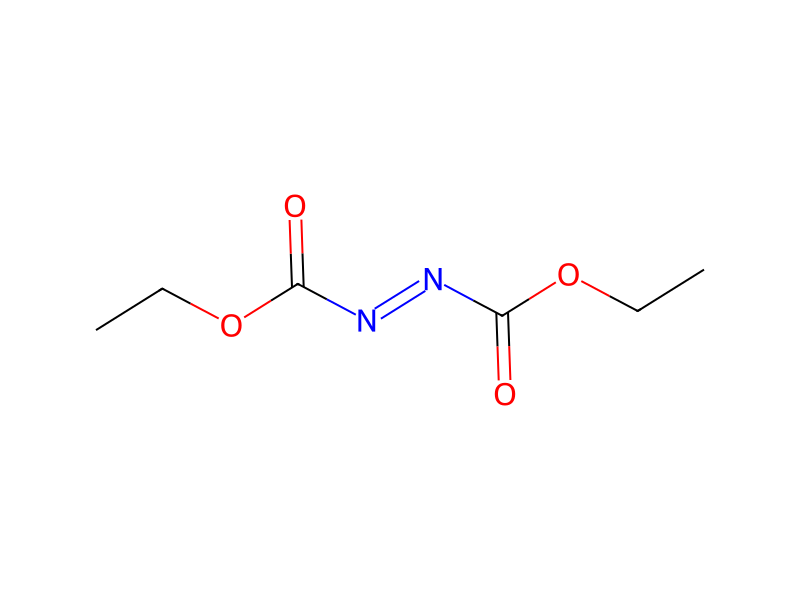
400 ml of dry tetrahydrofuran, 5.00 g of 4-pentin-2-ol, 9.65 g of phthalimide, and 17.13 g of triphenylphosphine were added to a nitrogen-substituted flask. Thereafter, 30 ml of diethyl azodicarboxylate (40% toluene solution) was slowly added dropwise to the obtained solution at a room temperature, and the obtained mixture was then stirred at a room temperature for 1 day. Thereafter, the reaction solution was concentrated, and 300 ml of water was then added to the residue, followed by extraction with 250 ml of ethyl acetate twice. The organic layer was washed with 200 ml of water and then with 200 ml of a saturated brine. The resultant was dried over magnesium sulfate. The magnesium sulfate was filtrated, and the organic layer was then concentrated. The residue was then purified by column chromatography (Wako Gel C-200; toluene), so as to obtain 2.20 g of a phthalimide compound.