반응식

[S:1]([Li])[Li:2].[P:4]12([S:16][P:14]3([S:17][P:7]([S:9][P:10]([S:13]3)([S:12]1)=[S:11])(=[S:8])[S:6]2)=[S:15])=[S:5].[O:18]=[P:19]12[O:30][P:28]3([O:31][P:21]([O:23][P:24]([O:27]3)([O:26]1)=[O:25])(=[O:22])[O:20]2)=[O:29]>>[S-2:1].[Li+:2].[Li+:2].[P:4]12([S:6][P:7]3([S:9][P:10]([S:13][P:14]([S:17]3)([S:16]1)=[S:15])(=[S:11])[S:12]2)=[S:8])=[S:5].[O:22]=[P:21]12[O:20][P:19]3([O:26][P:24]([O:27][P:28]([O:30]3)([O:31]1)=[O:29])(=[O:25])[O:23]2)=[O:18]참가 물질

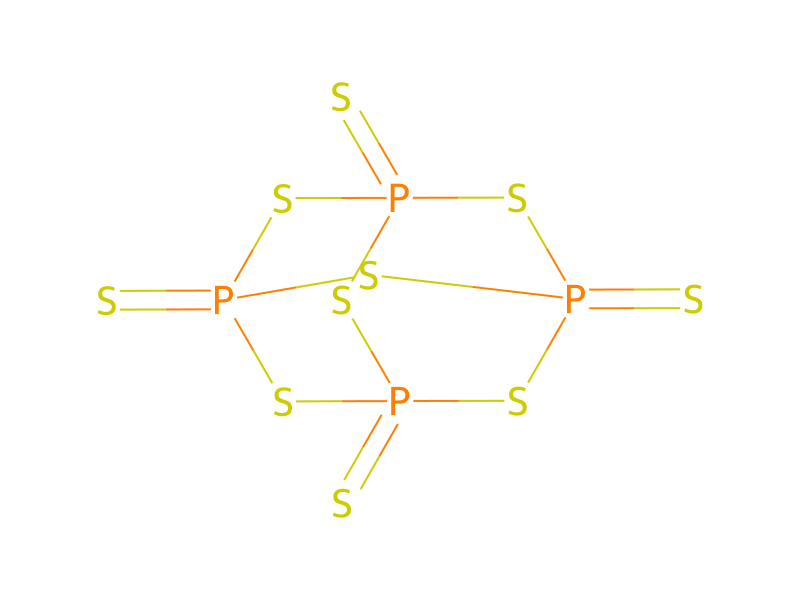


실험 절차
Lithium sulfide crystal (Li2S), phosphorus pentasulfide (P2S5), and diphosphorus pentoxide (P2O5) were prepared as a starting material. These powders were weighed at a ratio of Li2S:P2S5: P2O5=70:26:4 (molar basis) in a glove box under an argon atmosphere, and projected into a pot made of zirconia. In addition, six grinding balls made of zirconia with 4=15 mm were projected into the pot made of zirconia with a capacity of 45 cc, and sealed completely. Next, the pot made of zirconia was fitted up in a planetary ball mill machine and subjected to the mechanical milling at a rotational speed of 370 rpm for 20 hours to obtain powdery sulfide glass. As a result of measuring the obtained sulfide glass by an X-ray diffraction (XRD) method, it was confirmed that the peak of Li2S disappeared and vitrification progressed. Next, the obtained sulfide glass was subjected to burning treatment on the conditions of 280° C. and 1 hour while flowing Ar gas to obtain a sulfide solid electrolyte composed of sulfide glass ceramics.
후처리
- customsealed completely
- customwas fitted up in a planetary ball mill machine
출처 및 근거
- ORD 기록
- ord-413abbc3dc154505a140efdf9a3cf131
- 출처 데이터셋
- uspto-grants-2013_11
- 특허 번호
- US08591603B2
연결된 노트
불러오는 중…