반응식

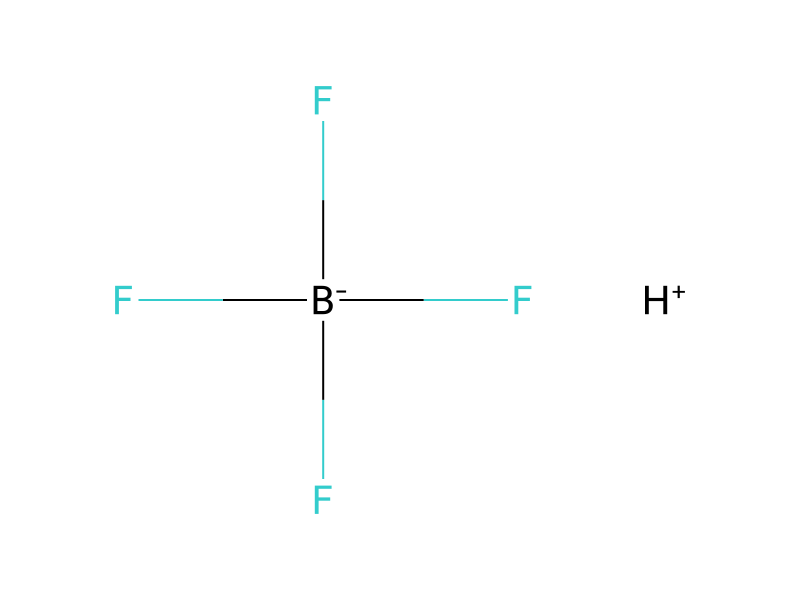
[H+].[B-](F)(F)(F)F.[CH3:7][N:8]1[CH:12]([CH3:13])[CH2:11][CH2:10][C:9]1=[NH:14].[CH3:15][C:16]1[CH:21]=[CH:20][CH:19]=[C:18]([CH3:22])[C:17]=1[N:23]=[C:24]=[O:25]>C1C=CC=CC=1>[CH3:22][C:18]1[CH:19]=[CH:20][CH:21]=[C:16]([CH3:15])[C:17]=1[NH:23][C:24]([N:14]=[C:9]1[CH2:10][CH2:11][CH:12]([CH3:13])[N:8]1[CH3:7])=[O:25]참가 물질
5


실험 절차
The HBF4 salt of 1,5-dimethyl-2-iminopyrrolidine (6.75 g.; 0.0337 mole) is converted to free base in benzene in the usual manner. Then 4.96 g. (0.0337 mole) of 2,6-dimethylphenylisocyanate, dissolved in anhydrous benzene, is added. The reaction mixture is stirred for 2 hours and then the solvent is evaporated in vacuo leaving a oily residue which eventually crystallizes. Recrystallization from ethyl acetate gives the product, 1-(2,6-dimethylphenyl)-3-(1,5-dimethyl-2-pyrrolidylidene)urea, m.p. 120°-122° C.
후처리
- additionis added
- customthe solvent is evaporated in vacuo
- customleaving a oily residue which
- customeventually crystallizes
- customRecrystallization from ethyl acetate
출처 및 근거
- ORD 기록
- ord-abda39b20b4041b48b4701e511709de0
- 출처 데이터셋
- uspto-grants-1977_09
- 특허 번호
- US04046909
연결된 노트
불러오는 중…