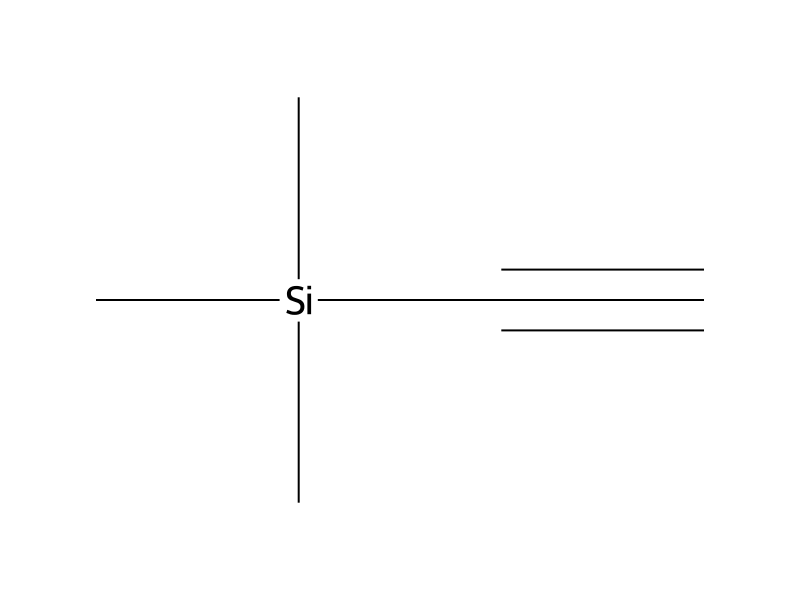
[CH2:1]([O:3][C:4](=[O:13])[NH:5][C:6]1[C:7](Br)=[N:8][CH:9]=[CH:10][CH:11]=1)[CH3:2].C(N(CC)CC)C.[CH3:21][Si:22]([C:25]#[CH:26])([CH3:24])[CH3:23]>Cl[Pd](Cl)([P](C1C=CC=CC=1)(C1C=CC=CC=1)C1C=CC=CC=1)[P](C1C=CC=CC=1)(C1C=CC=CC=1)C1C=CC=CC=1.[Cu]I.O>[CH2:1]([O:3][C:4](=[O:13])[NH:5][C:6]1[C:7]([C:26]#[C:25][Si:22]([CH3:24])([CH3:23])[CH3:21])=[N:8][CH:9]=[CH:10][CH:11]=1)[CH3:2]A mixture of (2-bromo-pyridin-3-yl)carbamic acid ethyl ester described in Preparation Example S-2 (395 mg, 1.6 mmol), dichlorobis(triphenylphosphine)palladium(II) (20 mg, 0.028 mmol), triethylamine (0.25 mL, 1.8 mmol), copper(I)iodide (10 mg, 0.05 mmol) and trimethylsilylacetylene (0.131 mL, 2.4 mmol) was placed in a sealed tube, and heated at 100° C. for 4 hours. After the reaction was completed, the reaction mixture was poured into water, which was then extracted with ethyl acetate. The organic layer was dried over anhydrous magnesium sulfate, then evaporated, the resulting residue was purified by silica gel column chromatography (ethyl acetate:hexane=1:2), and the title compound (0.42 g, 1.6 mmol, quantitatively) was obtained.