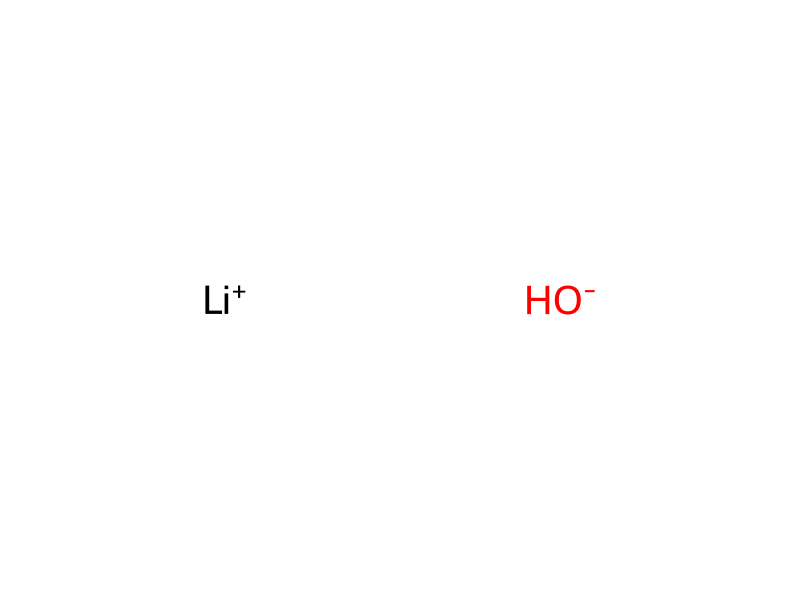
[Li+].[OH-].C([O:5][C:6]([C:8]1[C:9]([CH2:23][CH2:24][CH3:25])=[N:10][C:11]2[C:16]([C:17]=1[CH3:18])=[CH:15][CH:14]=[C:13]([C:19]([F:22])([F:21])[F:20])[CH:12]=2)=[O:7])C>CO.C1COCC1>[CH3:18][C:17]1[C:16]2[C:11](=[CH:12][C:13]([C:19]([F:20])([F:21])[F:22])=[CH:14][CH:15]=2)[N:10]=[C:9]([CH2:23][CH2:24][CH3:25])[C:8]=1[C:6]([OH:7])=[O:5]A 2M aq. LiOH sol. (44 ml) was added to a solution of 4.3 g (13.7 mmol) 4-methyl-2-propyl-7-(trifluoromethyl)quinoline-3-carboxylic acid ethyl ester in a MeOH/THF mixture (in each case 44 ml) and the mixture was subsequently heated to 60° C. for 72 h. The organic solvents were removed as far as possible in a vacuum and the obtained aqueous solution was washed with ether, set at pH 2 with 2M hydrochloric acid and diluted with EtOAc. The organic phase was separated and washed with brine, dried over MgSO4 and concentrated in a vacuum. 3.6 g (12.0 mmol, 88%) 4-methyl-2-propyl-7-(trifluoromethyl)quinoline-3-carboxylic acid was obtained as a residue. The raw product was further converted without additional purification.