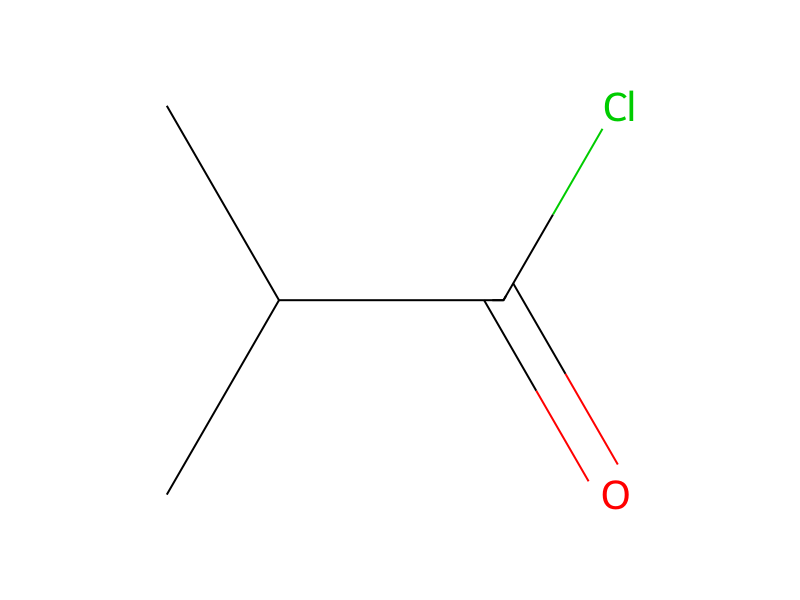
A solution of 3-amino-4-chloroquinoline (8.5 g, 48 mmol) in dichloromethane (100 mL) was cooled to 0° C. Triethylamine (42 mL, 0.30 mol) was added followed by a solution of isobutyryl chloride (9.6 mL, 0.10 mol) in dichloromethane (35 mL), which was added dropwise. The reaction was stirred overnight at room temperature. An analysis by LC/MS indicated the presence of starting material, and the reaction was heated at reflux for two hours. The reaction was still incomplete. The volatiles were removed under reduced pressure, and the residue was dissolved in dichloromethane (75 mL). Additional isobutyryl chloride (9.6 mL, 0.10 mol) was added, the reaction was stirred for three days at room temperature. The reaction was still incomplete, and additional isobutyryl chloride (3 mL) was added. The reaction was stirred overnight, diluted with methanol (10 mL), stirred for 30 minutes, and concentrated under reduced pressure. The residue was dissolved in dichloromethane (150 mL), and the solution was washed with saturated aqueous sodium bicarbonate (3×50 mL), dried over potassium carbonate, filtered, and concentrated under reduced pressure to provide 9.6 g of N-(4-chloroquinolin-3-yl)-2-methylpropanamide as a brown solid.